By Interestana AI Editorial — AI-drafted, human-overseen. How we report
The Republican Party's Shifting Allegiances: A Growing Exodus from Trump's Influence
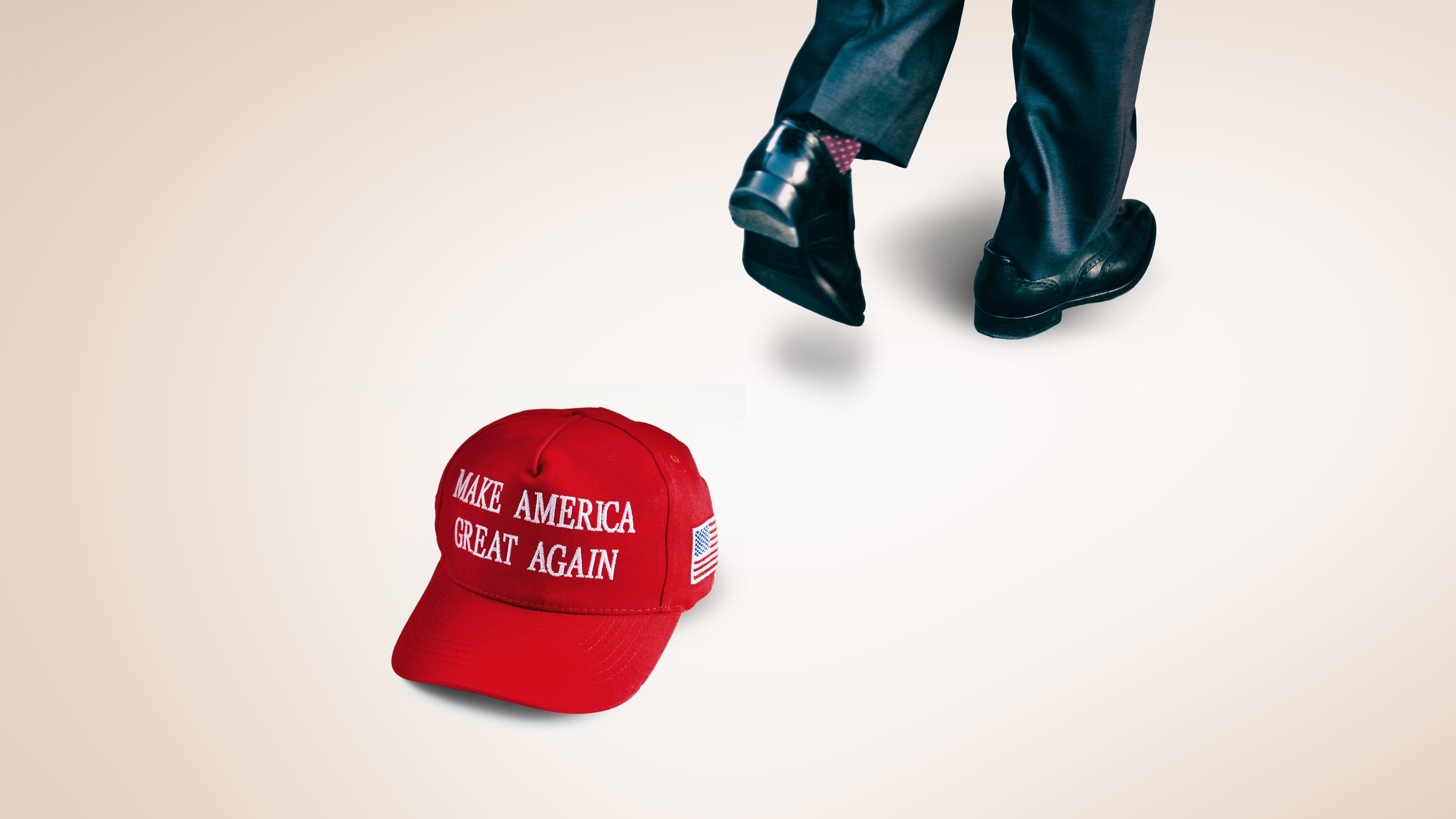
A notable and evolving trend is emerging within the Republican Party, characterized by a segment of its elected officials beginning to publicly withdraw their unwavering support for former President Donald Trump. This departure from the intense personal loyalty Trump historically demanded and often received marks a significant development, particularly given his consistent emphasis on allegiance from his party members throughout his political career. The trend suggests a potential re-evaluation of Trump's continued influence and the future direction of the Republican platform among a growing number of influential figures within the party.
This burgeoning dissent is not attributable to a single, isolated event but rather a confluence of factors that have collectively led individual Republican figures to reassess their political alignment and public stance. While the specific, nuanced reasons for each politician's decision to distance themselves may vary, the overarching theme indicates a growing discomfort with Trump's continued dominance, his often controversial rhetoric, and the potential electoral consequences of his continued leadership. This evolving landscape within the party raises critical questions about its internal unity, its ability to coalesce around a singular leader or a cohesive set of principles moving forward, and its capacity to present a united front in upcoming electoral cycles.
The implications of this developing Republican exodus are multifaceted and potentially far-reaching. It could lead to a more fractured party, with different ideological factions and personalities vying for influence, potentially impacting electoral strategies and the party's overall messaging in upcoming elections. Furthermore, this shift may signal an opportune moment for new leadership to emerge within the Republican ranks, individuals who might be capable of attracting a broader base of support beyond Trump's core constituency. The long-term consequences for the party's identity, its policy agenda, and its electoral prospects remain to be seen as these political realignments continue to unfold and solidify.
Historically, Donald Trump, a businessman and television personality before entering politics, cultivated an exceptionally strong and dedicated base of support within the Republican Party. This support was often characterized by intense personal loyalty, with his endorsements being highly sought after by aspiring candidates and his pronouncements frequently dictating party messaging and strategic direction. However, this recent trend of Republicans publicly distancing themselves suggests that the dynamics of this once seemingly unshakeable relationship are undergoing a significant transformation. The extent to which this withdrawal of support will impact Trump's ongoing political future, his influence over primary elections, and the Republican Party's overall trajectory is a key development to monitor closely in the coming months and years.
Original source — read the full reporting at the publisher:
Read on The AtlanticGet the weekly AI digest
AI news + new model releases, weekly. Drafted by our agents, reviewed by humans.