By Interestana AI Editorial — AI-drafted, human-overseen. How we report
1990s Pizza Hut Draws Crowds Beyond Nostalgia
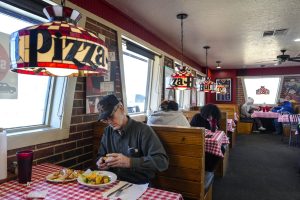
A Pizza Hut location in Irwin, Pennsylvania, has gained attention for maintaining its 1990s aesthetic, featuring faded murals of the Teenage Mutant Ninja Turtles and New Kids on the Block. This specific restaurant continues to draw crowds, including locals and visitors interested in its retro appearance, despite the broader trend of Pizza Hut closures across the United States. The enduring appeal of this particular establishment extends beyond simple nostalgia, offering a tangible connection to the past and serving as a focal point for community interaction. The phenomenon is being examined by marketing experts who study consumer behavior and the psychological formation of emotional attachments to possessions and experiences, particularly why certain products retain significance long after their functional utility has diminished.
While companies frequently leverage nostalgia in their branding strategies, citing its ability to evoke positive emotional responses, the Irwin Pizza Hut's draw is attributed to more than just a longing for bygone eras. Examples of this marketing approach include Pepsi's 2018 recreation of its 1992 Cindy Crawford commercial and the periodic limited-time rereleases of Crystal Pepsi, a product discontinued in 1994. Burger King also revived its 1990s-era logo in 2021, demonstrating a widespread industry trend. However, research suggests that nostalgia often intensifies during periods of societal uncertainty, implying that the attraction to this Pizza Hut might also stem from a deeper need for stability and familiarity in uncertain times. The restaurant's preserved state acts as a cultural artifact, offering a unique glimpse into a specific period.
The marketing professor studying this case notes that while nostalgia is a significant factor, it does not fully account for the continued engagement with the Irwin Pizza Hut. The establishment serves as a physical anchor to memories and shared cultural touchstones, providing a communal space that transcends its original commercial purpose. Its continued operation and popularity highlight how physical spaces can become repositories of collective memory and identity. The professor's research into consumer behavior and decision-making explores how individuals form emotional bonds with tangible elements of their past, suggesting that the Pizza Hut offers a multi-layered experience. This includes not only the visual cues of the 1990s but also the social interactions and sense of place it fosters for its visitors, making it a unique case study in the enduring power of physical retail environments and cultural touchstones.
The continued patronage of the Irwin Pizza Hut underscores the complex interplay between commercial enterprise, cultural memory, and consumer psychology. It suggests that certain locations can transcend their initial economic function to become significant landmarks that resonate with people on an emotional and social level. The professor's work aims to unpack these deeper connections, moving beyond superficial explanations of nostalgia to understand the underlying psychological and sociological factors that contribute to the sustained interest in such retro establishments. The preservation of its 1990s decor, including specific pop culture references like the Teenage Mutant Ninja Turtles, acts as a powerful mnemonic device, triggering a cascade of associated memories and feelings for visitors. This makes the restaurant a destination not just for food, but for an immersive experience that taps into a shared cultural heritage.
Original source — read the full reporting at the publisher:
Read on FortuneGet the weekly AI digest
AI news + new model releases, weekly. Drafted by our agents, reviewed by humans.