By Interestana AI Editorial — AI-drafted, human-overseen. How we report
The Real Appeal of the Internet’s Favorite Terrible Movie
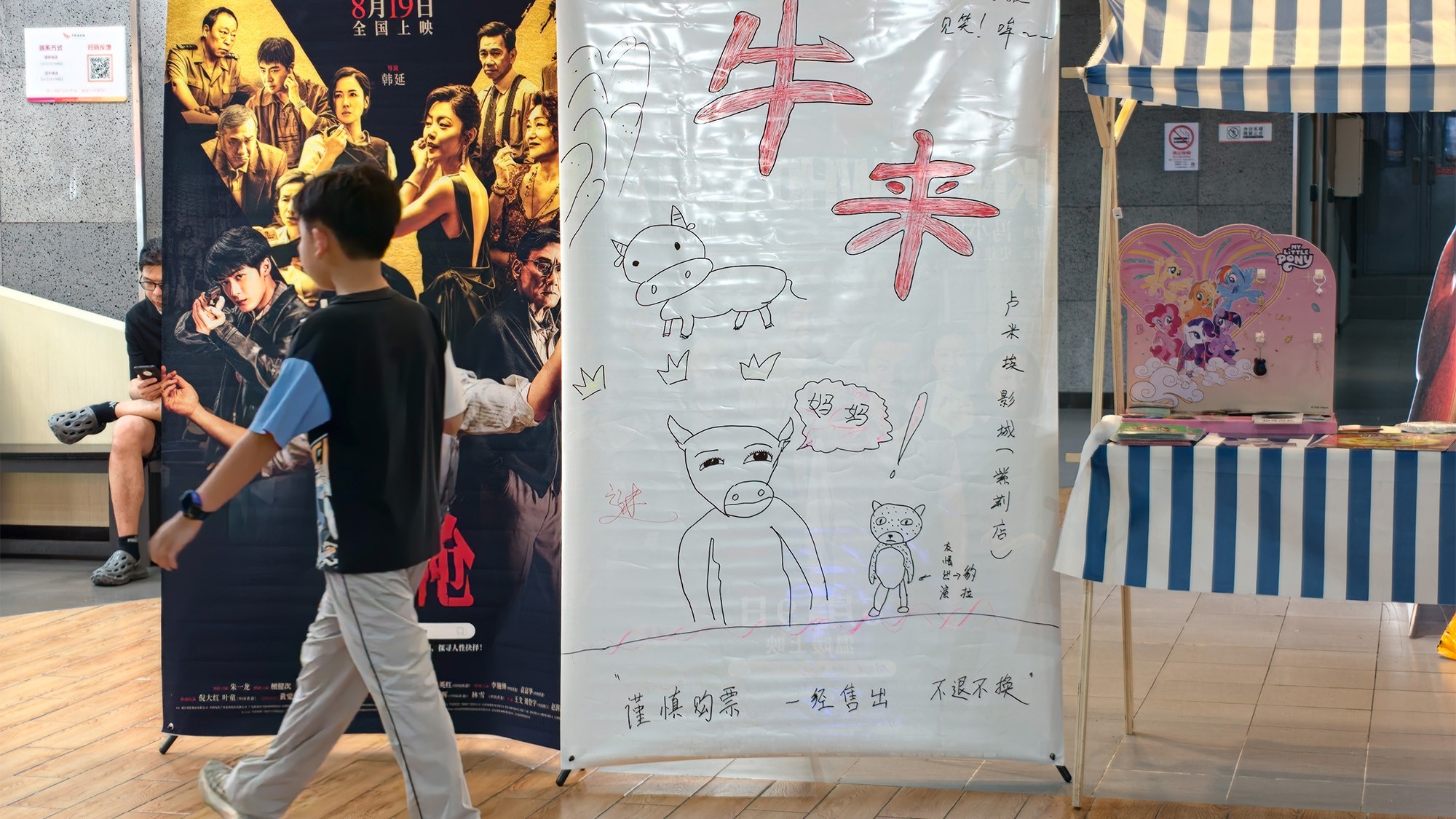
A film, widely described as "terrible" by some critics and viewers, is experiencing a significant surge in popularity and attendance among Chinese audiences. This phenomenon is not merely about a film's objective quality but rather taps into a growing cultural appreciation for "so bad it's good" art. This trend celebrates films where intentional or unintentional artistic deficiencies, such as poor acting, illogical plotlines, or low production values, are not seen as detriments but as sources of unique entertainment and fodder for critical discussion. The film's success suggests a discernible shift in audience preferences, moving beyond traditional metrics of cinematic excellence to find value and enjoyment in unconventional, and even amateurish, productions.
This evolving appreciation is particularly amplified through online engagement. Social media platforms across China are currently abuzz with vibrant discussions, the creation of viral memes, and the compilation of video clips that humorously highlight and celebrate the movie's perceived shortcomings. Viewers are actively participating in the film's narrative and reception, transforming its perceived weaknesses into a shared, collective cultural experience. This participatory culture surrounding "bad" art is a powerful testament to the evolving, dynamic relationship between content creators and their audiences in the digital age. In this environment, the traditional boundaries between passive consumption, active critique, and creative reinterpretation are increasingly blurred, allowing for new forms of appreciation to emerge.
The multifaceted appeal of such films can be attributed to several factors. For a segment of the audience, it offers a potent form of escapism and humor, providing a lighthearted and often cathartic antidote to the more serious, formulaic, or predictable offerings that dominate mainstream cinema. For others, it represents a more authentic, raw, or relatable form of artistic expression, perceived as being free from the pretentiousness or commercial pressures often associated with high-budget, mainstream productions. The film's remarkable success also points to a broader cultural phenomenon where imperfections and flaws are increasingly celebrated, mirroring a growing societal acceptance of authenticity, vulnerability, and the beauty found in the imperfect across various aspects of life, not just in film.
While the embrace of "terrible" art is not an entirely novel concept, with historical precedents like cult classics and "midnight movies" demonstrating a similar appeal, the sheer scale and fervent enthusiasm with which this particular film is being received in China indicate a more widespread and deeply ingrained appreciation for this niche. This trend challenges traditional gatekeepers of taste and critical judgment, opening up new avenues for artistic expression and innovative audience engagement. It powerfully demonstrates that artistic merit and profound cultural value can be discovered in the most unexpected places, and that the collective reception and reinterpretation by an audience can fundamentally redefine a film's ultimate worth and impact.
Original source — read the full reporting at the publisher:
Read on The AtlanticGet the weekly AI digest
AI news + new model releases, weekly. Drafted by our agents, reviewed by humans.