By Interestana AI Editorial — AI-drafted, human-overseen. How we report
RBA Likely Believes No More Rate Hikes Needed
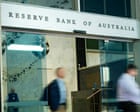
The Reserve Bank of Australia (RBA) likely holds the internal belief that it will not need to implement further interest rate hikes. However, a significant concern is that any public declaration of this conviction could prove detrimental to the bank's credibility and the broader economic landscape. This situation draws a parallel to parental threats made to children, where the parent hopes the threat alone will suffice without necessitating actual enforcement. Some parents, in fact, make threats they have no intention of carrying out, a tactic that carries risks.
For the RBA, prematurely signaling an end to rate hikes could have several negative consequences. Firstly, it might embolden consumers and businesses to increase spending and investment, potentially reigniting inflationary pressures that the RBA has been working to curb. If inflation does re-emerge, the RBA would then be forced to hike rates, a move that would be far more damaging to its credibility than if it had maintained a more ambiguous stance. This would create a perception of inconsistency and a lack of control over monetary policy.
Secondly, a public statement of no further hikes could also impact financial markets. Investors might adjust their expectations, leading to shifts in asset prices and borrowing costs. If the economic data later necessitates a rate increase, the market reaction could be more severe due to the prior expectation of stability. The RBA's communication strategy is crucial in managing these expectations and ensuring that its policy actions are understood and respected. Maintaining a degree of uncertainty, while potentially frustrating for some, can provide the flexibility needed to respond effectively to evolving economic conditions.
The RBA's mandate includes maintaining price stability and supporting full employment. Its decisions on interest rates are guided by a range of economic indicators, including inflation rates, employment figures, and global economic trends. The current economic environment is complex, with global supply chain issues, geopolitical tensions, and domestic economic factors all contributing to uncertainty. In such a climate, a definitive statement about future monetary policy could be premature and counterproductive. The bank must retain the ability to adapt its strategy based on incoming data, and this often requires a communication approach that avoids locking it into a specific path.
Therefore, while the RBA may privately assess that further rate hikes are unlikely, the most prudent course of action is to refrain from making such pronouncements publicly. This allows the bank to retain its flexibility, manage market expectations effectively, and uphold its credibility as an independent monetary policy authority. The focus should remain on data-driven decision-making and clear communication about the RBA's assessment of economic risks and its policy objectives, rather than signaling specific future actions that could prove difficult to reverse.
Original source — read the full reporting at the publisher:
Read on The Guardian WorldGet the weekly AI digest
AI news + new model releases, weekly. Drafted by our agents, reviewed by humans.