By Interestana AI Editorial — AI-drafted, human-overseen. How we report
The Rapture review: This apocalyptic drama couldn’t be here at a better time
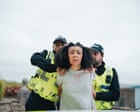
The recent television adaptation of Liz Jensen's 2010 novel, "The Rapture," has premiered, striking a chord with audiences due to its uncanny resonance with the contemporary United Kingdom's socio-political and environmental landscape. Jensen's original work, published sixteen years prior, envisioned a near-future Britain grappling with escalating temperatures that rendered the climate "unbearable," alongside the burgeoning influence of "culty-Christian groups with apocalyptic bents." The novel depicted a society teetering on the brink, where a pervasive sense of global madness was taking hold. The current adaptation, arriving on screen in a period marked by record-breaking heatwaves and heightened societal anxieties, amplifies these themes, presenting a narrative that is described as "horrifyingly apt" for today's viewers.
The series, characterized as a "study in physical and mental discomfort," serves as a potent companion piece to the current, fear-inducing heatwave gripping the UK. Its power is significantly amplified by a "growing collective awareness that the future is finally here." This sentiment suggests that the fictionalized scenarios of environmental distress and societal fragmentation, once confined to the realm of speculative fiction, are now perceived as present realities. The adaptation effectively translates Jensen's 2010 vision to the screen, reflecting a Britain where the threat has evolved. While the novel focused on religious extremism, the adaptation shifts the focus to "political extremists bent on embracing the apocalypse rather than trying to save us from it." This evolution from specific religious cults to broader political extremism underscores the changing nature of societal fears and the perceived threats to stability and collective well-being.
The thematic timeliness of "The Rapture" adaptation is undeniable. Its exploration of an "unbearable heatwave" and the surge of "extremism" directly mirrors pressing global concerns surrounding climate change and the increasing polarization of political discourse. The review posits that viewers will find the drama particularly impactful precisely because of these contemporary parallels, making the fictionalized apocalypse feel less like a distant narrative and more like an immediate, visceral reflection of lived experience. The adaptation's profound impact, therefore, stems not only from its artistic execution but also from its remarkable ability to mirror the anxieties and challenges that define the present day, positioning it as a timely and relevant piece of television.
Original source — read the full reporting at the publisher:
Read on The Guardian CultureGet the weekly AI digest
AI news + new model releases, weekly. Drafted by our agents, reviewed by humans.