By Interestana AI Editorial — AI-drafted, human-overseen. How we report
Trump's Policies Harmed Qatar After Receiving Gifts
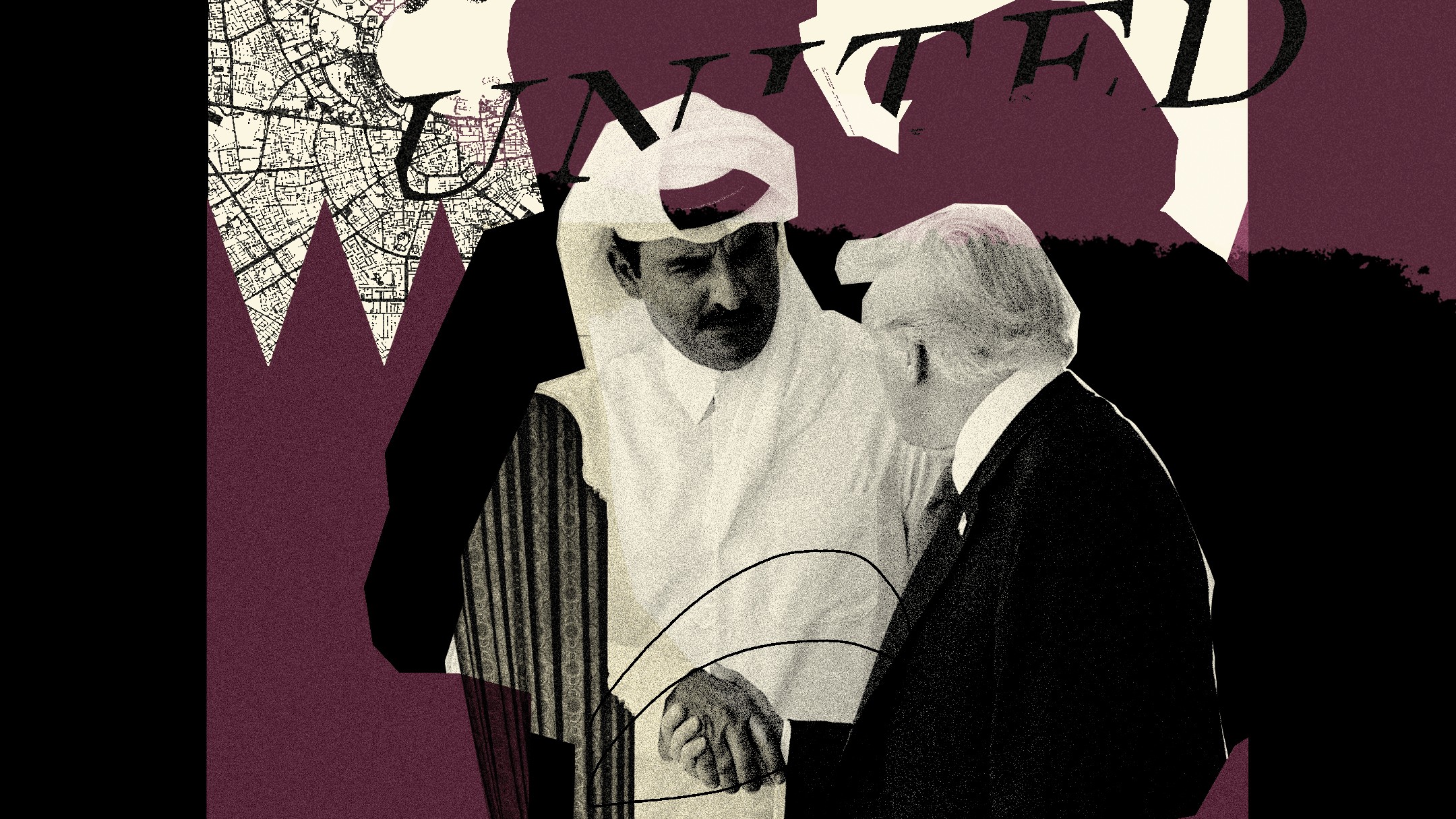
Former U.S. President Donald Trump's administration enacted policies that significantly harmed Qatar's economy and geopolitical standing, despite the nation having provided substantial gifts to Trump, including a Boeing 757 airplane. This situation highlights a perceived transactional nature in Trump's foreign policy, where personal benefits may have influenced official decisions. The article details how Qatar, a small but strategically important Gulf state, found itself on the receiving end of punitive measures from the U.S. president it had previously courted with significant gestures of goodwill. The Boeing 757, a private jet, was reportedly gifted to Trump by Qatar's then-emir, Sheikh Hamad bin Khalifa Al Thani, prior to Trump's presidency, but its significance is framed within the context of subsequent diplomatic and economic interactions.
Following Trump's inauguration in January 2017, a severe diplomatic crisis erupted in the Gulf, initiated by Saudi Arabia, the UAE, Bahrain, and Egypt. These nations imposed a blockade on Qatar, severing diplomatic ties and imposing a land, sea, and air embargo. The stated reasons for the blockade included Qatar's alleged support for terrorism and its close ties with Iran. However, many analysts and Qatari officials viewed the blockade as an attempt to exert leverage and force Qatar into greater alignment with the policies of Saudi Arabia and the UAE, potentially at the behest of the Trump administration. Trump himself initially appeared to support the blockade, tweeting on June 6, 2017, that Qatar "has historically been a funder of terrorism at a very high level." This statement was seen as a significant endorsement of the blockade, further isolating Qatar.
The economic consequences for Qatar were immediate and severe. The blockade disrupted trade routes, forced the closure of Qatar Airways' airspace to blockading nations, and led to significant uncertainty in the financial markets. Qatar, which relies heavily on imports for food, water, and other essential goods, had to rapidly reconfigure its supply chains, establishing new trade partners and routes, notably through Turkey and Iran. The country's sovereign wealth fund and its national airline, Qatar Airways, also faced considerable financial strain. Despite these challenges, Qatar demonstrated resilience, leveraging its vast natural gas reserves and its strategic location to mitigate the worst effects of the blockade. The nation also invested heavily in infrastructure and diversified its economy in the years that followed.
The article suggests that Trump's actions and statements during the Gulf crisis were not solely driven by U.S. foreign policy objectives but may have been influenced by his personal relationships and transactional approach to diplomacy. The gifts received by Trump, including the airplane, are presented as evidence of Qatar's efforts to cultivate favor with him. The subsequent implementation of policies that harmed Qatar, despite these gestures, raises questions about the reliability of diplomatic assurances and the nature of U.S. foreign policy under his leadership. The situation underscores the vulnerability of smaller nations in navigating the complex geopolitical landscape, particularly when dealing with a U.S. administration perceived as prioritizing personal or transactional gains over established diplomatic norms and alliances. The long-term implications of these events continue to shape regional dynamics in the Middle East.
Original source — read the full reporting at the publisher:
Read on The AtlanticGet the weekly AI digest
AI news + new model releases, weekly. Drafted by our agents, reviewed by humans.