By Interestana AI Editorial — AI-drafted, human-overseen. How we report
Trump's Taxpayer-Funded Ads Violate Law's Intent
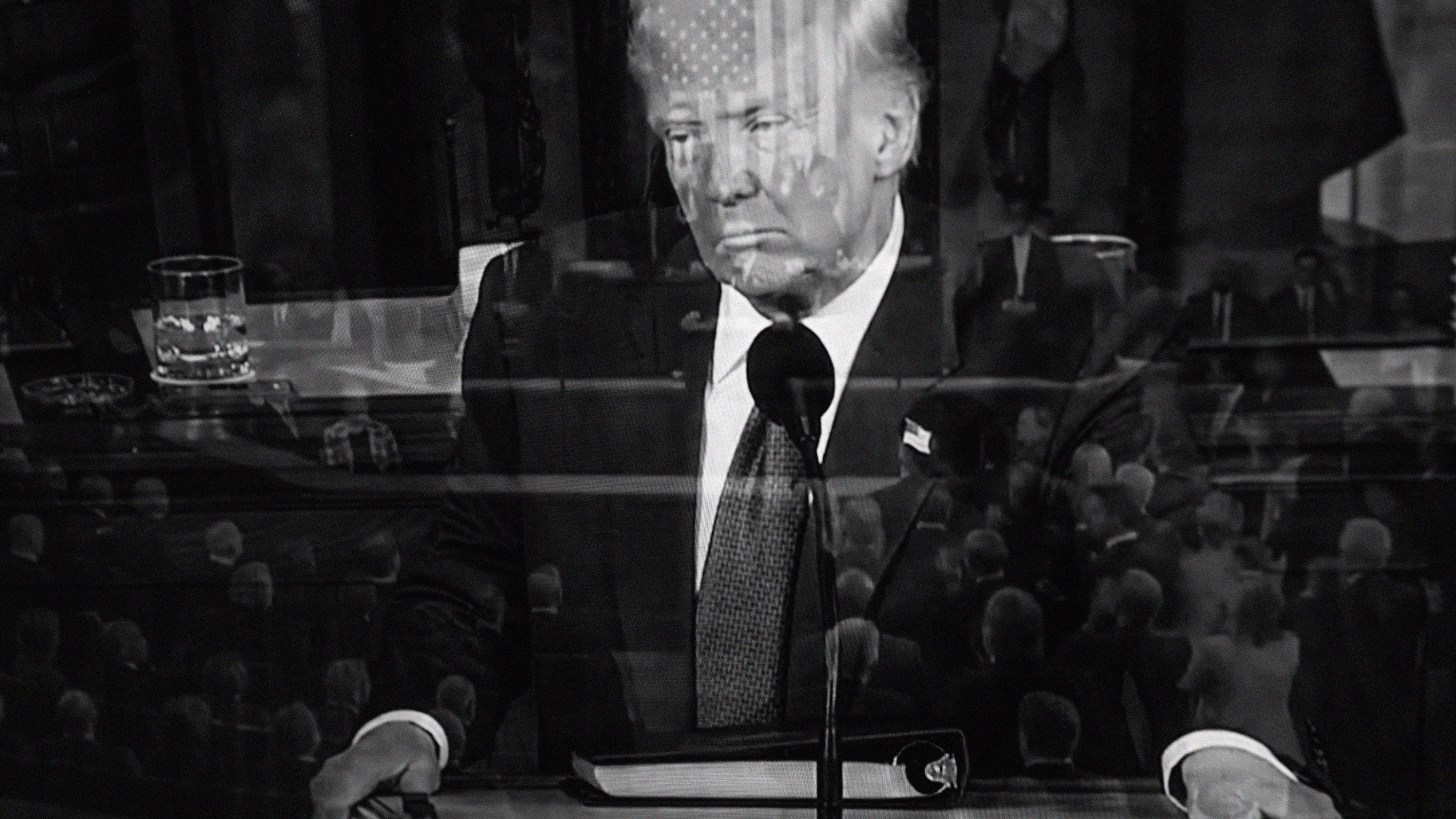
Former President Donald Trump's recent taxpayer-funded advertisements are facing scrutiny for allegedly violating the intent of a law designed to prohibit the use of federal funds for political campaigning. The advertisements, which feature Trump discussing his administration's achievements, are being distributed through digital platforms and social media, raising concerns among ethics watchdogs and former government officials. These ads are funded by the General Services Administration (GSA), an independent agency of the U.S. federal government responsible for managing federal property and procurement. The law in question, often referred to as the Hatch Act or similar provisions related to the use of appropriated funds, generally prohibits executive branch employees from engaging in political activity while on duty or using government resources for campaign purposes. While the ads do not explicitly ask for votes or endorsements, critics argue that their content and distribution strategy are clearly aimed at bolstering Trump's political image and promoting his potential future candidacy, thereby circumventing the spirit of the law. The specific legal interpretation hinges on whether the ads constitute "political activity" or "campaigning" as defined by relevant statutes and regulations. The GSA has stated that the ads are part of a broader public relations effort to inform citizens about the accomplishments of the previous administration, a justification that critics find disingenuous. The issue is further complicated by the fact that Trump is no longer in office, but the funding for these ads originates from federal appropriations managed by the GSA. This situation highlights a potential loophole where taxpayer money can be used to promote a former president's political brand, even if not directly for an active campaign. Legal experts are divided on the enforceability of stopping these ads, as the line between informing the public and campaigning can be blurry and subject to interpretation. Challenges to such advertisements typically involve lengthy administrative or legal processes, making it difficult to halt their dissemination quickly. The controversy underscores a broader debate about the ethical use of government resources and the boundaries of political speech funded by public money. The Office of Government Ethics (OGE) and potentially congressional oversight committees could investigate the matter, but definitive action to cease the ad campaign may require a court order or a change in GSA policy. The distribution of these ads on platforms like Facebook and YouTube means they can reach a wide audience, amplifying their potential political impact. The cost of these campaigns, while not yet fully disclosed, is borne by taxpayers, adding another layer of concern for those who believe federal funds should be used strictly for non-political government functions. The debate is likely to continue as the 2024 election cycle approaches, with implications for how former presidents and current candidates utilize public resources for their political messaging.
Original source — read the full reporting at the publisher:
Read on The AtlanticGet the weekly AI digest
AI news + new model releases, weekly. Drafted by our agents, reviewed by humans.