By Interestana AI Editorial — AI-drafted, human-overseen. How we report
Child-Led Potty Training Methods Face Criticism
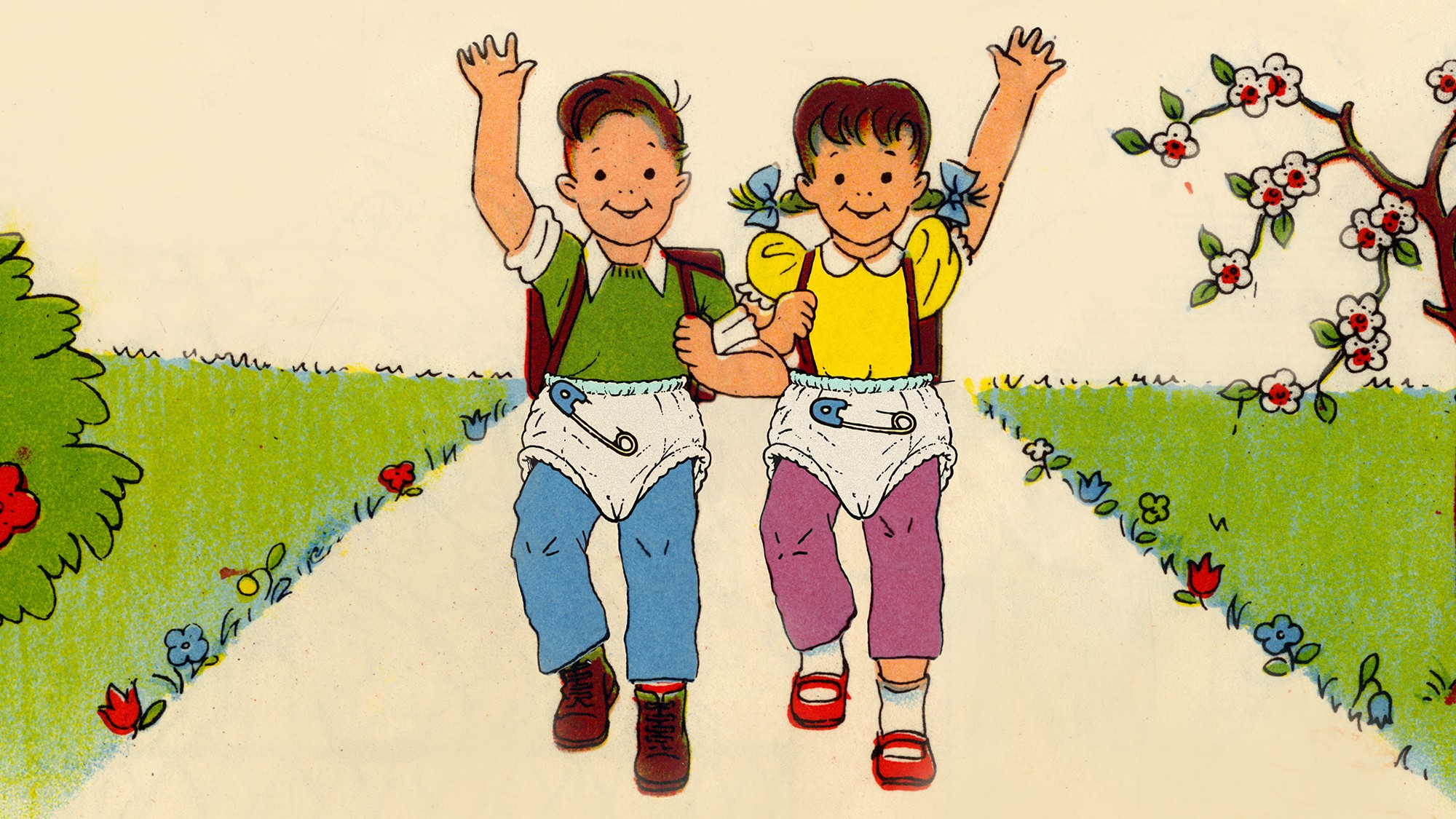
A growing number of American parents are adopting a child-led approach to potty training, a method that emphasizes waiting for the child to exhibit readiness cues before initiating toilet training. This philosophy, often contrasted with more structured "parent-led" methods, suggests that children will naturally signal when they are prepared to learn to use the toilet. However, this approach is increasingly facing scrutiny from pediatricians and child development experts who argue that it can lead to prolonged training periods, extended periods of diaper use, and increased parental frustration.
The core tenet of child-led potty training is to avoid pressuring the child, thereby fostering a positive and stress-free learning environment. Proponents believe that forcing a child before they are ready can create resistance and anxiety, potentially delaying the process further. They advocate for observing a child's developmental milestones, such as showing interest in the toilet, staying dry for longer periods, and communicating their needs, as indicators of readiness. This often involves keeping a "potty chart" or simply having the child wear underwear during waking hours to increase awareness of their bodily functions.
Critics, however, point to anecdotal evidence and clinical observations suggesting that "readiness" can be a subjective and elusive concept. They argue that while a child's comfort is paramount, completely deferring to their perceived readiness can result in training that extends well beyond the typical age range, sometimes into the preschool years. This extended period can lead to practical challenges for parents, including increased laundry, potential social stigma, and the emotional toll of a seemingly unending training process. Some experts suggest that a balanced approach, incorporating gentle guidance and consistent routines alongside observation of the child's cues, may be more effective.
Furthermore, the debate touches upon differing philosophies of child-rearing and the role of parental guidance in developmental milestones. While some parents embrace the "go with the flow" mentality, others prefer a more proactive stance, believing that structured encouragement can expedite the process without causing undue stress. The American Academy of Pediatrics, for instance, generally recommends starting potty training between 18 and 30 months, but acknowledges that individual readiness varies significantly. The prolonged timelines associated with some child-led methods raise questions about their long-term benefits versus the immediate practical and emotional costs for families.
Original source — read the full reporting at the publisher:
Read on The AtlanticGet the weekly AI digest
AI news + new model releases, weekly. Drafted by our agents, reviewed by humans.