By Interestana AI Editorial — AI-drafted, human-overseen. How we report
Food Prices Surge Globally, Wall Street Cites Inflation Concerns
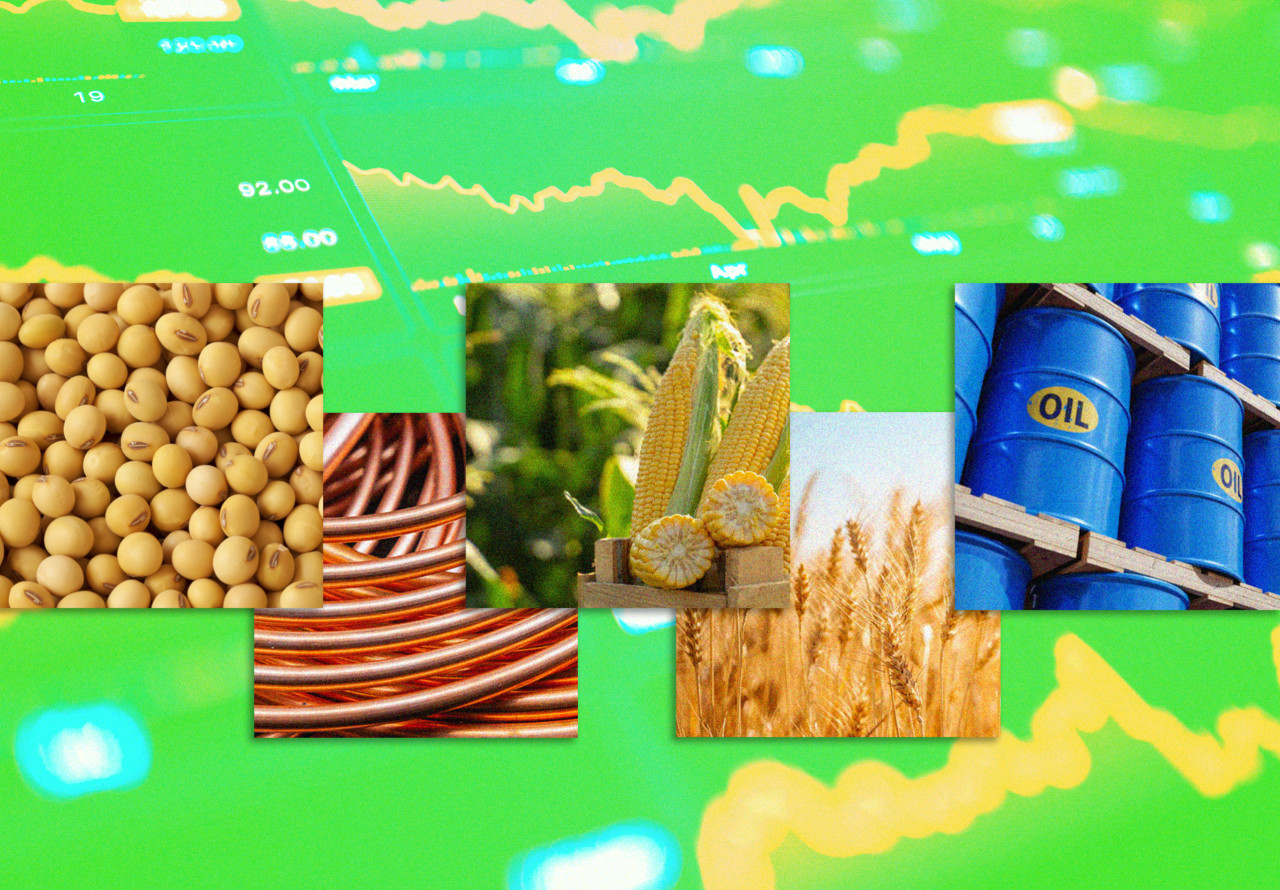
The cost of a wide array of food items is simultaneously escalating, contributing to a significant and pervasive inflation problem that extends beyond energy prices and geopolitical conflicts. This widespread increase in food prices is impacting consumers' grocery bills across the board, making it more expensive to purchase staple goods and a variety of other food products. The phenomenon is not confined to a single commodity but rather represents a broad-based upward trend affecting numerous components of the global food supply chain. This situation is drawing considerable attention from financial markets, with Wall Street analysts and investors closely monitoring the inflationary pressures exerted by rising food costs. The interconnectedness of global food markets means that disruptions or price increases in one region or for one type of crop can have ripple effects worldwide. Factors contributing to these price surges are multifaceted, potentially including adverse weather conditions affecting crop yields, increased input costs for farmers such as fertilizer and fuel, ongoing supply chain disruptions, and shifts in global demand. The current inflationary environment, exacerbated by these rising food prices, presents a complex challenge for economic policymakers aiming to stabilize prices and support consumer purchasing power. The broad nature of these price increases suggests that the inflationary pressures are deeply embedded within the food sector, making them more persistent and harder to mitigate in the short term. Wall Street's heightened awareness signifies the economic weight of food as a fundamental consumer expense and its substantial impact on overall inflation metrics. Analysts are scrutinizing the implications for corporate earnings, consumer spending patterns, and the broader economic outlook as food costs continue to climb. The sustained rise in food prices could lead to adjustments in consumer behavior, with households potentially altering their purchasing habits to cope with higher expenses. This could involve seeking out lower-cost alternatives, reducing consumption of certain items, or dedicating a larger portion of their budget to food. The economic implications are significant, as food constitutes a substantial portion of household expenditure, particularly for lower-income demographics. The current inflationary trend in food prices is a critical factor in the broader economic narrative, influencing monetary policy decisions and market sentiment. The confluence of rising crop prices and other inflationary pressures creates a challenging economic landscape, demanding careful analysis and strategic responses from both policymakers and market participants. The broad-based nature of these increases suggests a systemic issue within the food supply chain and agricultural markets, necessitating a comprehensive understanding of the underlying drivers to forecast future trends and potential impacts.
Original source — read the full reporting at the publisher:
Read on MarketWatchGet the weekly AI digest
AI news + new model releases, weekly. Drafted by our agents, reviewed by humans.