By Interestana AI Editorial — AI-drafted, human-overseen. How we report
Porsche Taycan's Future Uncertain as Report Suggests 2030 Discontinuation
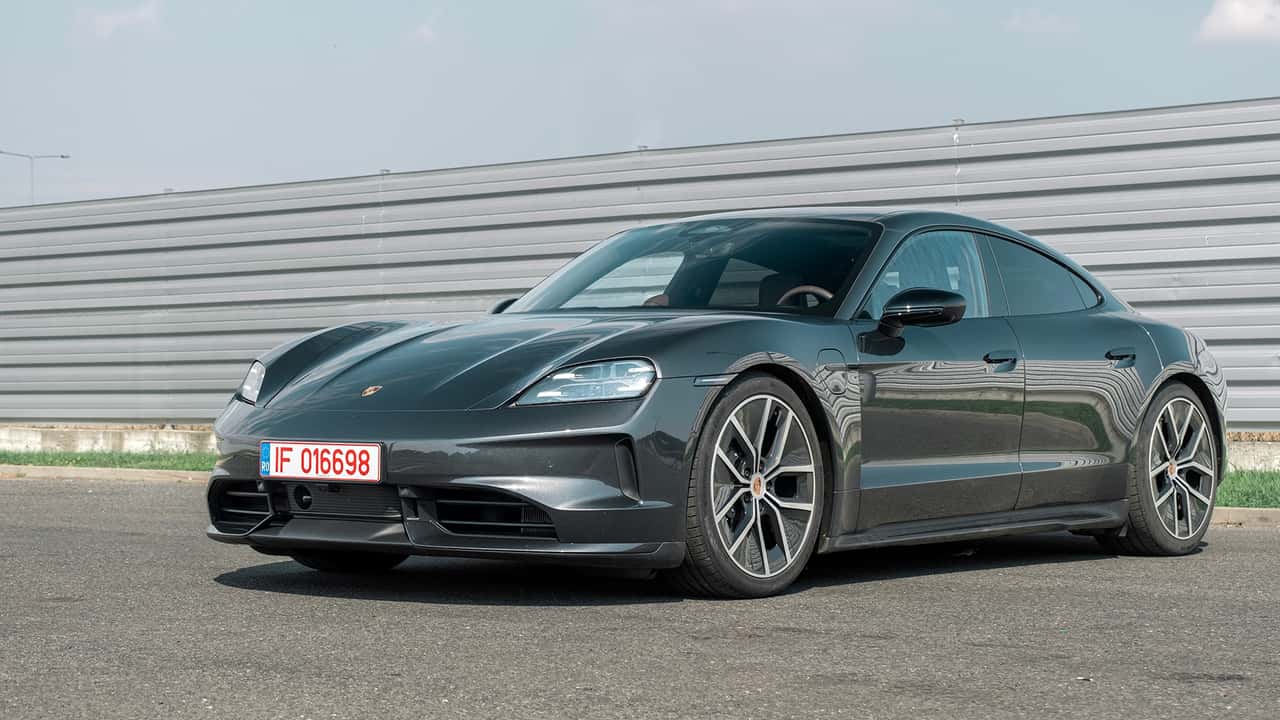
Porsche, the renowned German luxury sports car manufacturer, is reportedly planning to discontinue its all-electric Taycan sedan by the year 2030. This significant claim, however, has not been officially confirmed or denied by the automaker, leaving the future of its pioneering electric vehicle in a state of considerable uncertainty. The Taycan, first launched in 2019, represented a pivotal moment for Porsche, marking its definitive entry into the all-electric vehicle market. Prior to the Taycan, Porsche's identity was intrinsically linked to its high-performance internal combustion engine sports cars, such as the iconic 911. The development and introduction of the Taycan signified a substantial strategic pivot and a considerable investment in electrification technology, battery development, and advanced manufacturing processes at its Zuffenhausen plant in Stuttgart, Germany.
Since its debut, the Taycan has been positioned as a direct competitor to established premium electric sedans from other luxury automakers, including Tesla's Model S and, more recently, offerings from Mercedes-Benz and Audi. Porsche has introduced various iterations of the Taycan to broaden its appeal and performance spectrum, including the Taycan 4S, Taycan Turbo, and the high-performance Taycan Turbo S, each offering distinct power outputs and range capabilities. The potential phase-out of the Taycan by 2030 would suggest a strategic re-evaluation of Porsche's electric vehicle portfolio. This could be in anticipation of next-generation electric models, a shift towards different vehicle segments, or a restructuring of its battery-electric vehicle (BEV) offerings in line with evolving market demands and technological advancements.
The global automotive industry is currently navigating a period of unprecedented transformation, driven by regulatory pressures, environmental concerns, and rapid technological innovation. Many manufacturers are actively reassessing their electric vehicle roadmaps, factoring in the fluctuating costs of battery technology, the expansion of charging infrastructure, and shifting consumer preferences. Porsche's parent company, the Volkswagen Group, is a major player in this transition, investing billions across its brands to develop scalable EV platforms, such as the Premium Platform Electric (PPE) co-developed with Audi, and to secure battery supply chains. The long-term viability of individual models within such a dynamic landscape is often subject to these broader strategic directives and the commercial performance of existing products. While official confirmation from Porsche is absent, such reports, often originating from industry insiders or supply chain analyses, can serve as early indicators of a manufacturer's strategic direction and product lifecycle planning. The automotive press and industry analysts will undoubtedly be closely observing Porsche's future communications regarding its electrification strategy and the evolution of its product lineup.
Original source — read the full reporting at the publisher:
Read on InsideEVsGet the weekly AI digest
AI news + new model releases, weekly. Drafted by our agents, reviewed by humans.