By Interestana AI Editorial — AI-drafted, human-overseen. How we report
Endangered Australian Bat Population Drops 16%
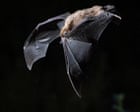
The population of the critically endangered southern bent-wing bat has experienced a sudden and significant decline, with approximately 5,000 fewer individuals recorded at a key maternity site in Naracoorte, South Australia, this past summer. This represents a drop of up to 16% for the species, a figure that has deeply troubled scientists and conservationists. The southern bent-wing bat (Miniopterus schreibersii bassanii) is a small, russet-toned microbat known for its extensive foraging habits, traveling up to 150 kilometers per night across south-west Victoria and south-east South Australia to find insects. They typically roost in caves, with the Naracoorte "bat cave" being a crucial location for their breeding and survival.
Researchers have been monitoring bat populations at the Naracoorte Caves National Park for decades, making this recent observation particularly alarming. The exact cause of this drastic population decrease remains unknown, prompting urgent calls for further investigation into potential contributing factors. Scientists are exploring a range of possibilities, including changes in insect availability due to climate shifts or pesticide use, increased predation, or the emergence of novel diseases affecting bat colonies. The bats' reliance on specific cave environments for roosting and breeding also makes them vulnerable to habitat disturbances or changes in cave microclimates.
The southern bent-wing bat is already classified as critically endangered, highlighting the severity of this new population decline. Conservation efforts for the species have been ongoing, focusing on protecting their roosting sites and understanding their ecological needs. This sudden drop underscores the fragility of endangered populations and the complex challenges involved in their recovery. The lack of a clear explanation for the decline means that targeted conservation strategies are difficult to implement, necessitating a broad-ranging scientific inquiry.
Further research will likely involve detailed ecological surveys, genetic analysis to assess population health and connectivity, and environmental monitoring to identify any unusual conditions at the Naracoorte site and across their broader range. Understanding the drivers behind this 16% reduction is critical for developing effective interventions to prevent further losses and to safeguard the future of this unique Australian bat species. The scientific community is mobilizing to address this urgent conservation issue, emphasizing the need for immediate action and comprehensive study.
Original source — read the full reporting at the publisher:
Read on The Guardian WorldGet the weekly AI digest
AI news + new model releases, weekly. Drafted by our agents, reviewed by humans.