By Interestana AI Editorial — AI-drafted, human-overseen. How we report
Polygamist Creator Reflects on Netflix Hit's Female Appeal
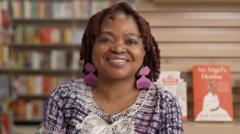
Zimbabwean novelist Sue Nyathi, the creator of the Netflix series "The Polygamist," has spoken about the show's significant resonance with female viewers, suggesting that women see themselves reflected in the narrative. Nyathi, who self-funded her debut novel, also raised critical questions about the financial accessibility of writing and creative pursuits in general. The series, which debuted on Netflix, has garnered attention for its exploration of complex relationships and societal expectations within a polygamous context.
Nyathi's own journey into authorship was marked by significant personal investment, as she self-funded her first novel. This experience has led her to question the economic barriers faced by aspiring writers, particularly those from less privileged backgrounds. The ability to afford the time and resources necessary to create art is a significant hurdle, and Nyathi's perspective highlights a broader issue within the creative industries. Her success with "The Polygamist" on a global platform like Netflix underscores the potential for diverse stories to find a wide audience, but it also implicitly points to the challenges of reaching that stage.
The narrative of "The Polygamist" delves into the intricacies of relationships, societal pressures, and the choices women make within challenging circumstances. Nyathi's observation that female audiences connect deeply with the characters suggests the series taps into universal themes of love, sacrifice, and self-discovery, even within a specific cultural setting. The show's popularity indicates a demand for storytelling that explores the female experience in nuanced and relatable ways. This success on Netflix, a platform with a vast international reach, amplifies the impact of Nyathi's work and her commentary on the creative landscape.
Nyathi's background as a self-funded author provides a unique lens through which to view the entertainment industry. Her personal investment in her work, from her initial novel to the development of the series, speaks to a dedication that transcends purely financial motivations. The question she poses—"who can afford to write at all?"—is a direct challenge to the notion that creative endeavors are solely the domain of those with ample financial backing. Her success serves as an inspiration and a case study for emerging creators, demonstrating that compelling storytelling can overcome significant obstacles, though the systemic issues of access and funding remain pertinent topics for discussion within the literary and film industries.
Original source — read the full reporting at the publisher:
Read on BBC World NewsGet the weekly AI digest
AI news + new model releases, weekly. Drafted by our agents, reviewed by humans.