By Interestana AI Editorial — AI-drafted, human-overseen. How we report
Phone Book Leads to Syrian Spy Chief 'The Spider'
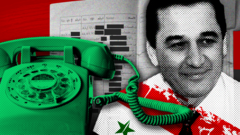
An investigative report published by The Guardian on April 18, 2024, details how a seemingly insignificant phone book entry became the crucial clue in locating a former Syrian intelligence chief, known as "The Spider." This individual, identified as Ghassan Shaba, was once a feared figure within the Syrian regime, operating as a high-ranking official in the General Intelligence Directorate. The investigation, conducted by journalists and researchers, highlights the persistent efforts required to track down individuals who have gone into hiding after years of significant influence and alleged human rights abuses.
The breakthrough in locating Shaba reportedly stemmed from a meticulous review of old Syrian phone directories. These directories, often overlooked in the digital age, contained a listing for an individual with a name and address that, when cross-referenced with other fragmented pieces of information, pointed towards Shaba's potential whereabouts. The process involved piecing together disparate data points, including old addresses, known associates, and financial records, to build a comprehensive picture of his possible post-regime life. The Guardian's report emphasizes that Shaba had been living under a different identity, obscuring his past and evading accountability for his alleged actions during the Syrian civil war.
Ghassan Shaba, "The Spider," was a key figure in the Syrian intelligence apparatus, responsible for overseeing operations that were linked to widespread surveillance, arbitrary arrests, and torture. His role within the Directorate made him privy to sensitive information and instrumental in the regime's efforts to suppress dissent. The investigation into his current location was part of a broader effort by human rights organizations and investigative journalists to document the activities of former regime officials and to pursue avenues for justice and accountability. The discovery of his hiding place, facilitated by the old phone book, underscores the value of archival research and the potential for traditional investigative methods to yield significant results even in the digital era.
The successful tracking of Shaba illustrates the challenges and complexities involved in pursuing individuals who have disappeared from public view. It also brings attention to the ongoing efforts to hold those responsible for atrocities during the Syrian conflict accountable. The report does not specify the exact location where Shaba was found, nor does it detail any immediate legal or judicial actions that may follow this discovery. However, the identification of his hiding place is considered a significant development in the ongoing pursuit of justice for victims of the Syrian regime's security forces.
Original source — read the full reporting at the publisher:
Read on BBC World NewsGet the weekly AI digest
AI news + new model releases, weekly. Drafted by our agents, reviewed by humans.