By Interestana AI Editorial — AI-drafted, human-overseen. How we report
Pillow Redesign Addresses Widespread Neck Pain
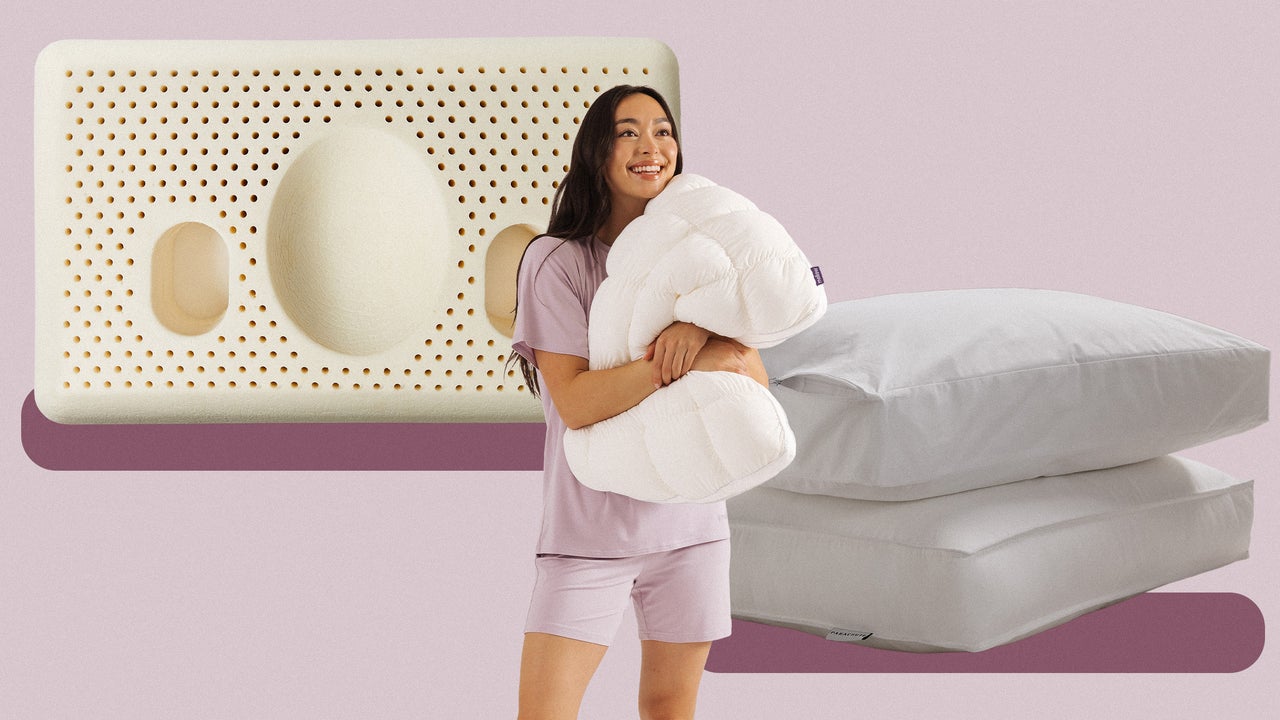
Chronic neck and shoulder pain, experienced by an estimated 30% to 50% of adults annually, can stem from seemingly simple issues like an inadequate pillow. The author experienced such pain, which was ultimately diagnosed by a physical therapist as being caused by their pillow. As a side sleeper, the author's head was collapsing towards the mattress, misaligning their spine. This widespread problem is exacerbated for side sleepers, who often struggle to achieve neutral spinal alignment. Spinal specialists emphasize that maintaining a straight line from the neck, shoulders, and spine, parallel to the mattress, is crucial for averting pain. When a pillow does not adequately fill the space between the ear and the shoulder, it can lead to muscle strain, nerve compression, and joint misalignment over an eight-hour sleep period.
In response to this pervasive issue, numerous bedding brands are undertaking a significant redesign of the pillow. While established companies like Tempur-Pedic have historically been innovators in pillow technology, a new wave of startups, including Mellow, Parachute, Avocado, and Coyuchi, are re-evaluating fundamental aspects of pillow design. These companies are rethinking the silhouette, internal construction, and the materials used in their products. The challenge in creating the "perfect" pillow is substantial, given the vast individual differences in shoulder width, torso length, and head weight, coupled with diverse personal preferences for firmness and loft. This complexity means that a one-size-fits-all solution is unlikely, necessitating a more personalized approach to pillow design and selection.
The quest for optimal sleep posture and cranial support involves understanding the biomechanics of sleep. For side sleepers, the pillow must provide sufficient loft and firmness to keep the head and neck in alignment with the rest of the spine, preventing the downward pull that causes discomfort. Back sleepers generally find it easier to maintain this alignment, as their head rests more naturally in a neutral position. The design considerations for modern pillows extend beyond basic cushioning to encompass ergonomic principles aimed at supporting the natural curvature of the cervical spine. This involves exploring advanced materials, such as memory foams, latex, and specialized fiber fills, as well as innovative structural designs that can adapt to different sleeping positions and body types.
Industry efforts to address neck pain through pillow innovation highlight a growing awareness of the link between sleep environment and physical well-being. The competitive landscape sees both legacy brands and emerging startups vying to capture a market segment increasingly concerned with health and wellness. The development process for these new pillows often involves extensive research into sleep science, user testing, and the integration of advanced manufacturing techniques. Ultimately, the goal is to provide consumers with a product that not only offers comfort but also actively contributes to spinal health and the prevention of chronic pain, making the search for the ideal pillow a significant undertaking for both manufacturers and consumers.
Original source — read the full reporting at the publisher:
Read on Fast CompanyGet the weekly AI digest
AI news + new model releases, weekly. Drafted by our agents, reviewed by humans.