By Interestana AI Editorial — AI-drafted, human-overseen. How we report
Samsung's Fold8 Highlights Inherent Foldable Phone Trade-offs
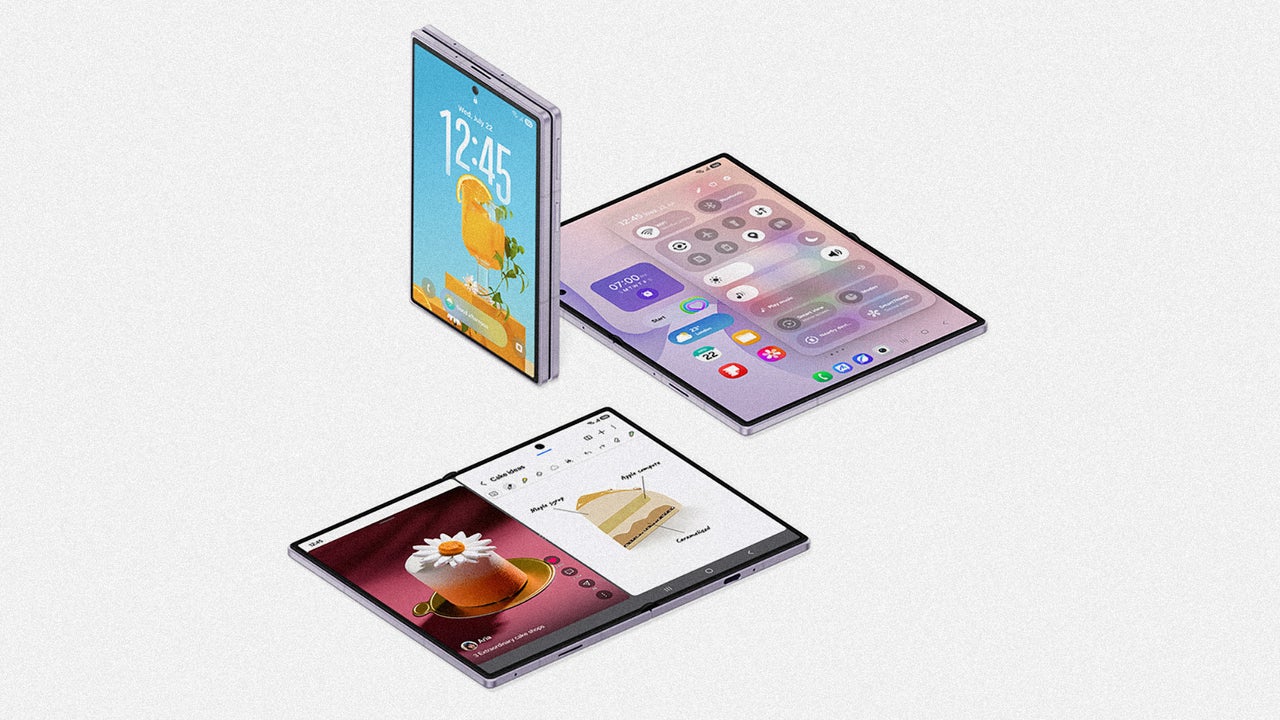
Samsung's latest foldable device, the Galaxy Z Fold8, launched in early August with a retail price of $1,900, representing Samsung's ongoing effort to eliminate compromises in foldable phone technology and appeal to a wider consumer base. The device features a new passport-like form factor designed to be more pocketable while still unfolding into a small tablet. A key improvement highlighted by Samsung is a significantly reduced crease on the inner display, making the viewing experience more seamless. The company is specifically targeting users who consume video content on their smartphones, a demographic that encompasses a vast majority of mobile users. This strategic focus aligns with industry trends, as rumors suggest Apple's forthcoming foldable device will adopt a similar size and shape. However, extensive use of the Fold8 has revealed that while the new design addresses some previous limitations, it introduces a distinct set of its own compromises.
The Fold8's outer screen adopts a 16:10 aspect ratio, reminiscent of Samsung's 2011 Galaxy Note, making it shorter and wider than most contemporary flagship smartphones. This design choice presents challenges for one-handed operation, as reaching across the wider screen with a thumb while holding the device can be difficult and feel precarious. Furthermore, the squatter display aspect ratio has led to compatibility issues with some applications and websites, which are not yet optimized for this form factor. An example cited is the "One Away" messages on a social connections app, which were partially cut off and appeared out of frame due to the display's dimensions. Samsung had previously focused on making the Fold series feel more like a conventional smartphone, a trend that continued until the Fold7 model released in 2025. The Fold8's design, while innovative, underscores the persistent challenge of balancing various user experience factors in foldable technology.
Despite these trade-offs, the author expresses continued enthusiasm for foldable phones and acknowledges the enjoyable experience provided by the Fold8. The new design, however, has shifted the author's perspective from believing a "perfect" foldable phone was imminent to recognizing that, like most technological products, foldables will inherently involve compromises. The Fold8's specific design choices, such as the wider front screen, illustrate how advancements in one area can necessitate adjustments or create new challenges in others. This ongoing evolution of the foldable form factor suggests that manufacturers will continue to iterate on designs, seeking to optimize the balance between screen real estate, portability, usability, and app compatibility. The $1,900 price point also positions the Fold8 as a premium device, indicating that the pursuit of a universally ideal foldable experience remains an expensive and complex endeavor for companies like Samsung.
Original source — read the full reporting at the publisher:
Read on Fast CompanyGet the weekly AI digest
AI news + new model releases, weekly. Drafted by our agents, reviewed by humans.