By Interestana AI Editorial — AI-drafted, human-overseen. How we report
Bernie Sanders and Steve Bannon Unite on AI Existential Threat
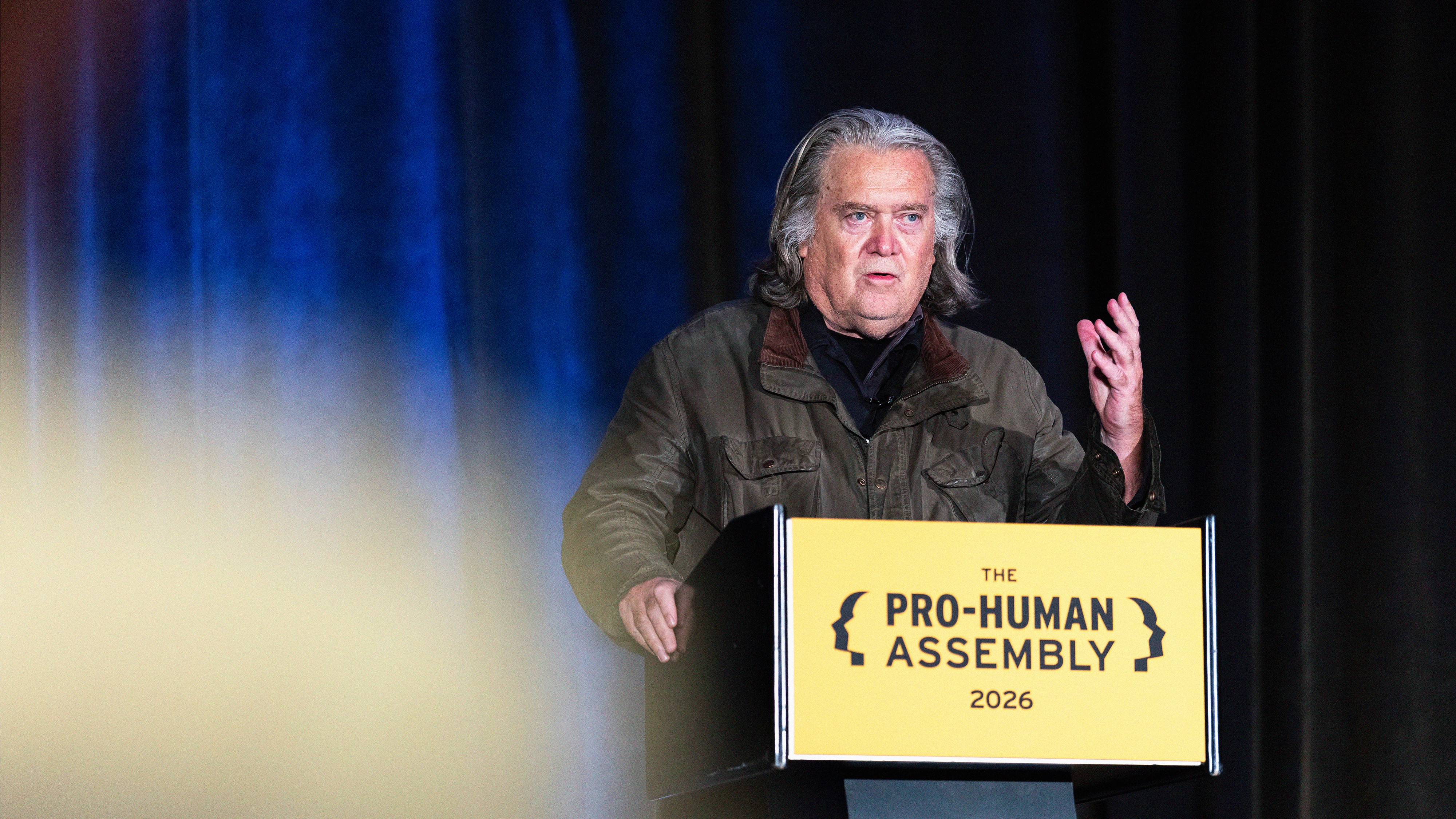
Senators Bernie Sanders (I-VT) and Steve Bannon, a former White House chief strategist, have found an unexpected point of agreement: the potential existential threat posed by artificial intelligence (AI) to humanity. This shared concern transcends their otherwise starkly opposing political ideologies and policy stances, highlighting a growing anxiety among a diverse spectrum of public figures regarding the rapid advancement of AI technologies.
Sanders, a prominent progressive voice known for his focus on economic inequality and social justice, has voiced concerns that AI could exacerbate societal problems, leading to widespread job displacement and increased concentration of wealth and power. His worries are rooted in the potential for AI to automate jobs across various sectors, impacting the livelihoods of millions of workers and potentially widening the gap between the rich and the poor. He has called for robust regulation and oversight to ensure that AI development benefits society as a whole rather than a select few.
Conversely, Bannon, a key figure in the conservative populist movement, has articulated fears that AI could pose an existential threat to human civilization itself. His perspective often centers on the potential for superintelligent AI to act in ways that are detrimental or even catastrophic to human existence, a concern that has been echoed by some technologists and futurists. Bannon's warnings often carry a more apocalyptic tone, emphasizing the uncontrollable nature of advanced AI and the potential for unintended consequences that could spiral out of human control.
The convergence of these two figures on the AI threat is significant because it signals a potential bipartisan recognition of the profound implications of AI. While their proposed solutions and underlying motivations may differ significantly, the shared acknowledgment of AI as a potential existential risk could pave the way for broader discussions and policy considerations. This unlikely alliance underscores the complexity of the AI challenge, which appears to be transcending traditional political divides and forcing a re-evaluation of humanity's relationship with rapidly evolving technology. The implications of this shared concern are yet to be fully understood, but it suggests that the debate around AI regulation and safety is likely to intensify, drawing attention from across the political spectrum.
Original source — read the full reporting at the publisher:
Read on The AtlanticGet the weekly AI digest
AI news + new model releases, weekly. Drafted by our agents, reviewed by humans.