By Interestana AI Editorial — AI-drafted, human-overseen. How we report
Maine Town Welcomes Data Center Amidst Opposition
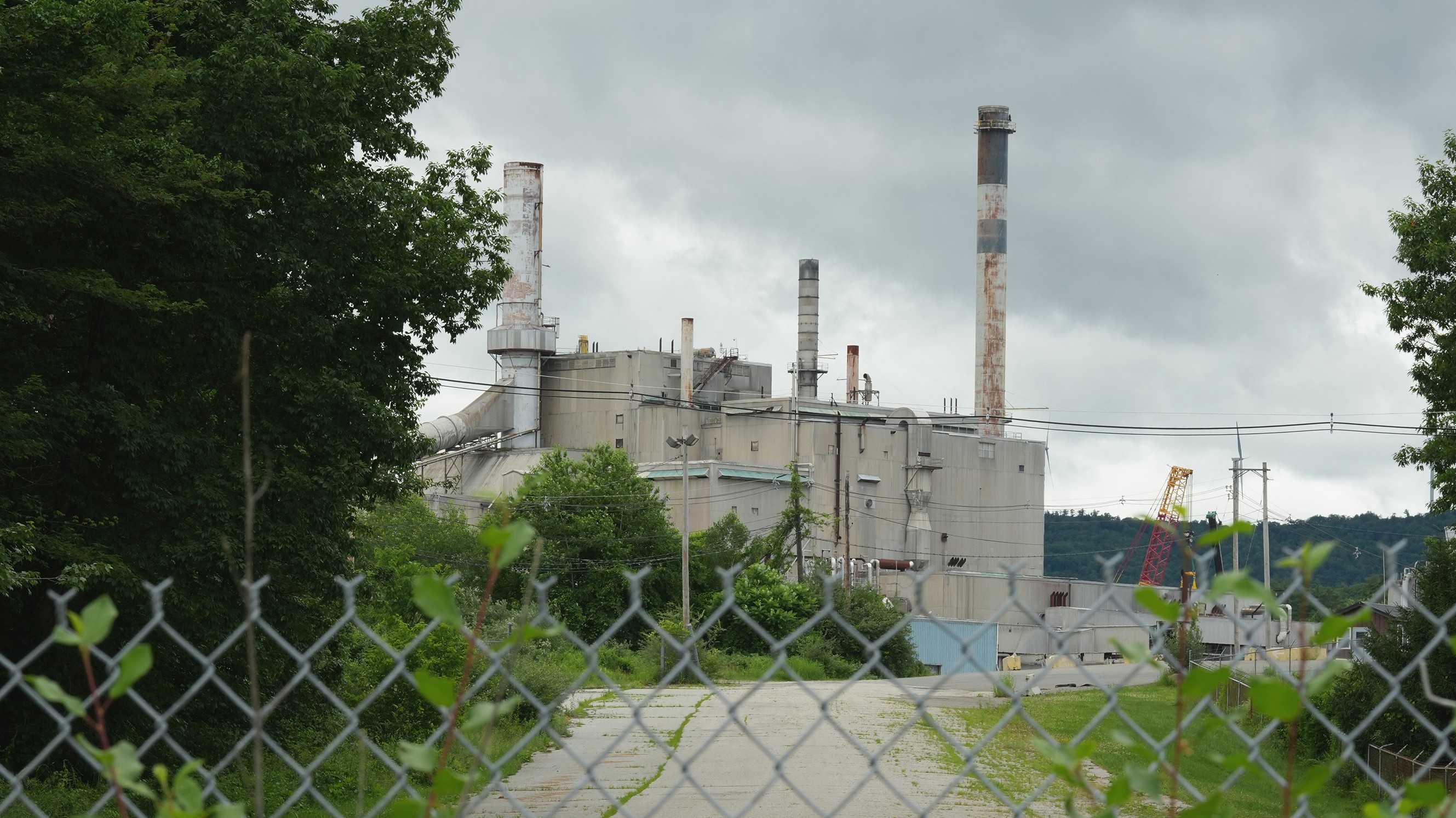
Jay, Maine, a town with a population of approximately 2,500 residents, has voted to approve the development of a large-scale data center, a decision that stands in stark contrast to the growing opposition faced by similar projects across the United States. The proposal, which passed with a 171-103 vote on March 26, 2024, signifies a potential economic revitalization for the rural community, which has experienced significant job losses following the closure of its paper mill in 2011. The data center, proposed by a subsidiary of the Canadian company Cloudcorp, is expected to bring approximately 20 to 30 permanent jobs to the area, along with substantial tax revenue. Proponents of the project, including the town's select board and many residents, view the data center as a crucial opportunity to diversify the local economy and provide much-needed employment.
However, the decision in Jay is an outlier in a national landscape where data centers are increasingly becoming a focal point of environmental and community concerns. These facilities, essential for powering the digital economy, are known for their immense energy consumption and significant water usage, often for cooling purposes. Critics of data centers frequently cite their carbon footprint, the strain they place on local power grids, and the potential impact on water resources, particularly in regions already facing water scarcity. In many communities, these concerns have led to organized opposition, moratoriums, and stringent regulatory reviews for new data center developments. For instance, in the Hudson Valley region of New York, local governments have implemented strict zoning regulations and moratoriums on new data centers due to environmental worries.
Jay's vote reflects a complex interplay of economic desperation and localized priorities. For a town that has struggled economically for over a decade, the promise of jobs and tax income from the data center outweighs the broader environmental and infrastructural concerns that have halted projects elsewhere. The town's leadership has emphasized that the project will adhere to state environmental regulations and that the company has committed to using renewable energy sources where possible. The approval process involved extensive public hearings and discussions, allowing residents to voice their opinions and concerns. The economic benefits, including an estimated $1.5 million in annual tax revenue for the town and school district, are a significant draw for a community seeking to reverse its economic decline.
The contrast between Jay's embrace of the data center and the widespread resistance elsewhere highlights a growing debate about the equitable distribution of the benefits and burdens of the digital infrastructure boom. While data centers are vital for technological advancement and economic growth, their environmental impact and resource demands are increasingly scrutinized. Jay's decision suggests that in communities facing severe economic hardship, the immediate promise of jobs and revenue can sometimes take precedence over these broader concerns, creating a localized exception to a national trend of data center opposition.
Original source — read the full reporting at the publisher:
Read on The AtlanticGet the weekly AI digest
AI news + new model releases, weekly. Drafted by our agents, reviewed by humans.