By Interestana AI Editorial — AI-drafted, human-overseen. How we report
Human Judgment Crucial in AI-Driven Design
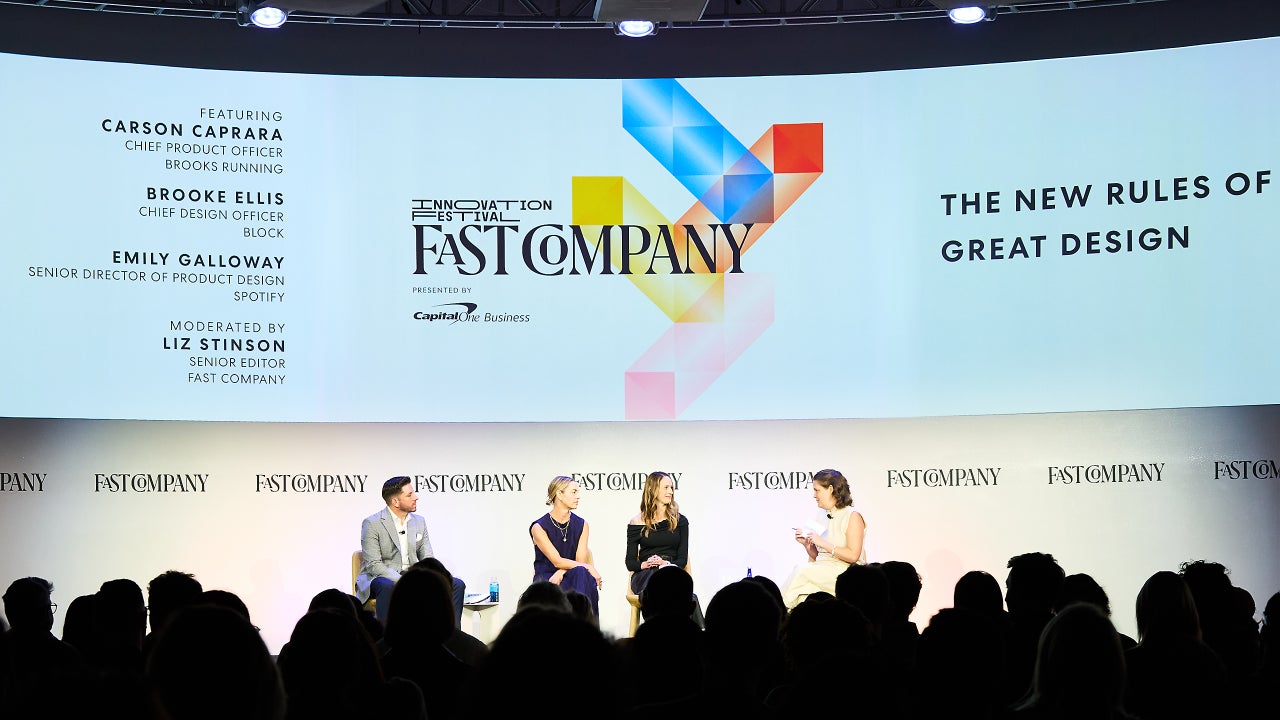
The increasing speed and accessibility of generative AI in converting ideas into reality underscore the heightened importance of human judgment in the design process, according to design leaders. Emily Galloway, senior director of product design at Spotify, stated at The New Rules of Great Design panel during the 2026 Fast Company Innovation Festival that "More is not always better. Faster is not always better," emphasizing that human discernment is becoming paramount. The reduced cost of innovation means the primary challenge is identifying what is genuinely worth pursuing, a sentiment echoed by Brooke Ellis, Block's chief design officer. While not all successful designs must originate from solving a human problem, technology-first products require careful consideration to avoid a cold user experience.
Spotify's AI DJ, launched in 2023, serves as an example of integrating AI while maintaining a human touch. The objective was to create a companion-like experience for users navigating their playlists. To achieve this, the voice was modeled after Spotify employee Xavier Jernigan, whose background in music curation and podcasting lent credibility and a human element to the AI-powered feature. Galloway explained that employing generative AI necessitates designing broader product systems rather than dictating every specific output. To manage this effectively, she advocates for assembling the right human teams to collaborate with AI technologies. For the AI DJ, Spotify established a "writer's room" comprising writers, culture and music experts, and engineers to work in conjunction with the generative technology.
Even traditional industries are exploring AI integration. Brooks Running, an athletic apparel company with a century-long history, is investigating methods to leverage technology for customer personalization. However, this integration presents challenges, as users often engage with running for reasons beyond pure technological advancement. The company is navigating how to incorporate AI without alienating its customer base, suggesting that the human element remains central to product development and user experience, even as AI tools become more sophisticated and prevalent in the creative workflow. The core message from these design leaders is that while AI can dramatically accelerate the creation phase, the strategic direction, ethical considerations, and ultimate user connection remain firmly within the purview of human designers and decision-makers.
Original source — read the full reporting at the publisher:
Read on Fast CompanyGet the weekly AI digest
AI news + new model releases, weekly. Drafted by our agents, reviewed by humans.