By Interestana AI Editorial — AI-drafted, human-overseen. How we report
New Book Challenges Historical Narratives
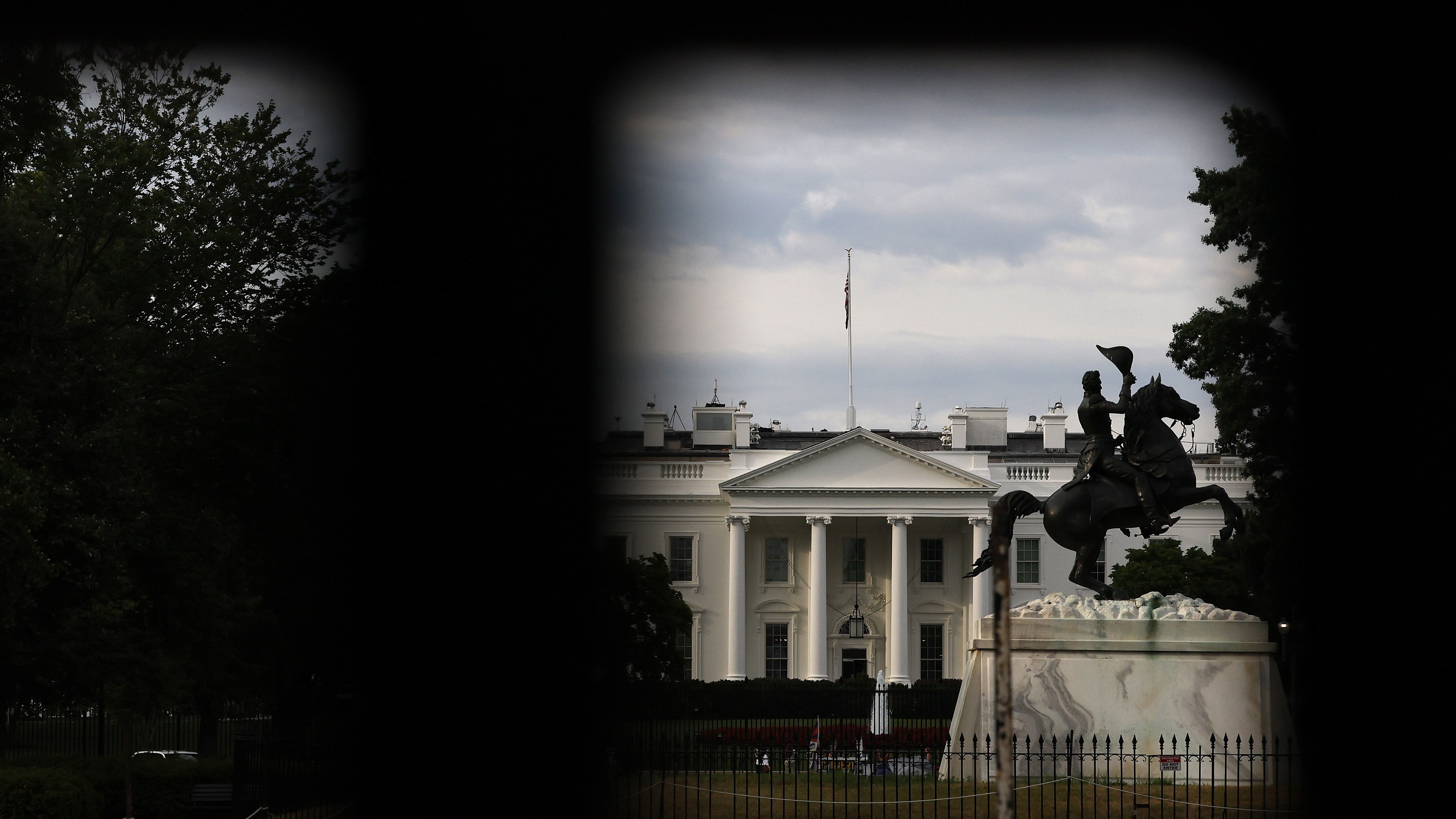
A new book titled "The New History Wars" examines a burgeoning form of protest that is actively contesting established historical narratives and interpretations. This movement, characterized by its intellectual and bookish approach, seeks to re-evaluate and often revise the accepted understanding of past events, particularly in response to perceived political or ideological shifts. The book delves into the ways in which contemporary activism is engaging with historical scholarship, public memory, and the very construction of national identity through the lens of historical revisionism. It highlights how these protests are not merely about disagreeing with past events but are fundamentally about who controls the narrative and how history is taught and remembered in the present day.
The author, through extensive research and analysis, details specific instances where groups have mobilized to challenge dominant historical accounts. These challenges often arise in response to what are perceived as attempts to sanitize, politicize, or otherwise manipulate historical records for contemporary agendas. The "bookish" nature of these protests signifies a reliance on rigorous research, archival evidence, and scholarly debate as primary tools for argumentation, distinguishing them from more conventional forms of demonstration. This approach underscores a belief in the power of evidence-based discourse to reshape public understanding and counter what are seen as distorted or incomplete historical representations. The book argues that this form of protest is a critical mechanism for ensuring a more nuanced, accurate, and inclusive understanding of the past.
"The New History Wars" explores the broader implications of these historical contests, including their impact on education, cultural policy, and political discourse. It investigates the underlying motivations driving these challenges, which often stem from a desire to give voice to marginalized perspectives or to correct historical injustices that have been overlooked or downplayed. The book posits that the current era is marked by an intensified struggle over historical meaning, where the past is not a settled domain but a contested territory. By focusing on the intellectual and academic underpinnings of these movements, the author provides a framework for understanding the complexities of historical memory and the ongoing efforts to ensure that historical accounts reflect a wider range of experiences and truths. The work serves as a call to engage critically with historical narratives and to recognize the vital role of ongoing historical inquiry in shaping a more informed and just society.
Original source — read the full reporting at the publisher:
Read on The AtlanticGet the weekly AI digest
AI news + new model releases, weekly. Drafted by our agents, reviewed by humans.