Supreme Court Upholds Birthright Citizenship in Trump v. Barbara
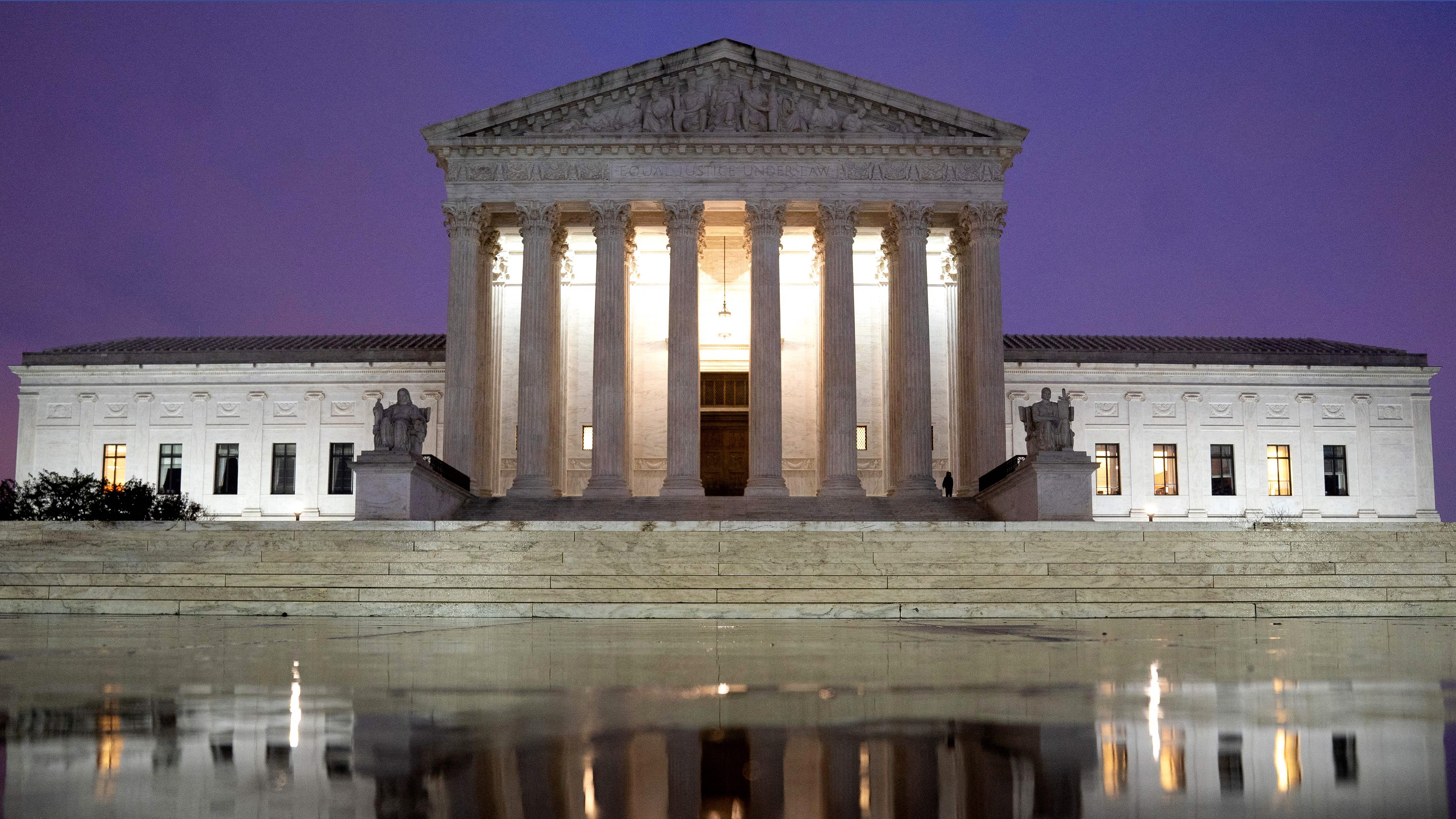
The Supreme Court issued a decision in the case of Trump v. Barbara, upholding the principle of birthright citizenship. This ruling affirms that individuals born within the United States are automatically granted citizenship, regardless of their parents' immigration status. The decision is being characterized as a reprieve rather than a definitive victory, suggesting the underlying debate may persist.
The case centered on interpretations of the 14th Amendment, specifically the Citizenship Clause, which states that "all persons born or naturalized in the United States, and to the jurisdiction thereof, are citizens of the United States and of the State wherein they reside." Legal scholars and advocates have closely watched this case, recognizing its potential to significantly alter immigration policy and the rights of millions.
While the immediate effect of the ruling is the preservation of the long-standing interpretation of birthright citizenship, the dissenting opinions or the nature of the majority's reasoning could lay groundwork for future challenges. The term "reprieve" implies that the legal and political battles surrounding birthright citizenship are not fully resolved by this judgment. The implications for future immigration legislation and executive actions remain a subject of ongoing discussion and potential legal scrutiny.
This decision, often compared in significance to landmark cases like Roe v. Wade due to its potential societal impact, provides a temporary stabilization of a contentious issue. The focus now shifts to how political actors and legal bodies will engage with the citizenship question moving forward, particularly in light of the nuances presented in the Trump v. Barbara proceedings.
Original source — read the full reporting at the publisher:
Read on The Atlantic