By Interestana AI Editorial — AI-drafted, human-overseen. How we report
AI Reshapes Creative Careers and Monetization
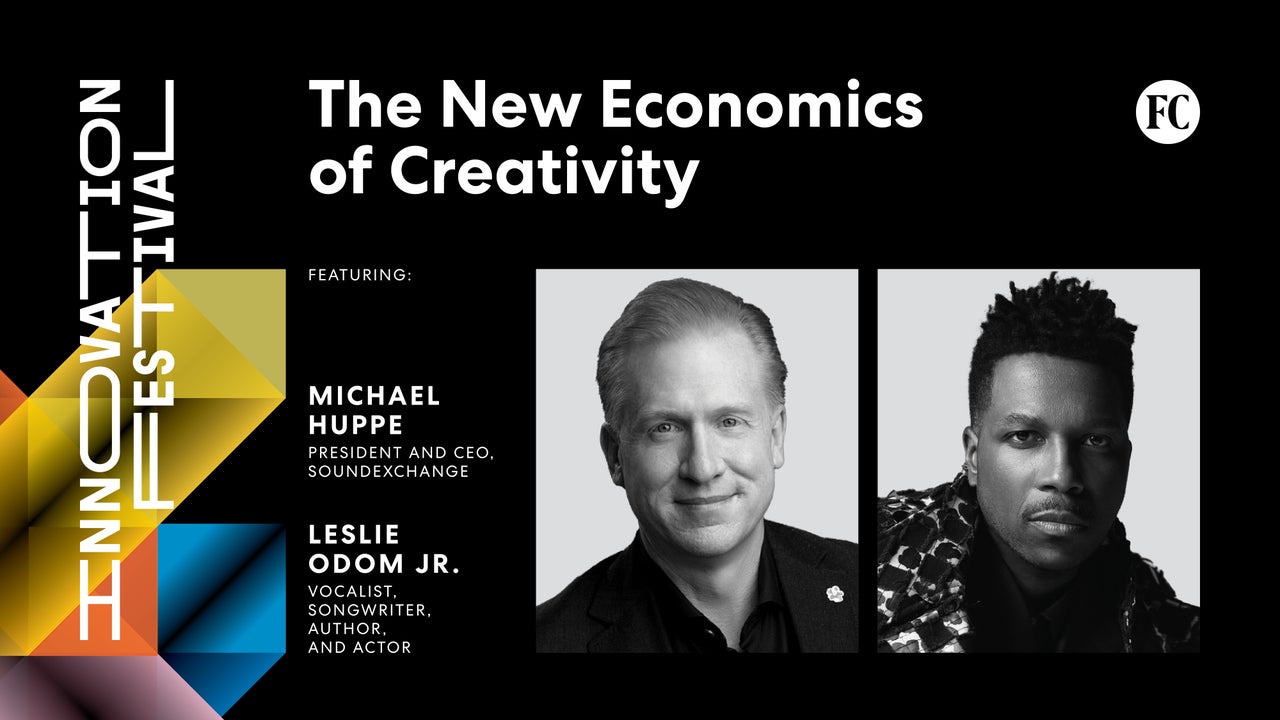
The economics of creativity are undergoing a rapid transformation driven by artificial intelligence, compelling creative professionals to adopt entrepreneurial mindsets to build sustainable careers. This shift necessitates the development of multiple revenue streams and robust strategies for intellectual property protection in an increasingly complex digital landscape. The evolving environment pressures artists to not only produce creative work but also to manage it as a business, adapting to new methods of idea generation, distribution, and monetization.
In a recent discussion, actor and musician Leslie Odom Jr. and SoundExchange CEO Michael Huppe explored the critical elements required for building a viable creative career amidst this disruption. Their conversation highlighted the imperative for artists to view their talent as a business asset, capable of generating diverse income. This includes understanding how to leverage their work effectively across various platforms and ensuring appropriate compensation as their creations circulate through intricate digital networks. The focus is on proactive management of creative output to secure financial stability and artistic longevity.
SoundExchange, as an organization, plays a crucial role in this new economic paradigm by managing digital royalties for music creators and rights holders. The company facilitates the collection and distribution of these royalties, ensuring that artists are compensated when their music is played on digital radio, streaming services, and other platforms. This function becomes even more vital as AI-generated content and new distribution channels proliferate, potentially complicating traditional royalty collection mechanisms. Huppe's insights underscore the need for robust systems that can track and monetize creative works in this evolving ecosystem.
Leslie Odom Jr.'s perspective likely emphasizes the practical challenges faced by individual artists navigating these changes. His experience as a performer and creator provides a ground-level view of how AI tools might impact production processes, performance opportunities, and the overall market for creative content. The discussion points towards a future where creative talent must be adept at business strategy, legal protections for intellectual property, and the utilization of technology to enhance both creation and compensation. The overarching theme is the necessity for artists to become more business-savvy to thrive in an AI-influenced creative economy, moving beyond traditional models of artistic production and income generation to embrace a more diversified and protected approach to their careers.
Original source — read the full reporting at the publisher:
Read on Fast CompanyGet the weekly AI digest
AI news + new model releases, weekly. Drafted by our agents, reviewed by humans.