By Interestana AI Editorial — AI-drafted, human-overseen. How we report
Tech CEOs Evolve Into Modern Film Villains
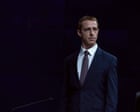
The perception of technology executives in popular culture has undergone a significant transformation, with figures like Mark Zuckerberg now frequently depicted as antagonists, a stark contrast to the more nuanced portrayal in films like "The Social Network." When "The Social Network" was released, Mark Zuckerberg reportedly organized a staff viewing of the film, describing it as "fun." This suggests a past comfort level with his public image as depicted on screen. However, current trends indicate that a similar corporate outing for a film featuring a tech CEO in a villainous role would be highly improbable.
The evolution of tech leaders from aspirational figures to cinematic villains reflects broader societal anxieties and criticisms directed at the tech industry. Early portrayals, such as in "The Social Network" (2010), which chronicled the founding of Facebook, presented Zuckerberg as a complex, albeit flawed, protagonist. The film explored themes of ambition, betrayal, and the personal cost of innovation, allowing audiences to empathize with his drive and the challenges he faced. This depiction contributed to a narrative where tech founders were often seen as brilliant innovators, even if their methods were questionable.
In contrast, contemporary films and television series are increasingly casting tech moguls in roles that echo classic cinematic villains. These characters often embody unchecked power, disregard for privacy, and a detachment from human consequences, mirroring real-world concerns about data exploitation, market monopolies, and the societal impact of artificial intelligence. The shift signifies a growing public skepticism towards the immense influence wielded by a small number of tech giants and their leaders. This changing narrative suggests that the public's view of these powerful individuals has soured, moving from admiration for their entrepreneurial success to suspicion of their motives and the broader implications of their technological advancements.
The portrayal of Jeremy Strong as Mark Zuckerberg in "The Social Reckoning" (a hypothetical film title reflecting the current sentiment) would likely highlight these darker aspects, showcasing a character driven by ego, control, and a potentially destructive vision for the future. This reflects a broader trend where the narrative arc for tech executives in film has moved from origin stories of innovation to cautionary tales of power and its corrupting influence. The public's reception of these characters, and by extension the real-life figures they represent, has become more critical, with a greater emphasis on accountability and the ethical dimensions of technological development. The transition from relatable innovators to figures akin to Darth Vader underscores a significant cultural recalibration regarding the role and impact of technology leaders in the 21st century.
Original source — read the full reporting at the publisher:
Read on The Guardian CultureGet the weekly AI digest
AI news + new model releases, weekly. Drafted by our agents, reviewed by humans.