By Interestana AI Editorial — AI-drafted, human-overseen. How we report
Navy's Top Officer Outlines Ambitious Five-Year Plan for Laser Weapons on Every Ship
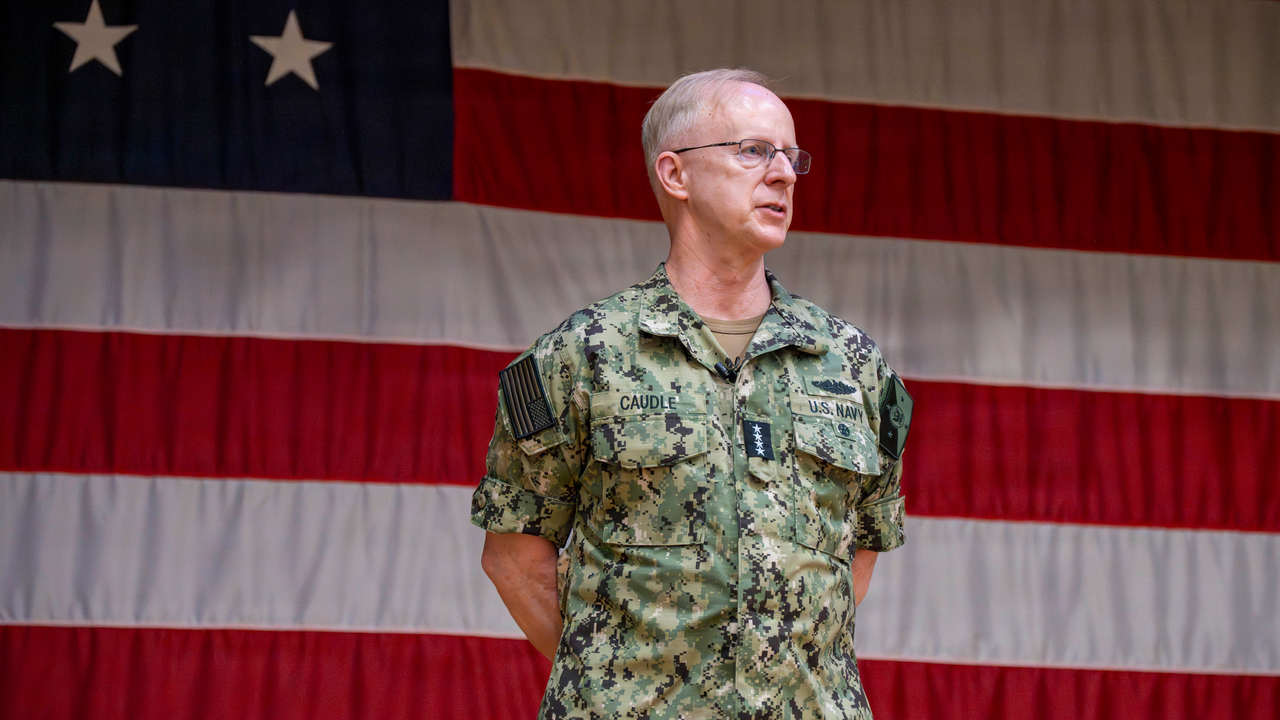
Admiral Daryl Caudle, the 34th Chief of Naval Operations and a seasoned advocate for directed energy technologies, has publicly articulated a comprehensive five-year roadmap for the widespread adoption of high-energy laser weapons across the U.S. Navy fleet. His vision, which he terms "laser on every ship," signifies a strategic pivot towards integrating advanced directed-energy capabilities as a standard armament. Admiral Caudle, who has a deep understanding of directed energy, is currently engaged in a significant media outreach effort to champion this initiative. The Navy's approach to achieving this ambitious goal is structured around two parallel tracks, designed to accelerate both immediate deployment and future development.
The first track prioritizes the rapid delivery of "useful directed-energy capability into the hands of sailors now." This immediate operationalization is being facilitated through the innovative use of containerized systems. These modular units can be more readily integrated onto existing naval vessels, significantly shortening the typical integration timelines associated with new weapon systems. This approach allows for crucial operational experimentation, enabling sailors to develop and refine the necessary tactics, training protocols, and maintenance practices. Furthermore, it fosters the accumulation of essential human expertise required as these advanced laser weapons mature and become more sophisticated.
Concurrently, the second track of the Navy's strategy is focused on a long-term, foundational integration of directed energy systems into the design of future warships. This proactive approach ensures that new vessels are conceived with the inherent requirements of high-power directed energy in mind from their inception. This includes provisioning for robust electrical generation systems capable of supplying immense power, advanced energy storage solutions to meet peak demands, effective cooling mechanisms to manage heat dissipation, seamless integration with existing combat systems, and specialized optical architectures designed to support significantly higher-power laser systems. Admiral Caudle has been explicit about the Navy's objective to transition from current capabilities, which are in the hundreds-of-kilowatts range, towards megawatt-class power levels, contingent upon technological advancements and engineering feasibility.
The ultimate aim of this strategic push, as articulated by Admiral Caudle, is not to conduct further technological demonstrations. Instead, the objective is to field reliable, maintainable, and combat-ready weapons that U.S. Navy sailors can confidently operate and employ effectively in real-world scenarios. To underscore the significance of this undertaking, Admiral Caudle drew parallels to pivotal historical investments in naval transformation. He cited Admiral Hyman Rickover's unwavering commitment to developing nuclear propulsion and Admiral Elmo Zumwalt Jr.'s visionary leadership in the creation of the Aegis combat system and the Mark 41 Vertical Launching System (VLS). These historical precedents highlight the necessity for similar long-term commitment and bold strategic bets from senior leadership to secure transformational capabilities like laser weaponry for the future of naval power. The information was presented in the context of responses to questions posed by "Laser Wars," a newsletter dedicated to military laser weapons and futuristic defense technology.
Original source — read the full reporting at the publisher:
Read on Fast CompanyGet the weekly AI digest
AI news + new model releases, weekly. Drafted by our agents, reviewed by humans.