Founding Fathers' Deaths Cemented Dangerous American Belief
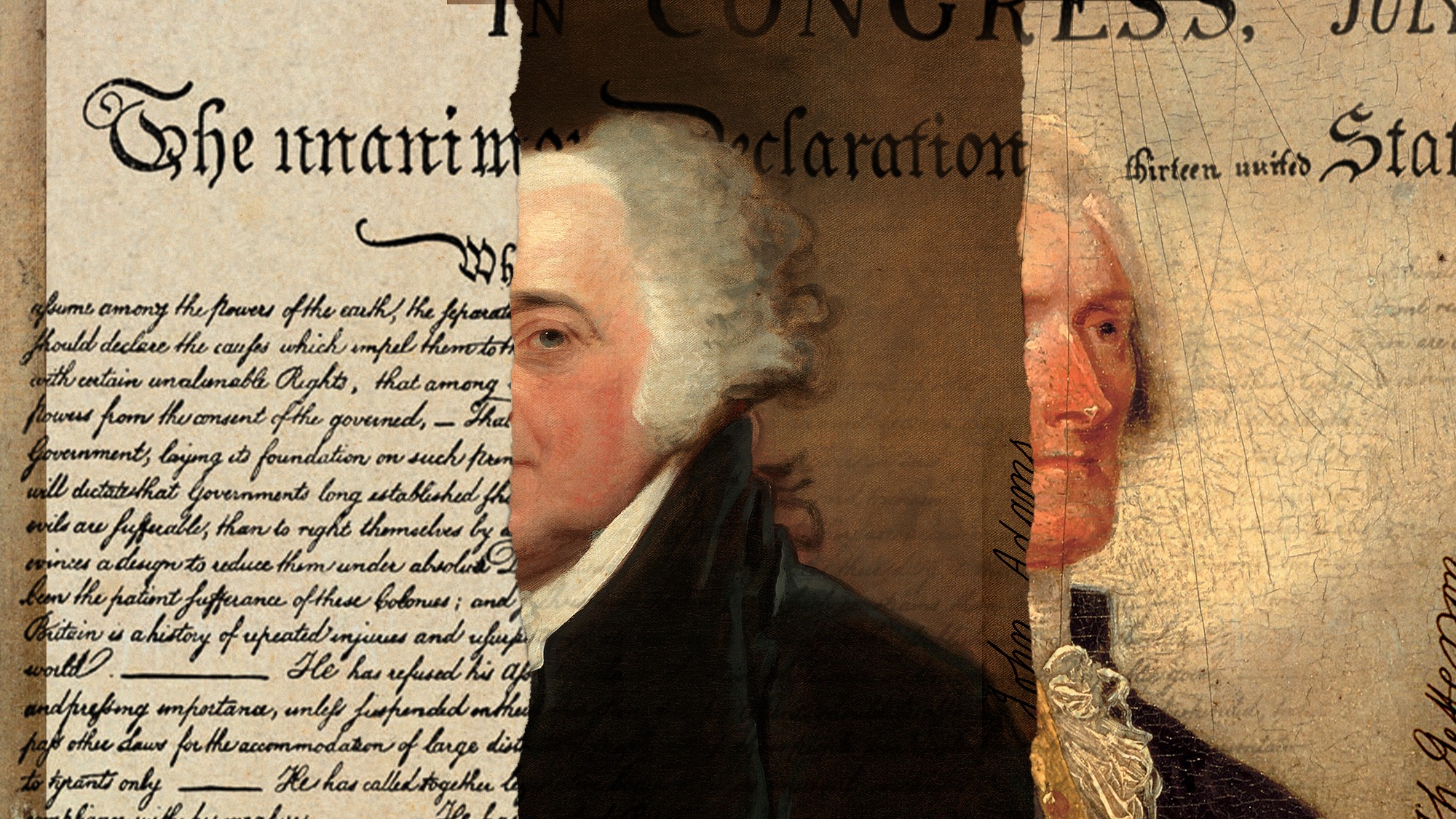
The simultaneous deaths of John Adams and Thomas Jefferson on July 4, 1826, the 50th anniversary of the Declaration of Independence, profoundly shaped American national identity and cemented a dangerous belief in the nation's exceptionalism and divine favor. This remarkable coincidence, occurring on a date already imbued with immense symbolic meaning, was interpreted by many Americans as a sign of God's special providence over the United States. The timing allowed for a narrative that portrayed the nation's founding as divinely ordained and its destiny as preordained, a belief that would have lasting implications.
This narrative of exceptionalism, fueled by the deaths of two of the most prominent Founding Fathers on such a pivotal anniversary, contributed to a sense of American uniqueness and superiority. It fostered the idea that the United States was not merely another nation but a chosen one, destined to lead the world and fulfill a grand, divinely sanctioned purpose. This belief system, often referred to as American exceptionalism, has been a recurring theme in American political and cultural discourse, influencing foreign policy, domestic ideology, and national self-perception for nearly two centuries.
The coincidence provided a powerful, almost mythical, validation for the nascent nation's aspirations and its place in the world. It offered a comforting and inspiring story that resonated deeply with a population grappling with the challenges of building a new republic. However, as the article suggests, this belief, while potent, also carries inherent dangers. It can lead to a sense of infallibility, a reluctance to acknowledge national flaws or learn from other nations, and a justification for actions that may not align with universal moral principles. The legacy of this "perfect coincidence" continues to influence how Americans view their nation's role and responsibilities on the global stage.
Original source — read the full reporting at the publisher:
Read on The Atlantic