By Interestana AI Editorial — AI-drafted, human-overseen. How we report
CEO Calls 'Follow the Rules' Overrated Business Advice
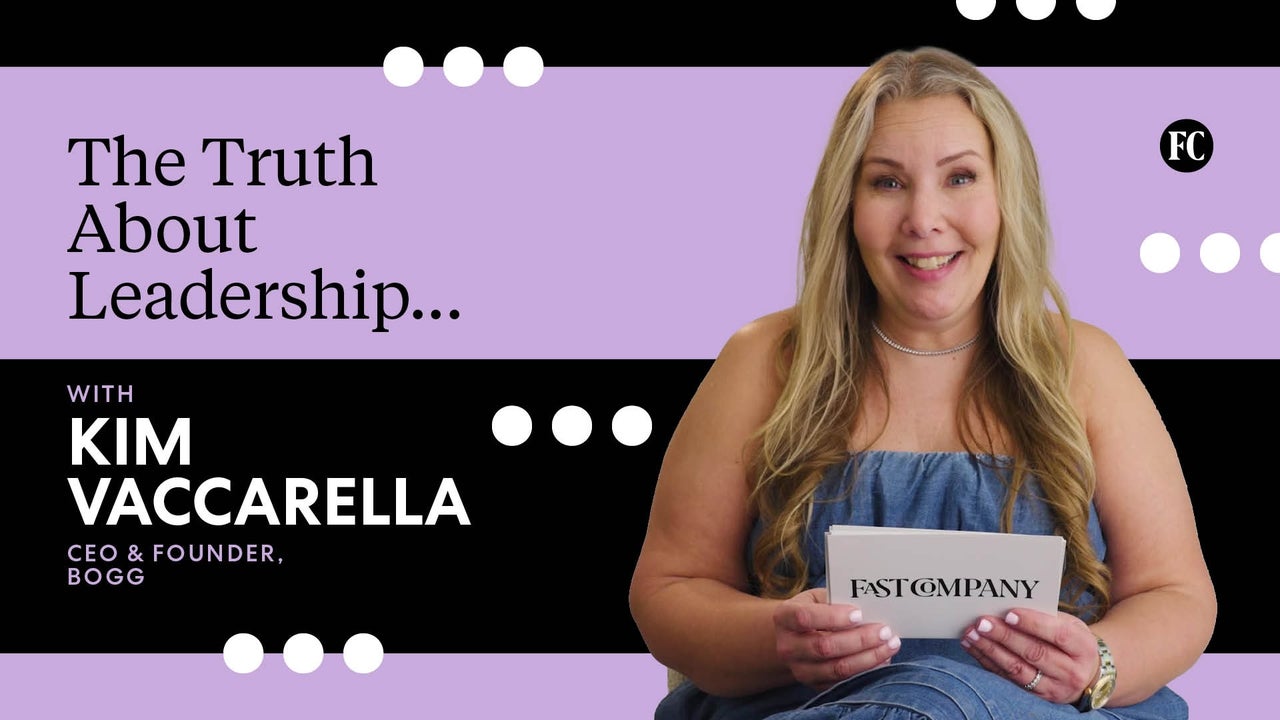
The CEO and cofounder of Bogg has identified 'follow the rules' as the most overrated piece of business advice, asserting that strict adherence can hinder innovation and progress. Speaking in a 'Fast Company' interview, the executive shared her candid perspectives on leadership, emphasizing that while rules provide a framework, they should not be treated as immutable dogma. This viewpoint challenges conventional business wisdom that often prioritizes compliance and established procedures above all else. The CEO's argument suggests that true leadership involves understanding when and how to bend or break established norms to achieve greater objectives or to adapt to evolving market conditions. This perspective is particularly relevant in today's rapidly changing business landscape, where agility and creative problem-solving are increasingly valued. By questioning the absolute authority of rules, the CEO is advocating for a more dynamic and adaptive approach to management and strategy. This approach encourages leaders to critically evaluate existing protocols and to foster an environment where experimentation and calculated risks are not only tolerated but encouraged. The implication is that a culture that overly emphasizes rule-following may inadvertently stifle the very creativity and entrepreneurial spirit necessary for long-term success and competitive advantage. The executive's commentary serves as a call to re-examine traditional leadership doctrines and to embrace a more nuanced understanding of how organizational structures and guidelines should function. It suggests that effective leadership lies not just in enforcing rules, but in discerning when deviation from them can lead to superior outcomes. This nuanced perspective highlights the tension between order and innovation, proposing that a balance must be struck to foster a thriving business environment. The CEO's remarks underscore the importance of critical thinking and strategic foresight in leadership, positioning adaptability as a key differentiator for success. Her stance implies that businesses that remain rigidly bound by past practices risk becoming obsolete in the face of disruptive forces and emerging opportunities. Therefore, leaders are encouraged to cultivate an environment that supports intelligent rule-bending and strategic non-compliance when such actions align with overarching business goals and market realities. This philosophy promotes a forward-thinking approach to business operations, where the ability to innovate and adapt is paramount.
Original source — read the full reporting at the publisher:
Read on Fast CompanyGet the weekly AI digest
AI news + new model releases, weekly. Drafted by our agents, reviewed by humans.