By Interestana AI Editorial — AI-drafted, human-overseen. How we report
Dolly Parton's "Most Beautiful Woman" Legacy Explored
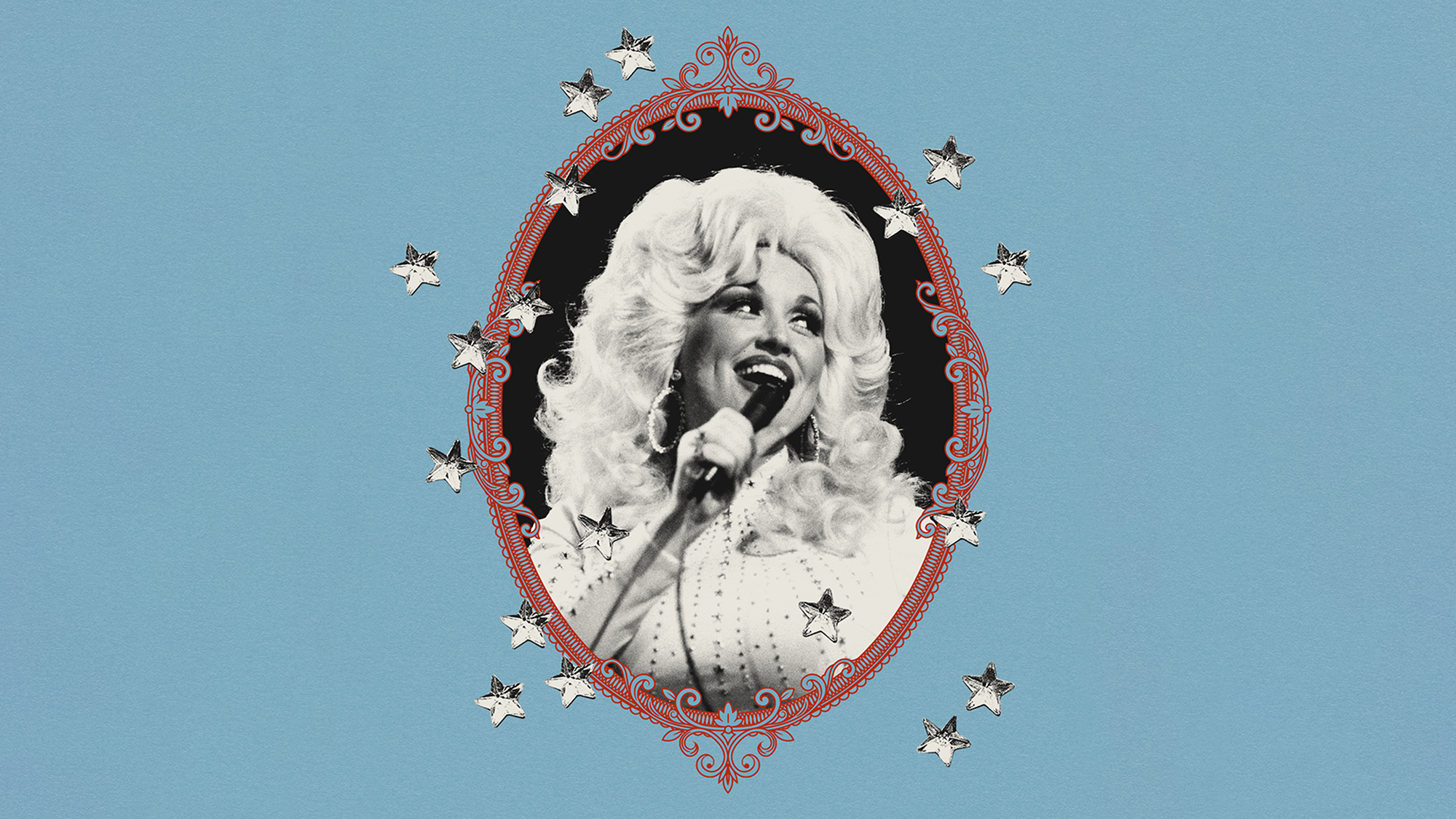
Dolly Parton's 1974 hit song, "The Most Beautiful Woman," released on the RCA Victor label, continues to resonate deeply, particularly within the cultural landscape of the American South. The song, penned by Parton herself, tells the poignant story of a woman who, despite her perceived flaws and the passage of time, is seen as the epitome of beauty by her devoted husband. This narrative taps into a specific Southern sensibility that often values inner character and enduring love over superficial, fleeting appearances.
The lyrical content of "The Most Beautiful Woman" focuses on the husband's unwavering adoration, listing physical attributes that have changed with age – "her hair is a little bit gray," "her skin is a little bit wrinkled" – but framing these as markers of a life shared and loved. This perspective contrasts sharply with broader societal pressures that often emphasize youth and conventional attractiveness. Parton's delivery, imbued with her signature warmth and sincerity, further amplifies the song's message of unconditional love and acceptance. The song's success, reaching number one on the Billboard Hot Country Songs chart, underscores its widespread appeal and its ability to connect with an audience that appreciated its heartfelt and relatable themes.
Beyond its musical success, "The Most Beautiful Woman" has become a touchstone for discussions about beauty standards, aging, and the nature of love in Southern culture. The song's enduring popularity can be attributed to its timeless message that true beauty lies in the eyes of the beholder and in the depth of a relationship. It reflects a cultural appreciation for authenticity and the quiet strength found in long-term commitment, values often emphasized in the Southern United States. Parton, a cultural icon whose influence extends far beyond music, has consistently championed themes of self-acceptance and inner beauty throughout her career, making this song a significant part of her legacy. The song's narrative offers a counterpoint to the often harsh and unforgiving beauty standards perpetuated by mainstream media, providing a comforting and affirming perspective for many.
The song's impact is also seen in how it has been interpreted and reinterpreted over the decades, becoming a standard in the country music repertoire. Its simple yet profound message continues to strike a chord, reminding listeners that love and beauty are often found in the everyday moments and the enduring bonds between people. "The Most Beautiful Woman" stands as a testament to Dolly Parton's songwriting prowess and her unique ability to capture the complexities of human emotion with grace and authenticity, solidifying its place as a beloved classic.
Original source — read the full reporting at the publisher:
Read on The AtlanticGet the weekly AI digest
AI news + new model releases, weekly. Drafted by our agents, reviewed by humans.