By Interestana AI Editorial — AI-drafted, human-overseen. How we report
Ebola Testing Lags in DRC Outbreak Response
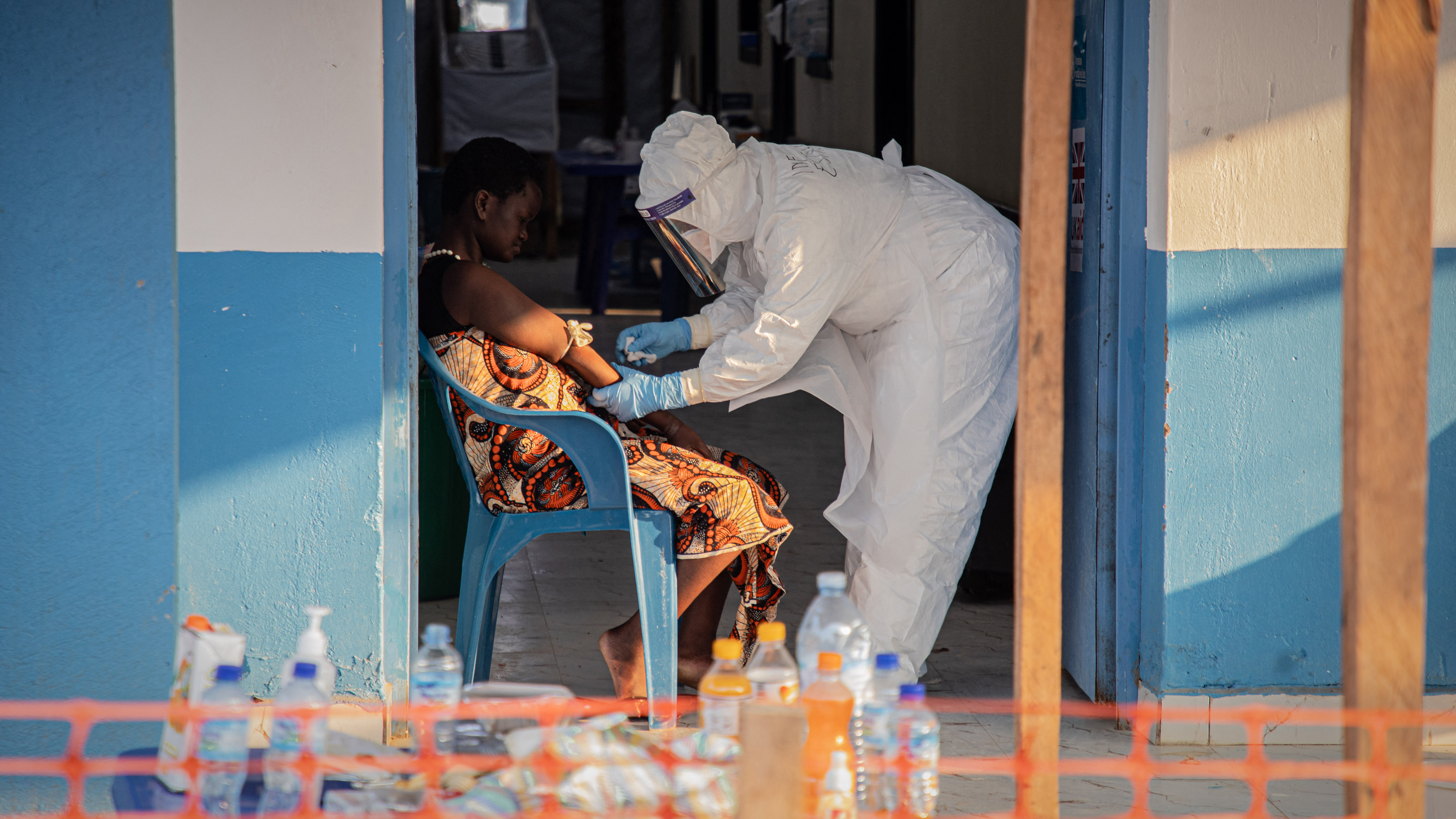
The response to the ongoing Ebola outbreak in the Democratic Republic of the Congo (DRC) is falling short on a fundamental aspect: testing. This deficiency in diagnostic capacity is a significant impediment to effectively controlling the spread of the virus. The World Health Organization (WHO) has set targets for the number of tests that should be conducted to adequately monitor and contain an outbreak, but the DRC has consistently failed to meet these benchmarks. This under-testing means that cases are likely going undetected, allowing the virus to spread further within communities before individuals are identified and isolated. The lack of widespread and rapid testing also delays the initiation of contact tracing efforts, a critical component of outbreak control. Without knowing who has been infected, it is impossible to identify and monitor their contacts, who may also be incubating the virus. This creates a blind spot in the response, enabling silent transmission chains to persist. Furthermore, insufficient testing can lead to a misperception of the outbreak's true scale. When fewer tests are performed, the reported number of cases may appear lower than the actual number, potentially leading to a premature relaxation of public health measures or a misallocation of resources. The DRC has faced numerous Ebola outbreaks over the past two decades, and while the country has developed significant expertise in managing these crises, the current situation highlights persistent challenges. These challenges include logistical hurdles in reaching remote populations, security concerns that can disrupt vaccination and testing campaigns, and sometimes, community mistrust or hesitancy towards health interventions. Addressing the testing deficit requires a multi-faceted approach. This includes investing in more laboratory capacity, ensuring a consistent supply of testing kits and reagents, training and deploying more healthcare workers for sample collection and testing, and implementing strategies to build trust and encourage community participation in testing efforts. The effectiveness of any Ebola response hinges on the ability to rapidly identify infected individuals, isolate them, and trace their contacts. When testing falls short, the entire response mechanism is weakened, making it significantly harder to bring an outbreak to an end. The current situation in the DRC underscores the critical need to prioritize and bolster diagnostic capabilities as a cornerstone of epidemic preparedness and response.
Original source — read the full reporting at the publisher:
Read on The AtlanticGet the weekly AI digest
AI news + new model releases, weekly. Drafted by our agents, reviewed by humans.