By Interestana AI Editorial — AI-drafted, human-overseen. How we report
US Federal Minimum Wage Hits 70-Year Low in Purchasing Power
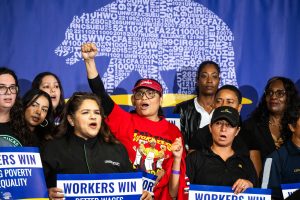
The U.S. federal minimum wage of $7.25 per hour has remained unchanged for 17 years, reaching its lowest purchasing power in 70 years. The Center for Economic and Policy Research (CEPR) highlighted in a recent post that this stagnation means the current wage floor has less buying power than it did in 1968. CEPR senior economist Sylvia Allegretto stated that this marks the longest period of inaction on the federal minimum wage since its inception in 1938, and that the current federal wage floor is "officially a poverty wage." Last year, a full-time worker earning the federal minimum wage fell below the Department of Health and Human Services' poverty threshold of $15,650.
The stagnant wage is occurring amidst a broader affordability crisis, characterized by inflation, high home prices, and rising childcare costs. Data from the Federal Reserve Bank of Atlanta indicates that wage growth has slowed, decreasing from a peak of 6.7% in July 2022 to 3.6% as of the previous month. This economic backdrop has intensified discussions around increasing the minimum wage.
Public opinion generally favors an increase, with a 2021 Pew Research Center survey showing 62% of Americans supporting a $15 minimum wage. While opposition exists, even those who opposed a $15 rate generally believed wages should be higher than the current $7.25. The push for higher wages has also become a significant issue for American voters. For instance, New York City Mayor Zohran Mamdani, a proponent of affordability platforms, proposed a $30 minimum wage during his mayoral campaign.
Original source — read the full reporting at the publisher:
Read on FortuneGet the weekly AI digest
AI news + new model releases, weekly. Drafted by our agents, reviewed by humans.