Trump Military Diversity Cuts Risk US Readiness
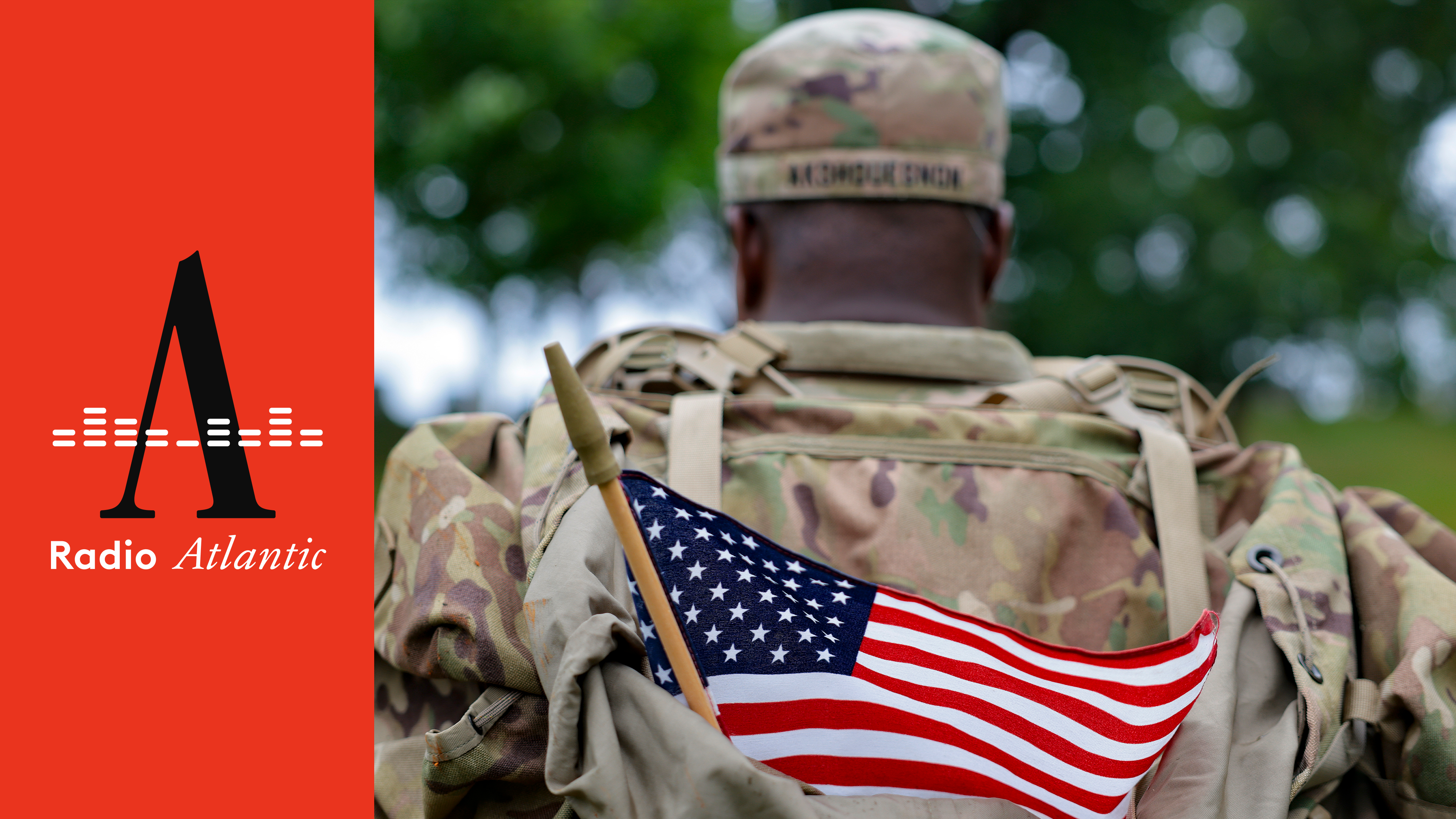
The Trump administration's approach to military personnel policies, particularly the rollback of diversity and inclusion initiatives, has drawn criticism for potentially undermining the readiness and effectiveness of the U.S. armed forces. These changes, implemented through executive orders and policy shifts, aim to reorient military culture away from what critics describe as "woke" ideologies, focusing instead on traditional military values and combat effectiveness.
Critics, including former military leaders and defense analysts, argue that reducing emphasis on diversity could hinder recruitment efforts by alienating a broader pool of potential service members. They point to studies and historical precedents suggesting that diverse forces are often more adaptable, innovative, and better equipped to understand and operate in complex global environments. The removal of specific programs designed to foster inclusivity is seen as a step backward, potentially impacting retention rates among underrepresented groups who may feel less valued or supported within the military structure.
Furthermore, the administration's stance on diversity is framed within a broader effort to reshape the military's public image and internal culture. This includes scrutinizing training materials, re-evaluating historical narratives, and emphasizing a more nationalistic and traditionalist ethos. Proponents of these changes assert that they are necessary to restore a clear focus on military mission and national security, free from what they perceive as politically motivated social agendas. They believe that a unified, ideologically aligned military is a stronger military.
However, the long-term consequences of these policy shifts remain a subject of debate. Concerns are being raised about the potential for a decline in the quality of recruits, a decrease in morale among existing service members, and a diminished capacity to engage with diverse populations globally. The debate highlights a fundamental tension between different visions for the modern military: one that prioritizes broad representation and adaptability, and another that emphasizes ideological uniformity and traditional combat readiness.
Original source — read the full reporting at the publisher:
Read on The Atlantic