By Interestana AI Editorial — AI-drafted, human-overseen. How we report
Supreme Court Decision Linked to Ceuta Migrant Disaster
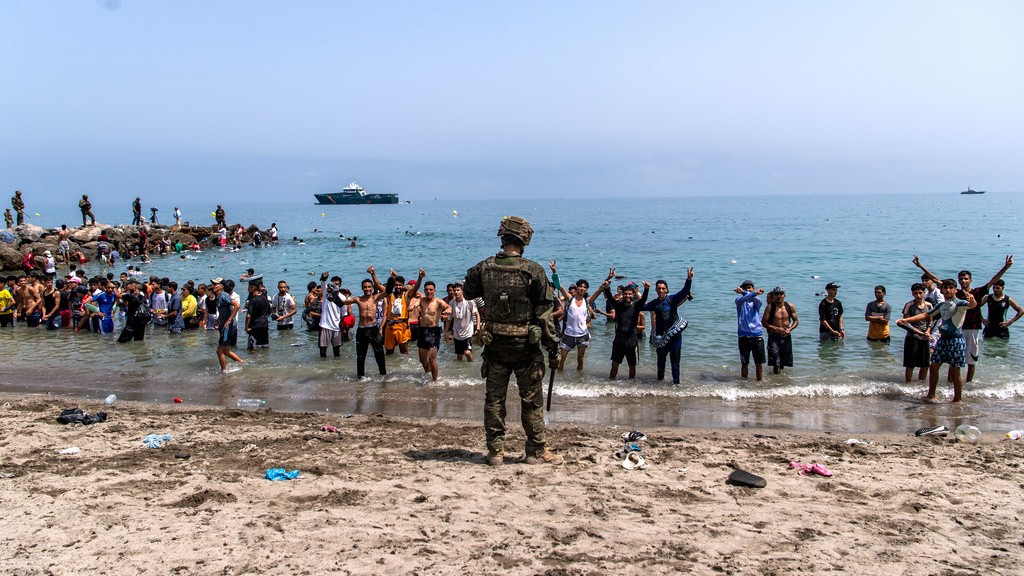
A significant Supreme Court decision concerning border control policies is being identified as a contributing factor to the tragic events that unfolded in Ceuta, where numerous migrants lost their lives. The ruling, which altered the legal framework for managing irregular border crossings, is alleged to have created conditions that exacerbated the crisis. This decision, handed down by Spain's highest court, is said to have influenced the operational capacity and strategic approach of border enforcement agencies tasked with preventing unauthorized entry into the Spanish enclave of Ceuta, located on the northern coast of Africa. The specific details of the Supreme Court's judgment, while aimed at clarifying legal responsibilities, have been interpreted by some observers as inadvertently enabling or failing to adequately deter large-scale, perilous attempts at crossing the border.
The events in Ceuta involved a mass attempt by migrants, primarily from sub-Saharan African countries, to breach the fortified border fence separating the territory from Morocco. Reports indicate that thousands of individuals, driven by desperation and the hope of reaching European soil, converged on the border. The ensuing confrontation with security forces, characterized by intense pressure and a lack of effective crowd management, resulted in a stampede and the tragic deaths of at least 23 migrants. Many others sustained injuries. The scale of the influx overwhelmed the existing security measures, leading to a chaotic and deadly situation. The aftermath saw widespread criticism of both Spanish and Moroccan authorities for their handling of the crisis, with questions raised about the adequacy of resources and the effectiveness of their coordinated response.
Human rights organizations and international bodies have voiced grave concerns regarding the incident, calling for thorough investigations into the circumstances surrounding the deaths and advocating for more humane and effective migration policies. They argue that such tragedies are symptomatic of deeper issues, including the lack of safe and legal pathways for migration, ongoing political instability in regions of origin, and the often-brutal realities of border enforcement. The Supreme Court's decision, in this context, is seen by some as a legalistic approach that may not fully account for the humanitarian dimensions of migration and the complex socio-economic factors driving individuals to undertake such perilous journeys. The debate continues regarding the balance between national sovereignty, border security, and the fundamental human rights of migrants and asylum seekers. The incident has reignited discussions about European Union border policies and the responsibilities of member states in managing migration flows.
Original source — read the full reporting at the publisher:
Read on The AtlanticGet the weekly AI digest
AI news + new model releases, weekly. Drafted by our agents, reviewed by humans.