By Interestana AI Editorial — AI-drafted, human-overseen. How we report
Midterm Elections Crucial for Business Leaders
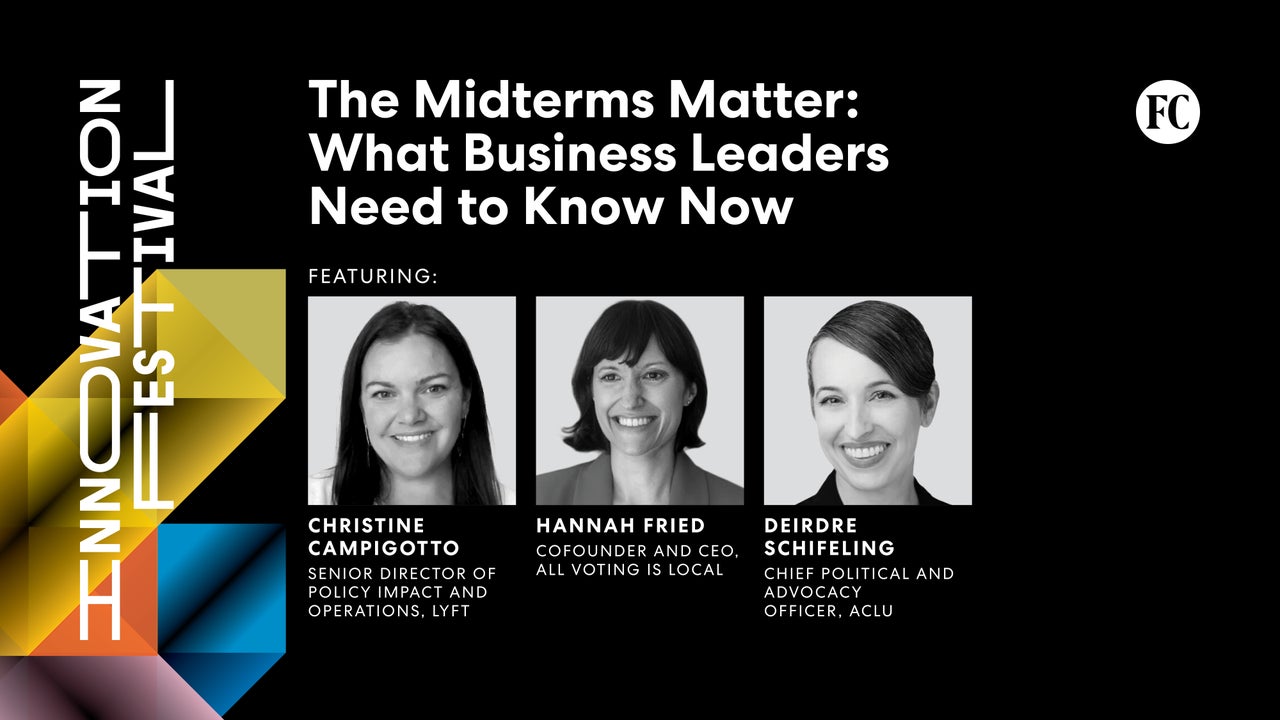
The 2026 midterm elections are poised to be a pivotal event with substantial consequences for business leaders, extending beyond the immediate political landscape to directly influence economic and regulatory frameworks. The outcomes of these elections are anticipated to reshape policies that govern critical areas such as international trade, immigration laws, the trajectory of technological development, and the broader economic environment. Business leaders are advised to closely monitor these developments as they are expected to have a direct bearing on corporate strategies and operational landscapes.
Furthermore, the significance of state-level elections cannot be overstated, as states are increasingly assuming a more prominent role in establishing their own regulatory policies. This trend means that companies may face a patchwork of rules on issues as diverse as artificial intelligence (AI) development and deployment, data privacy standards, and environmental regulations pertaining to climate change and energy. The potential for divergent state-level policies creates a complex compliance and operational challenge for businesses operating across multiple jurisdictions. Understanding these state-specific dynamics will be crucial for navigating the evolving business environment.
This analysis will delve into the underlying political forces and the voting dynamics that are shaping the upcoming midterm elections. It aims to provide business leaders with a clear understanding of what key issues and trends they should be observing. The focus will be on identifying the electoral patterns and political undercurrents that are likely to translate into tangible policy shifts. By examining these factors, businesses can better prepare for potential changes and adapt their strategies accordingly to mitigate risks and capitalize on emerging opportunities.
The implications for business are multifaceted, touching upon areas such as market access, labor availability, innovation incentives, and the cost of doing business. For instance, shifts in trade policy could impact supply chains and international market competitiveness, while changes in immigration law might affect workforce availability and talent acquisition. Similarly, evolving regulations in technology, particularly concerning AI and data, could influence research and development investments and the adoption of new technologies. The economic policies enacted by elected officials will also play a significant role in shaping the overall business climate, affecting factors like inflation, interest rates, and consumer spending.
In essence, the 2026 midterm elections represent a critical juncture where political decisions will directly translate into the operational and strategic realities for businesses. Proactive engagement and informed observation of the electoral process and its potential policy ramifications are therefore essential for business leaders seeking to maintain resilience and foster growth in the coming years. The panel will provide insights into these critical areas, equipping leaders with the knowledge to navigate the complex interplay between politics and business.
Original source — read the full reporting at the publisher:
Read on Fast CompanyGet the weekly AI digest
AI news + new model releases, weekly. Drafted by our agents, reviewed by humans.