By Interestana AI Editorial — AI-drafted, human-overseen. How we report
Met Museum's Fashion Show Criticized for Featuring Living Designers
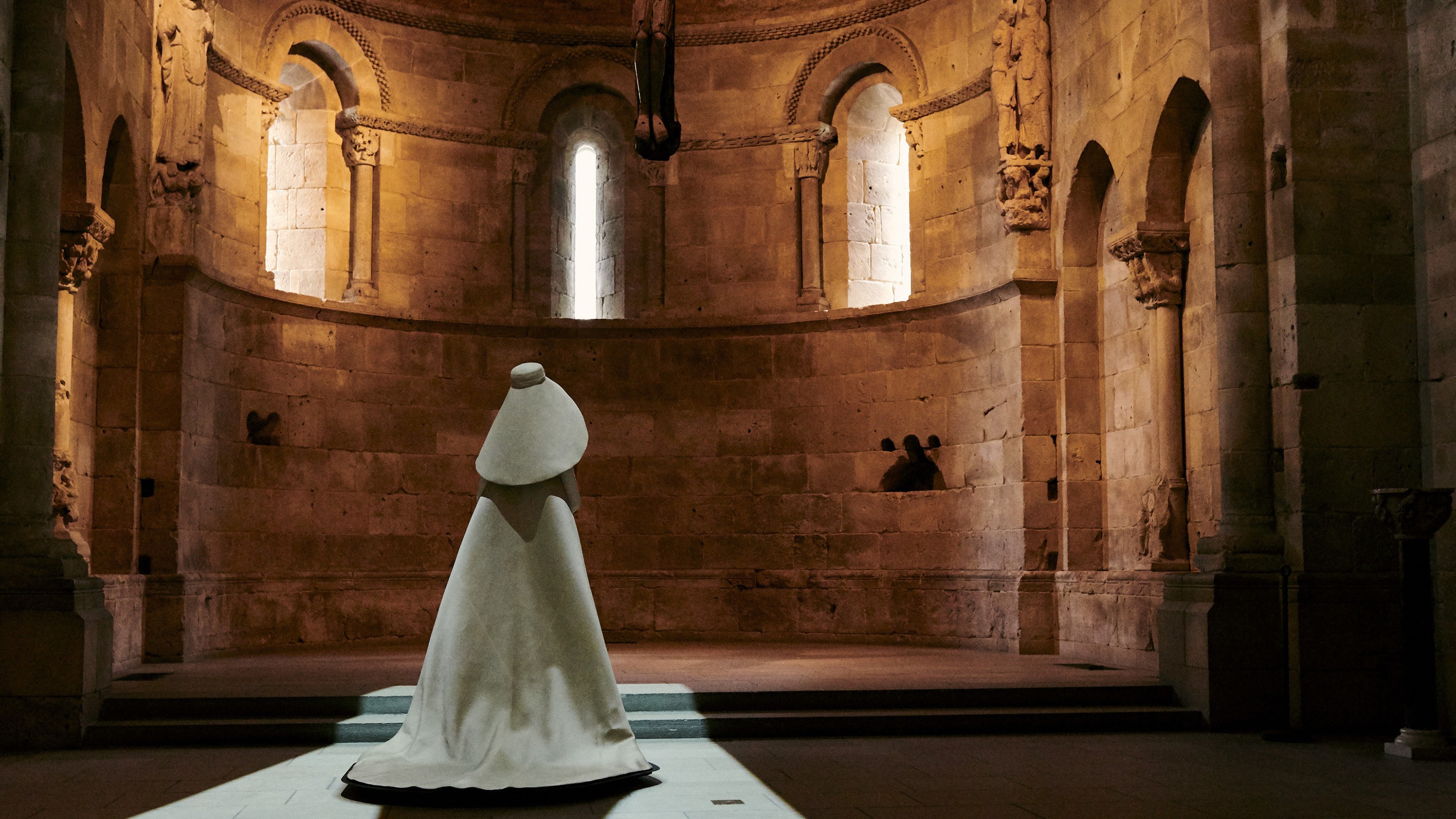
The Metropolitan Museum of Art's decision to feature living fashion designers in its exhibitions has sparked debate about the museum's role in contemporary art and fashion curation. Critics suggest that by focusing on currently active designers, the Met risks blurring the lines between a historical archive and a commercial platform, potentially compromising the integrity of fashion as an art form. This approach contrasts with traditional museum practices that often prioritize retrospective examinations of established artists and historical movements.
The exhibition "Sleeping Beauties: Reawakening Fashion," which opened on May 6, 2024, and runs until September 2, 2024, features approximately 250 garments and accessories from the Met's permanent collection. While the exhibition aims to explore the ephemeral nature of fashion and its connection to nature, the inclusion of contemporary designers within this framework has been a point of contention. The museum's Costume Institute, led by Andrew Bolton, has increasingly focused on living designers in recent years, a trend that some argue deviates from a purely scholarly or historical mission.
This curatorial direction raises questions about the Met's responsibility in defining what constitutes significant fashion history. By giving prominent space to living designers, the museum may inadvertently elevate current trends and commercial interests over a more considered, long-term assessment of fashion's artistic and cultural impact. The argument is that a museum should serve as a critical lens, offering historical context and scholarly analysis, rather than acting as a direct promoter of contemporary commercial endeavors. The potential for bias and the difficulty in objectively assessing the lasting significance of living artists' work are central to these concerns.
Furthermore, the financial implications of such exhibitions are often substantial, with blockbuster shows like the Met Gala-associated fashion exhibitions drawing significant attention and revenue. Critics worry that the pursuit of commercial success and public engagement might be influencing curatorial decisions, leading to a focus on designers who generate buzz rather than those whose work has demonstrably stood the test of time. The debate centers on whether the Met's mission should be to preserve and interpret fashion history or to actively shape its present and future, and the potential consequences of prioritizing the latter.
Original source — read the full reporting at the publisher:
Read on The AtlanticGet the weekly AI digest
AI news + new model releases, weekly. Drafted by our agents, reviewed by humans.