By Interestana AI Editorial — AI-drafted, human-overseen. How we report
Mediterranean Diet Praised, Americans Face Barriers
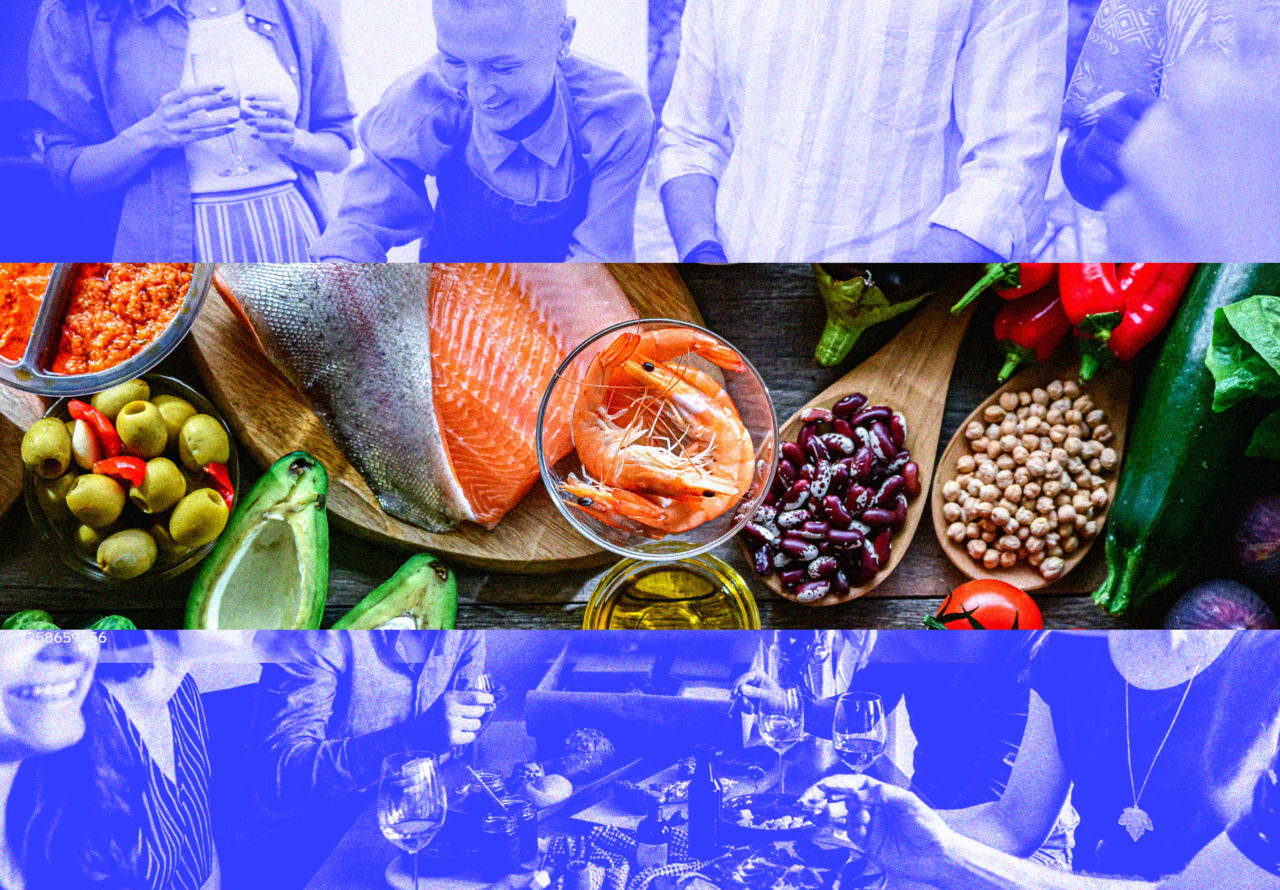
The Mediterranean diet is widely recognized as one of the healthiest dietary patterns globally, emphasizing whole foods, healthy fats, and social eating. Its core principles include high consumption of fruits, vegetables, whole grains, legumes, nuts, and seeds, with olive oil as the primary source of added fat. Fish and poultry are consumed in moderation, while red meat and sweets are limited. Beyond food choices, the diet also promotes a lifestyle that includes regular physical activity and shared meals with loved ones, fostering social connection and mindful eating.
Despite its proven health benefits, including reduced risk of heart disease, stroke, type 2 diabetes, and certain cancers, Americans face considerable challenges in adopting and maintaining this eating pattern. A primary barrier is the deeply ingrained Western dietary habits, which often favor processed foods, high sugar content, and larger portion sizes. The fast-paced American lifestyle also contributes to difficulties, with a prevalence of convenience foods and less time dedicated to home cooking and family meals. The cultural emphasis on individual eating rather than communal dining further contrasts with the social aspect integral to the Mediterranean way of life.
Economic factors also play a role. While many staple Mediterranean foods like legumes and seasonal produce can be affordable, the cost of fresh, high-quality ingredients, particularly certain types of fish and olive oil, can be prohibitive for some households. Furthermore, the widespread availability and aggressive marketing of less healthy, highly palatable processed foods create a challenging food environment. Navigating nutritional information and understanding the nuances of a truly Mediterranean diet, which is more than just a list of foods but a holistic lifestyle, requires education and sustained effort.
Overcoming these hurdles necessitates a multi-faceted approach. Public health initiatives could focus on educating Americans about the benefits and practical implementation of the Mediterranean diet, offering resources for affordable meal planning and home cooking. Promoting community-based initiatives that encourage shared meals and social interaction around food could also help replicate the lifestyle aspect. Addressing the food industry's role in promoting healthier options and making them more accessible is crucial. Ultimately, a shift in cultural norms and individual priorities towards valuing home-cooked meals, social connection, and long-term health is essential for Americans to fully embrace the Mediterranean diet's advantages.
Original source — read the full reporting at the publisher:
Read on MarketWatchGet the weekly AI digest
AI news + new model releases, weekly. Drafted by our agents, reviewed by humans.