By Interestana AI Editorial — AI-drafted, human-overseen. How we report
Arizona Town Capped Growth Amid Colorado River Water Crisis
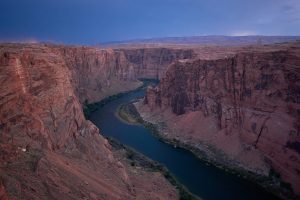
Cave Creek, Arizona, a desert community of approximately 5,000 residents, has implemented growth restrictions and reactivated dormant wells in response to the escalating water crisis affecting the Colorado River. The town secures nearly all of its water supply from this vital river, which serves an estimated 40 million people across the U.S. West but has been significantly depleted due to climate change, increased demand, and overuse. This year, Cave Creek was compelled to enact water usage cuts, and further reductions are anticipated under a new federal plan designed to address the crisis. Mayor Robert Morris of Cave Creek characterized the situation as akin to preparing for a meteor strike, stating, "You can see it coming, but you can’t get out of the way and you don’t know what the damage is going to be." This uncertainty permeates the seven U.S. states, tribal nations, and Mexico that depend on the Colorado River. Farmers are re-evaluating crop investments, while cities like Phoenix face the potential for the first-time diversion of municipal and industrial water to backup sources, possibly leading to increased costs for residents. Adding to the escalating tensions, Nevada initiated legal action this week against the U.S. Department of the Interior and the U.S. Bureau of Reclamation. The state argues that its basic water needs in the Las Vegas region will be unmet if it is forced to absorb planned reductions of up to 70% of its Colorado River water allocation over the next decade. The Bureau of Reclamation has stated it does not comment on ongoing litigation. Tom Buschatzke, director of the Arizona Department of Water Resources, expressed concern about the persistent and worsening uncertainty surrounding water availability. The U.S. West's water storage relies heavily on reservoirs, aquifers, and snowpacks. However, a prolonged period of low snowfall has diminished the capacity of these sources to replenish water supplies. The health of the Colorado River system is often gauged by the water levels in its two largest reservoirs: Lake Mead and Lake Powell. Both of these critical reservoirs reached record low levels this month, underscoring the severity of the drought conditions. The situation highlights the complex challenges faced by communities in the arid Western United States as they grapple with dwindling water resources and the impacts of climate change.
Original source — read the full reporting at the publisher:
Read on FortuneGet the weekly AI digest
AI news + new model releases, weekly. Drafted by our agents, reviewed by humans.