By Interestana AI Editorial — AI-drafted, human-overseen. How we report
Trump's UN Speech Aligns With Putin, Xi Visions
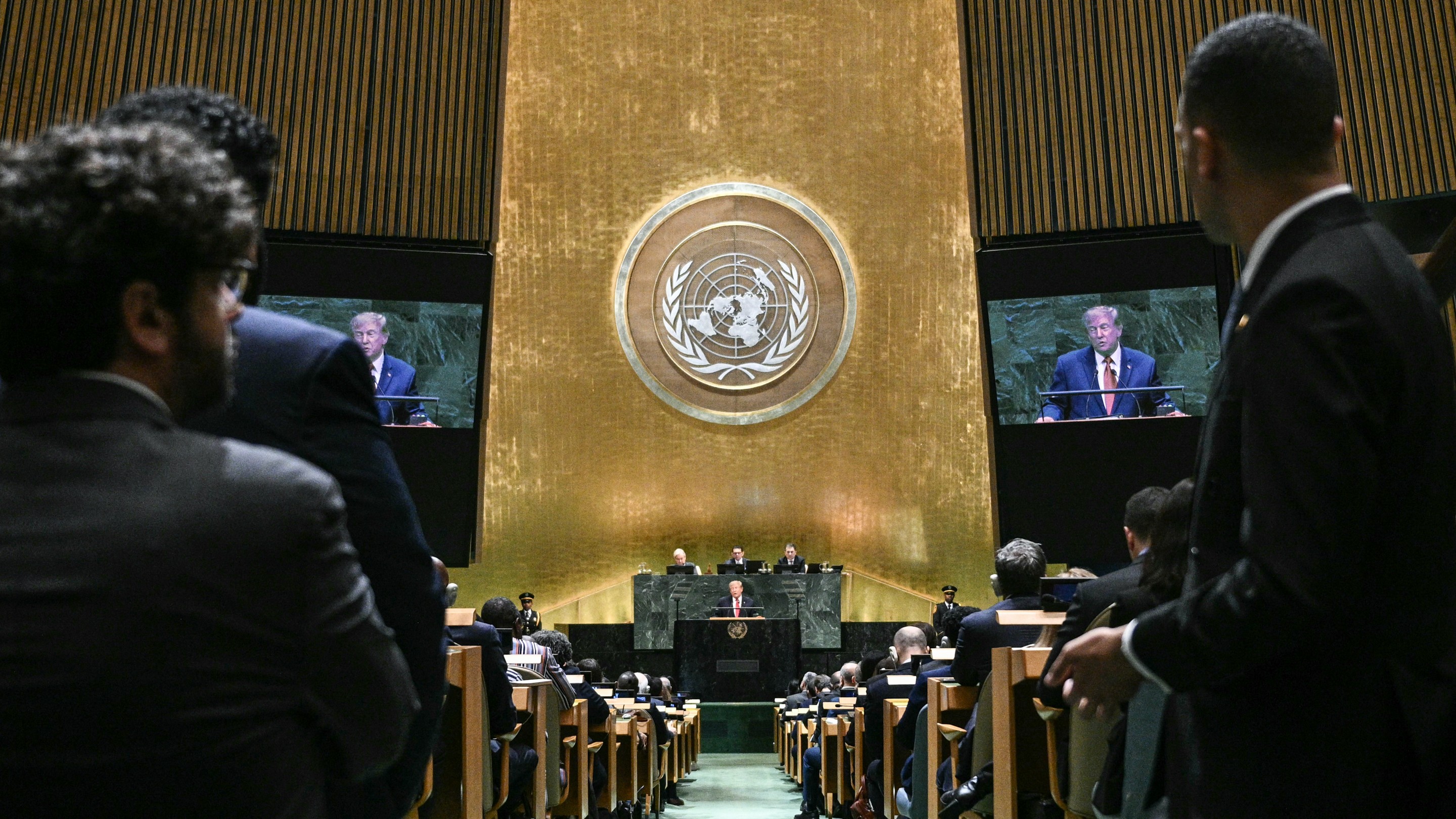
President Trump's address to the United Nations on September 25, 2024, articulated a foreign policy vision that observers noted shares significant common ground with the stated objectives of Russian President Vladimir Putin and Chinese President Xi Jinping. The speech, delivered at the 79th session of the UN General Assembly, focused on themes of national sovereignty, economic nationalism, and a critique of existing international institutions and alliances. Trump emphasized a transactional approach to international relations, prioritizing bilateral deals over multilateral agreements and suggesting a re-evaluation of long-standing security commitments.
This alignment of rhetoric and policy priorities between the leaders of the United States, Russia, and China has been a subject of increasing analysis by foreign policy experts. Putin has consistently advocated for a multipolar world order, challenging the post-World War II international system dominated by the United States and its allies. Xi Jinping, meanwhile, has promoted China's vision of global governance through initiatives like the Belt and Road Initiative and has sought to increase China's influence in international organizations. Trump's "America First" agenda, with its skepticism towards global cooperation and emphasis on national interests, appears to resonate with these broader geopolitical shifts.
The implications of this perceived convergence are significant for the existing global order. A potential reduction in American engagement in international security frameworks, coupled with a more assertive stance from Russia and China, could lead to a fragmentation of alliances and a rise in regional power blocs. This scenario raises concerns about increased geopolitical instability, trade disputes, and a weakening of international norms and institutions designed to promote peace and cooperation. The speech also touched upon economic policies, with Trump reiterating his commitment to protectionist measures and bilateral trade agreements, which could further reshape global trade dynamics.
Analysts suggest that this convergence could manifest in various ways, including a reduced emphasis on democratic values in foreign policy, a greater tolerance for authoritarian regimes, and a reshaping of global supply chains. The United Nations itself, a cornerstone of multilateral diplomacy, could face further challenges to its authority and effectiveness if major powers increasingly prioritize their own national interests over collective action. The long-term consequences of this evolving geopolitical landscape remain uncertain, but the speech signals a potential inflection point in international relations, moving towards a more fragmented and competitive global environment.
Original source — read the full reporting at the publisher:
Read on The AtlanticGet the weekly AI digest
AI news + new model releases, weekly. Drafted by our agents, reviewed by humans.