By Interestana AI Editorial — AI-drafted, human-overseen. How we report
The Living Dead: Can Hyper-Realistic Avatars Replace Live Performance?
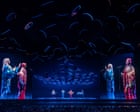
The entertainment industry is on the cusp of a significant transformation, driven by advancements in digital technology that are making avatars increasingly lifelike. Unit1 Studio, a company at the forefront of avatar concert production, is investing heavily in creating "hyper-realistic avatar-entertainment." CEO Barney Wragg articulated the company's ambitious vision in a recent interview, detailing their focus on simulating incredibly subtle human biological responses. These include the precise way tears evaporate between blinks and the nuanced changes in subcutaneous blood flow. Wragg explained that these granular details are crucial for making digital characters appear truly alive when they express emotions such as laughter, smiling, or speaking, causing their flesh to change color in a manner indistinguishable from a real human. This pursuit of unparalleled realism aims to elevate the current capabilities of digital avatars beyond what has been seen before.
Digital avatars are no longer a novel concept in entertainment. We have already witnessed their use in performances by iconic figures such as Tupac Shakur, whose hologram appeared at the Coachella Festival in 2012, and the Swedish pop group ABBA, whose "ABBA Voyage" concert, launched in 2022, features digital avatars of the band members performing to a live audience. More recently, the late opera legend Maria Callas has also been brought back to the stage through holographic performances. The success of "ABBA Voyage," in particular, serves as a significant benchmark and a clear indicator of the market's appetite for such experiences. Unit1 Studio plans to build upon this success, envisioning a future filled with "hybrid" concerts that seamlessly blend living performers with digital versions of musicians, including those who are no longer alive. This strategy suggests a paradigm shift where audiences might be willing to pay substantial sums to witness performances by digital replicas of beloved artists, effectively resurrecting them for the stage.
Unit1 Studio recently secured a substantial investment, reportedly £15 million, to accelerate the development and rollout of its advanced avatar technologies. This significant funding injection is specifically earmarked for creating digital versions of musicians, encompassing both living artists and those who have passed away. The company's ambition extends beyond existing holographic or avatar performances by integrating a deeper level of biological simulation. The ultimate goal is to create an immersive and emotionally resonant experience that blurs the lines between digital and physical performance, potentially reshaping the future of live music events and the economic models of the concert industry. However, this technological leap raises profound questions about the value of authentic human connection in live performance and whether these hyper-realistic digital specters truly offer a satisfying substitute for the irreplaceable energy of a flesh-and-blood artist.
Original source — read the full reporting at the publisher:
Read on The Guardian CultureGet the weekly AI digest
AI news + new model releases, weekly. Drafted by our agents, reviewed by humans.