By Interestana AI Editorial — AI-drafted, human-overseen. How we report
Yayoi Kusama's Art Explores Limits of Visibility
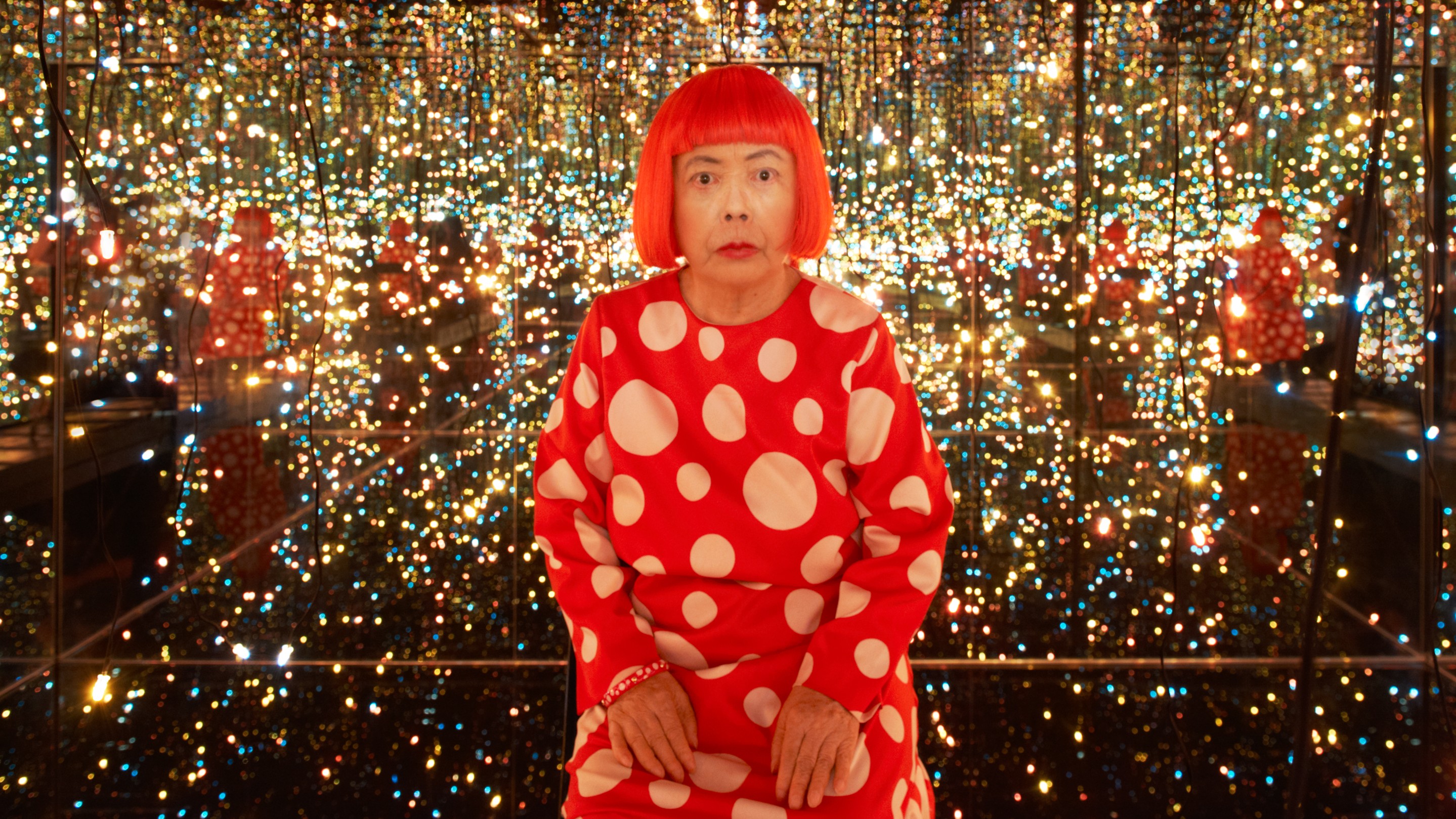
Yayoi Kusama, an artist celebrated for her avant-garde approach to perception and the infinite, has reached a unique juncture where her once-subversive work is now globally recognized and widely commodified. Her signature polka dots, pumpkins, and immersive infinity rooms, which initially aimed to challenge conventional ways of seeing and experiencing reality, have become iconic symbols embraced by a mass audience. This widespread popularity, while a testament to her artistic impact, also raises questions about the potential dilution of her original intent and the transformation of her art from a radical critique into a widely accessible cultural phenomenon.
Kusama's early career was marked by a desire to break down the boundaries between the artwork and the viewer, encouraging a sense of shared experience and psychological immersion. Her installations, such as the Infinity Mirror Rooms, were designed to disorient and expand the viewer's perception of space and self, often reflecting themes of obliteration and cosmic connection. These works were intended to be deeply personal and transformative encounters, pushing the limits of what art could be and how it could affect the individual. The radical nature of her vision was a direct challenge to the established art world and societal norms, offering a unique lens through which to view the world.
However, the immense global success of Kusama's exhibitions in recent years has led to a significant shift in how her art is consumed. Her exhibitions frequently draw massive crowds, with visitors often prioritizing capturing photographs for social media over deep engagement with the artwork. This phenomenon has led to discussions about whether the art has become secondary to the experience of being seen with the art, turning the immersive installations into backdrops for personal branding. The very accessibility that makes her work so popular also risks undermining the profound, introspective, and sometimes unsettling qualities that defined her early artistic explorations. The challenge now lies in navigating the tension between her enduring artistic vision and the demands of a global, image-driven culture.
The commodification of Kusama's art, evident in the proliferation of merchandise and the high demand for exhibition tickets, further complicates her legacy. While commercial success can provide resources and wider reach, it also risks trivializing the complex philosophical and psychological underpinnings of her work. The artist's journey from a counter-cultural provocateur to a global art superstar highlights a broader trend in contemporary art, where the line between profound artistic statement and popular entertainment continues to blur. Kusama's enduring influence is undeniable, but the question remains whether the overwhelming visibility of her art has inadvertently limited the very ways of seeing she once sought to expand.
Original source — read the full reporting at the publisher:
Read on The AtlanticGet the weekly AI digest
AI news + new model releases, weekly. Drafted by our agents, reviewed by humans.