By Interestana AI Editorial — AI-drafted, human-overseen. How we report
Watergate's Legacy: A Lesson Unlearned
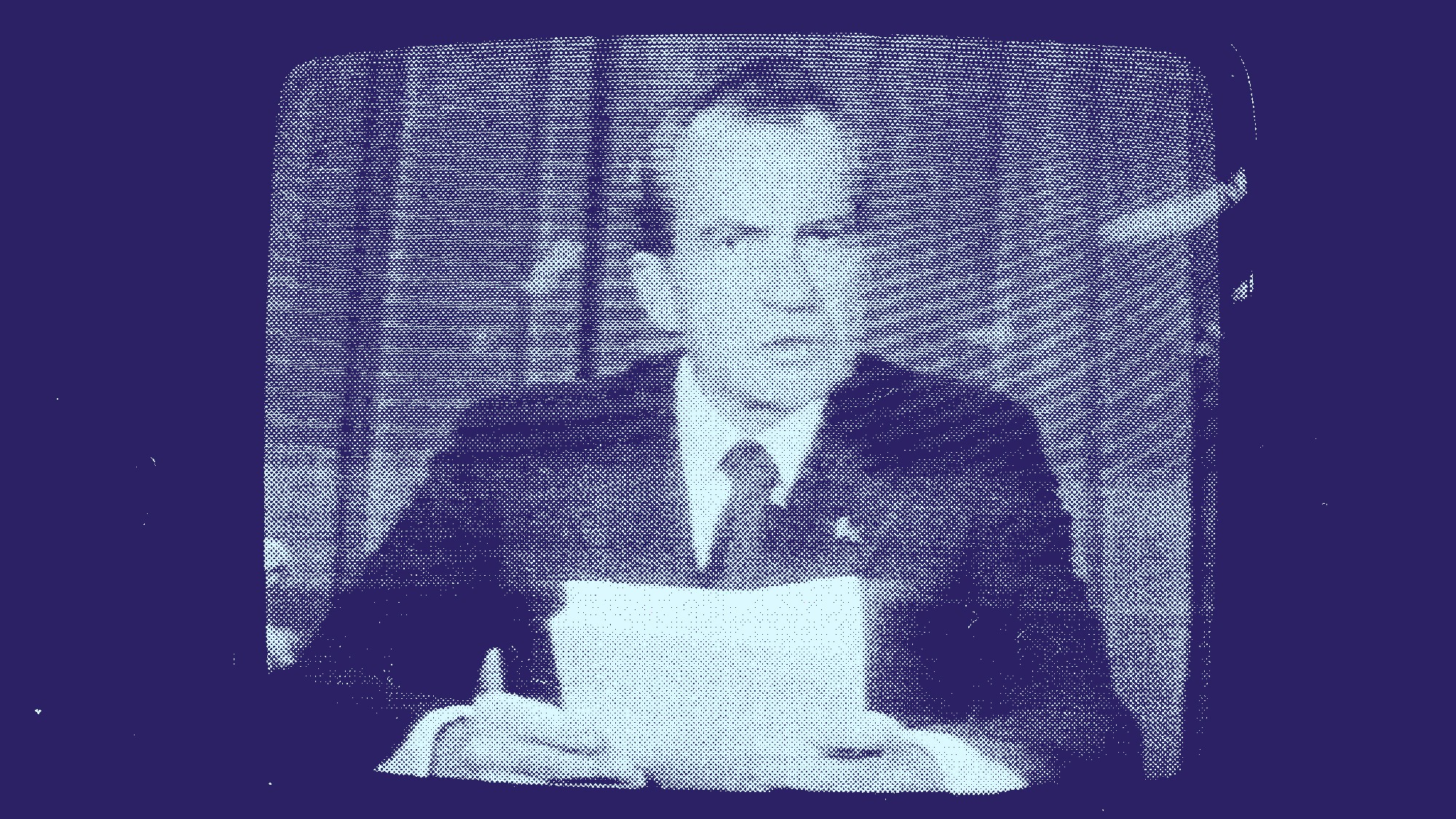
Arthur M. Schlesinger Jr., a historian and former aide to President John F. Kennedy, believed that the 1974 resignation of President Richard Nixon following the Watergate scandal would serve as a profound and lasting deterrent against future presidential misconduct. In his 1974 book, "The Imperial Presidency," Schlesinger argued that the exposure of Nixon's abuses of power, including illegal surveillance, obstruction of justice, and the use of government agencies for political retribution, would fundamentally alter the relationship between the presidency and the public, fostering a new era of presidential accountability. He posited that the public's outrage and the subsequent impeachment proceedings would instill a deep-seated caution in future occupants of the Oval Office, ensuring they would operate within constitutional and ethical boundaries.
However, Schlesinger's optimistic assessment proved to be a miscalculation. The decades following Watergate have seen a series of presidential scandals and controversies that, in many ways, echo the tactics and justifications employed during the Nixon administration, albeit with different contexts and targets. These subsequent events, ranging from the Iran-Contra affair under President Ronald Reagan to the impeachment proceedings against President Bill Clinton and the controversies surrounding President George W. Bush's administration and President Donald Trump's presidency, suggest that the lessons of Watergate were either not fully absorbed or were actively disregarded. Instead of serving as a definitive cautionary tale, Watergate appears to have, in some respects, provided a playbook for presidential overreach, demonstrating how executive power can be stretched, manipulated, and defended, even in the face of public scrutiny and legal challenges.
Schlesinger's analysis in "The Imperial Presidency" detailed the expansion of presidential power throughout the 20th century, particularly in areas of foreign policy and national security, which he argued created fertile ground for abuses. The Watergate scandal, in his view, was a critical juncture where this unchecked power was exposed and, he hoped, curtailed. The scandal involved a break-in at the Democratic National Committee headquarters at the Watergate complex in Washington, D.C., in June 1972, and the subsequent cover-up orchestrated by the Nixon administration. The revelations led to extensive investigations, including by the Senate Watergate Committee, and ultimately to Nixon's resignation on August 9, 1974, to avoid certain impeachment and removal from office.
The failure of Watergate to permanently curb presidential abuses can be attributed to several factors. The highly partisan nature of American politics means that presidents often find strong defenders who are willing to overlook or downplay transgressions. Furthermore, the evolution of media and communication technologies has changed how scandals are reported and perceived, sometimes leading to a rapid news cycle that can overshadow long-term consequences. The legal and constitutional mechanisms designed to hold presidents accountable, while robust, can also be subject to interpretation and political maneuvering. Consequently, the "imperial presidency" that Schlesinger warned about has continued to be a subject of debate and concern, with each subsequent administration facing its own set of challenges regarding the balance of power and executive accountability, suggesting that the profound lesson of Watergate may have been lost on those who followed.
Original source — read the full reporting at the publisher:
Read on The AtlanticGet the weekly AI digest
AI news + new model releases, weekly. Drafted by our agents, reviewed by humans.