By Interestana AI Editorial — AI-drafted, human-overseen. How we report
Conservative Legal Movement Marks 44 Years
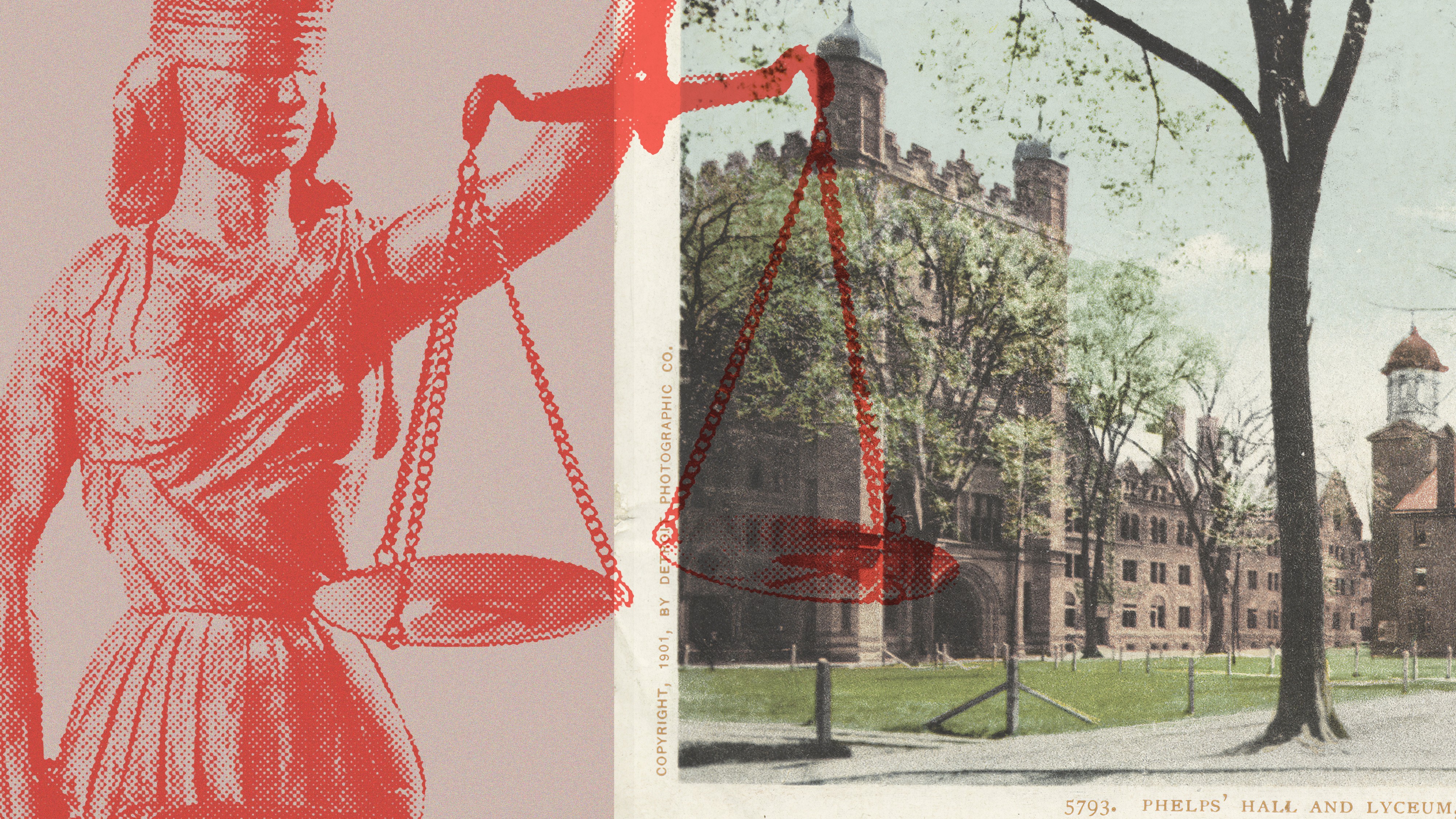
Forty-four years ago, a significant conservative legal convention emerged, offering disaffected students a nascent identity and a sense of hope that would fuel a burgeoning movement. This gathering, which can be considered the unofficial birthday of the modern conservative legal right, provided a crucial intellectual and organizational foundation for a generation of legal thinkers and activists. The convention served as a pivotal moment, coalescing disparate ideas and individuals into a more unified and potent force within the legal landscape. Its impact has been profound, influencing legal scholarship, judicial appointments, and the broader interpretation of law in the United States over the subsequent decades. The attendees and organizers of this early convention laid the groundwork for institutions and networks that continue to shape legal discourse and policy today. The principles discussed and the connections forged during this period have demonstrably influenced the trajectory of legal conservatism, impacting everything from constitutional law to regulatory policy. The convention's legacy is evident in the sustained influence of conservative legal thought on the judiciary and in public policy debates. It provided a counter-narrative to prevailing liberal legal orthodoxies, offering a distinct framework for understanding and applying legal principles. The long-term consequences of this foundational event continue to unfold, underscoring its historical significance. The convention's success in galvanizing a movement and providing a clear ideological direction has been a key factor in the conservative legal right's enduring presence and influence in American legal and political life. The event fostered a sense of community and shared purpose among participants, many of whom would go on to hold influential positions in academia, government, and the judiciary. This network effect was critical in disseminating conservative legal ideas and recruiting new adherents. The convention's focus on specific legal theories and constitutional interpretations provided a tangible agenda that resonated with students and young professionals seeking an alternative to existing legal paradigms. The ideas championed at this gathering have since been institutionalized in various think tanks, academic programs, and advocacy groups, ensuring their continued propagation and development. The convention's emphasis on originalism and textualism, among other jurisprudential approaches, has become a cornerstone of conservative legal thought. The long-term impact of this foundational event is a testament to its strategic importance in the development of a powerful and enduring intellectual and political movement. The convention's ability to provide a sense of belonging and intellectual validation for its participants was instrumental in its success. It offered a compelling vision of the law and its role in society that contrasted sharply with dominant progressive viewpoints. This foundational gathering, therefore, represents a critical juncture in the evolution of American legal thought and activism, marking the genesis of a movement that continues to shape legal and political discourse.
Original source — read the full reporting at the publisher:
Read on The AtlanticGet the weekly AI digest
AI news + new model releases, weekly. Drafted by our agents, reviewed by humans.