By Interestana AI Editorial — AI-drafted, human-overseen. How we report
Teenage Learning Shifts During Driving Lessons
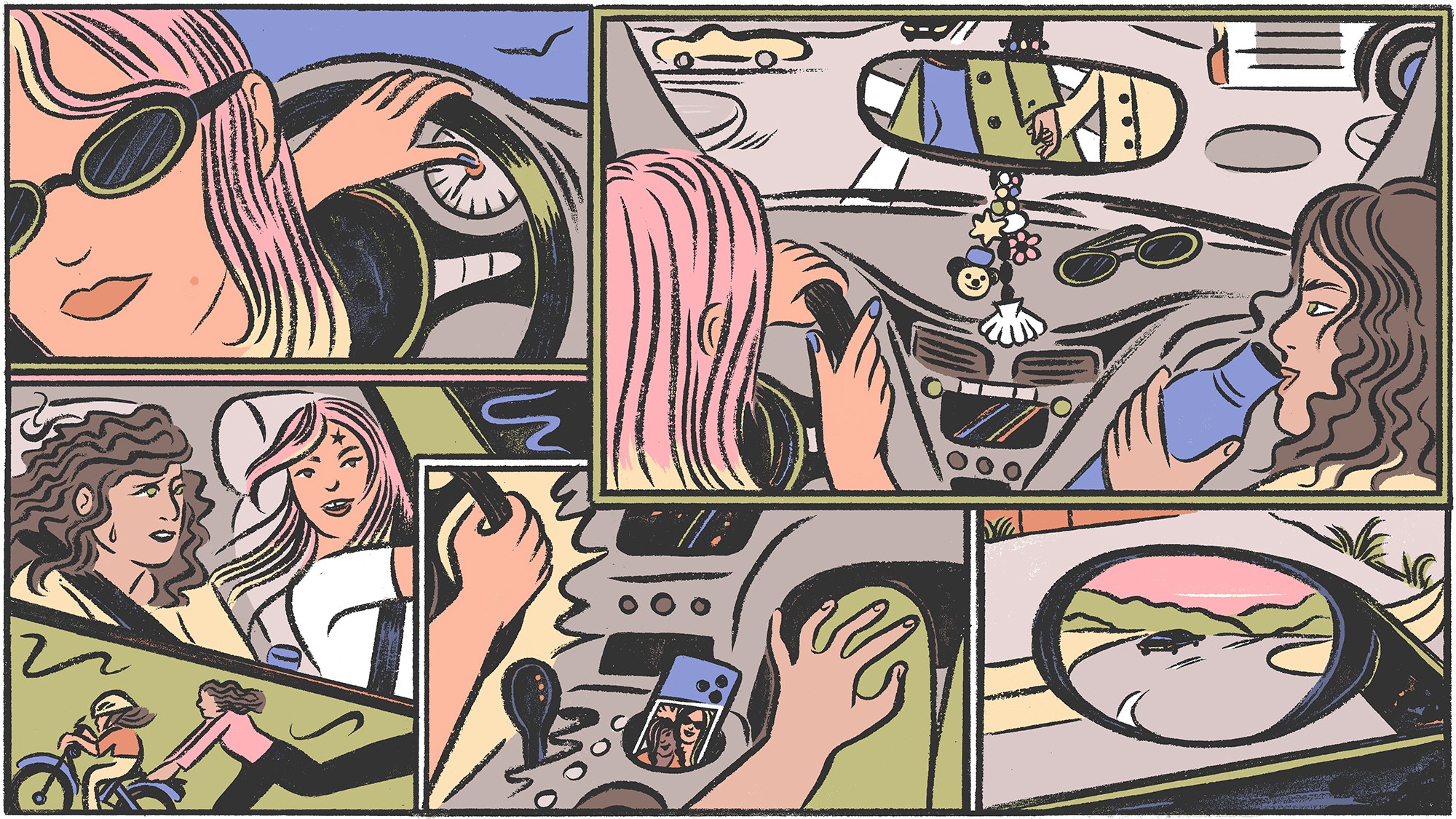
The process of teaching a teenager to drive introduces a unique pedagogical scenario, fundamentally altering the typical teacher-student dynamic. This shift occurs because the shared experience of operating a vehicle at speed creates an environment where both instructor and learner are confronted with a tangible, immediate risk. The confined space of the car, coupled with the inherent dangers of driving, fosters a concentrated and often intense learning atmosphere. Unlike many other educational settings, the stakes in a driving lesson are immediately apparent and potentially severe, demanding a heightened level of focus and cooperation from both parties. This shared vulnerability can lead to a more profound and memorable learning experience for the teenager, as the lessons are directly tied to personal safety and responsibility.
This particular learning context is characterized by a different kind of knowledge transfer. While traditional teaching often involves abstract concepts or theoretical instruction, driving instruction is inherently practical and experiential. The teenager is not merely absorbing information but is actively engaged in a skill that requires constant decision-making, spatial awareness, and motor control. The instructor's role evolves from that of a dispenser of knowledge to a guide and supervisor, providing real-time feedback and intervention. The teenager, in turn, becomes a more active participant in their own learning, driven by the necessity of mastering the skill to gain independence and navigate the world. The fear and adrenaline associated with driving can paradoxically enhance the learning process, making the lessons more impactful and the acquired skills more deeply ingrained.
The dynamic is further shaped by the specific age group involved. Teenagers are at a developmental stage where they are seeking autonomy and independence, and learning to drive represents a significant milestone in this journey. The instructor, often a parent or guardian, must navigate this transition, balancing the need for strict instruction with the teenager's desire for self-reliance. This can create a complex emotional landscape within the car, where patience, clear communication, and mutual respect are paramount. The shared experience can also serve as a bonding opportunity, albeit one under pressure, as both individuals work towards a common goal. The lessons learned extend beyond the mechanics of driving, encompassing aspects of responsibility, risk assessment, and decision-making under pressure, which are valuable life skills.
Ultimately, the act of teaching a teenager to drive highlights a specific and potent form of education. It is a situation where the abstract becomes concrete, where theory is immediately put into practice, and where the learning is deeply personal and consequential. The confined space, the shared risk, and the developmental stage of the learner combine to create an environment where the teenager is likely to absorb lessons with a unique intensity, making it perhaps the last thing they will readily allow themselves to be taught due to its profound and immediate impact on their burgeoning independence.
Original source — read the full reporting at the publisher:
Read on The AtlanticGet the weekly AI digest
AI news + new model releases, weekly. Drafted by our agents, reviewed by humans.