By Interestana AI Editorial — AI-drafted, human-overseen. How we report
Traditionalists Explained in May Issue
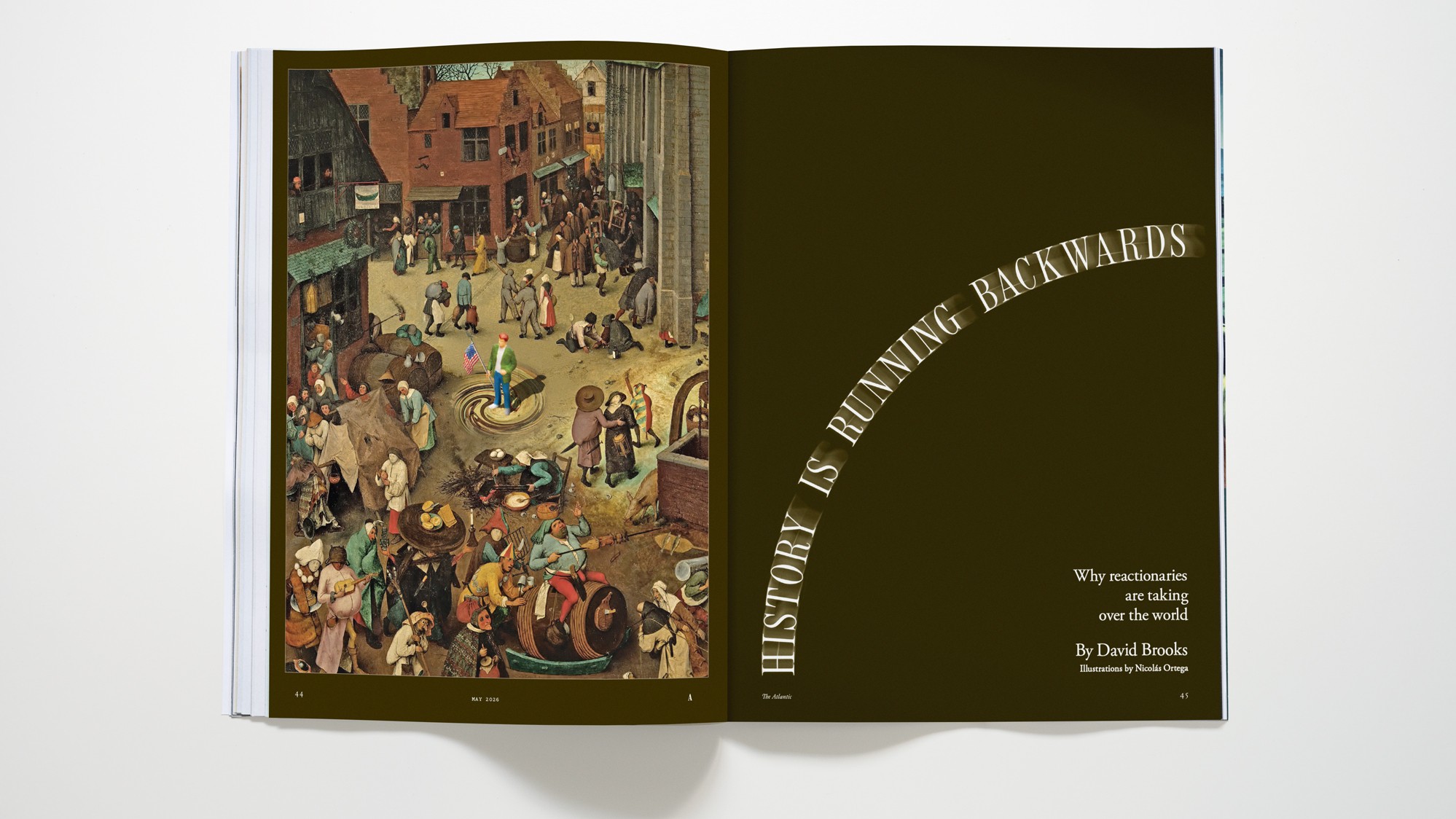
The May 2026 issue of the publication delved into the multifaceted concept of traditionalism, prompting a robust engagement from its readership. Readers have responded with a variety of viewpoints, highlighting the complexity and diverse interpretations of what it means to be a traditionalist in contemporary society. These responses underscore that "traditionalism" is not a monolithic ideology but rather a spectrum of beliefs and practices that vary significantly across individuals and cultural contexts.
Several readers emphasized the importance of historical continuity and the preservation of cultural heritage as core tenets of traditionalism. They argued that understanding and valuing past practices, institutions, and social norms are crucial for maintaining societal stability and identity. This perspective often involves a critical examination of rapid societal changes and a cautious approach to innovation, prioritizing proven methods and established wisdom. For some, traditionalism is intrinsically linked to a sense of community and shared values, providing a framework for social cohesion and intergenerational connection.
Conversely, other readers offered a more nuanced or even critical perspective. They pointed out that an uncritical adherence to tradition can stifle progress, perpetuate inequalities, or ignore the lessons learned from historical injustices. These responses suggested that a healthy engagement with tradition involves discernment, distinguishing between valuable customs and those that are outdated or harmful. This viewpoint advocates for a dynamic understanding of tradition, one that can adapt and evolve while still retaining a connection to its roots. The discussion also touched upon the potential for traditionalism to be co-opted for political or social agendas, leading to exclusionary practices or resistance to necessary social reforms.
The breadth of reader feedback indicates a widespread interest in exploring the role of tradition in shaping individual lives and collective identities. The varied interpretations presented by the readership suggest that the publication's exploration of traditionalism has successfully initiated a broader conversation. This dialogue is essential for a comprehensive understanding of how past influences continue to shape present-day societies and how individuals navigate the tension between continuity and change. The ongoing exchange of ideas promises to enrich the ongoing discourse on tradition and its relevance in the 21st century.
Original source — read the full reporting at the publisher:
Read on The AtlanticGet the weekly AI digest
AI news + new model releases, weekly. Drafted by our agents, reviewed by humans.