By Interestana AI Editorial — AI-drafted, human-overseen. How we report
Kennedy Center Declared Most Terrifying Building in America
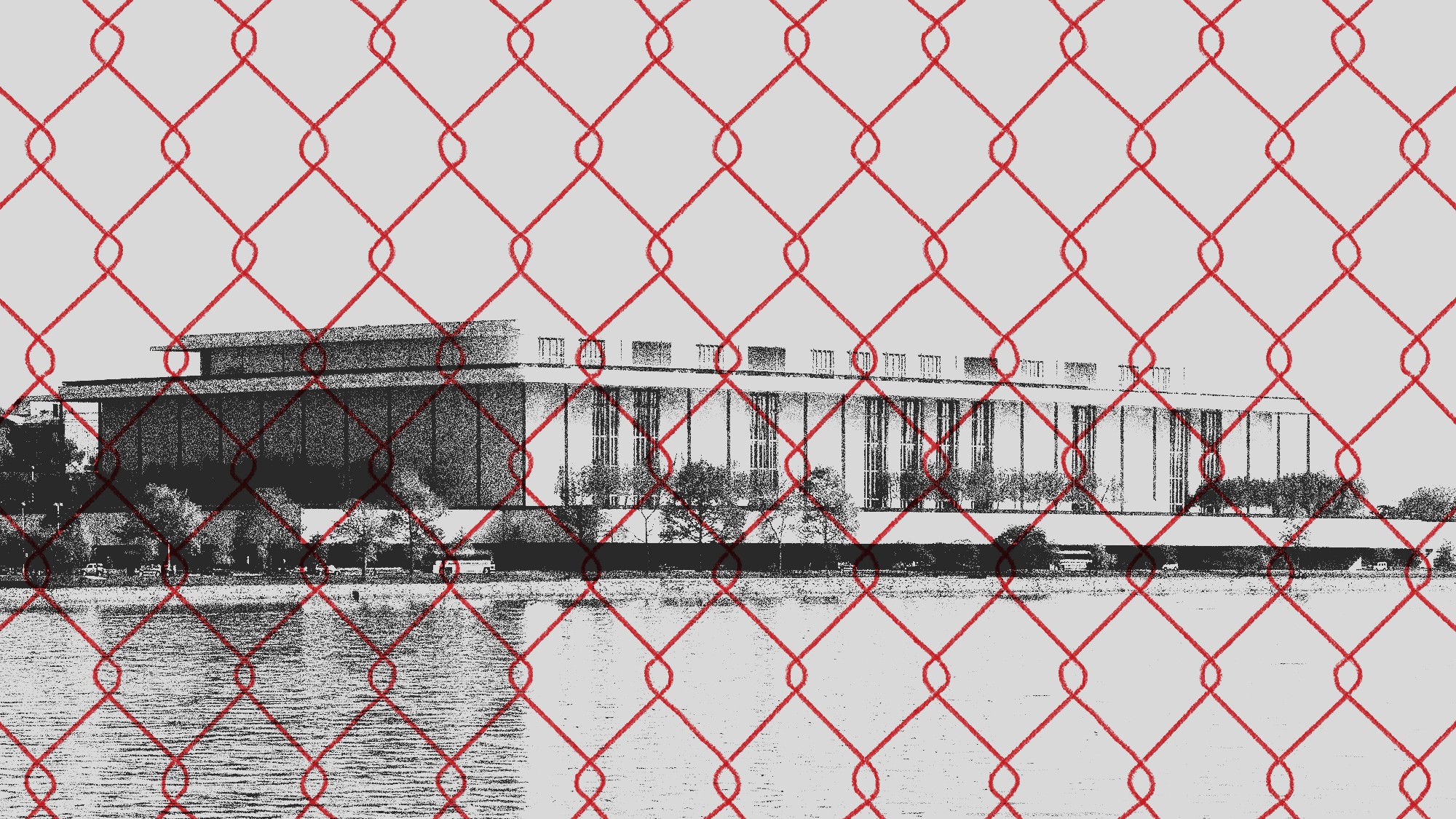
The John F. Kennedy Center for the Performing Arts, a prominent cultural institution located in Washington D.C., has been controversially designated as the "most terrifying building in America." This assertion, made by an unnamed source, centers on the building's perceived inherent dangers and its architectural characteristics. The critique suggests that the structure itself poses a significant risk, implying potential safety hazards or an unsettling atmosphere that contributes to this alarming label. The specific nature of these dangers is not detailed, leaving room for interpretation regarding structural integrity, security vulnerabilities, or even psychological impacts on visitors.
Beyond the safety concerns, the building's design is also cited as a contributing factor to its terrifying reputation. The Kennedy Center, designed by architect Edward Durell Stone, is known for its monumental scale and Brutalist-inspired elements, featuring extensive use of concrete and a distinctive, imposing facade. Critics of the building's architecture often point to its fortress-like appearance and its placement overlooking the Potomac River as elements that can evoke feelings of unease or intimidation. The vast, open spaces within, coupled with the sheer size of the structure, can also contribute to a sense of being overwhelmed or lost, which may be interpreted as terrifying by some.
The designation as the "most terrifying building" is a subjective assessment, and it stands in stark contrast to the Kennedy Center's intended purpose as a vibrant hub for the performing arts. It hosts a wide array of performances, including theater, opera, ballet, and orchestral music, and serves as a national center for artistic excellence. The building's iconic status and its role in American cultural life are well-established, making this critical assessment particularly striking. The critique does not appear to be based on any official safety reports or architectural reviews but rather on a qualitative, perhaps even visceral, reaction to the building's presence and design. The lack of specific evidence or supporting data for these claims means the assertion remains largely unsubstantiated, relying on opinion rather than verifiable fact. The implications of such a label, even if informal, could potentially impact public perception of the venue, though its continued popularity suggests that most visitors do not share this extreme view.
Original source — read the full reporting at the publisher:
Read on The AtlanticGet the weekly AI digest
AI news + new model releases, weekly. Drafted by our agents, reviewed by humans.