By Interestana AI Editorial — AI-drafted, human-overseen. How we report
Oil Tankers Earn Millions Daily Amid Iran War
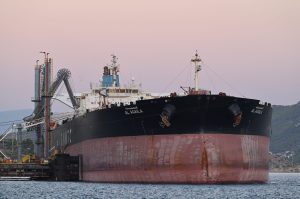
The global economy in 2026 has fostered a new class of "one-day millionaires," with businesses achieving seven-figure revenues in less than 24 hours. This phenomenon extends beyond the artificial intelligence sector, where companies like Anthropic are reportedly earning over $500 million monthly from a single client's usage of their Claude AI model, translating to nearly $17 million per day, according to one consultancy. A parallel surge in daily wealth creation is occurring among oil tanker operators willing to traverse the Strait of Hormuz, a vital maritime chokepoint, amidst the ongoing Iran war. The cost for a vessel to transport oil from the Persian Gulf to China, a route necessitating passage through the Strait, has surpassed $1.035 million per day, as indicated by data from the Baltic Exchange this week. This marks the first instance of the daily freight rate exceeding a million dollars. For context, a comparable large crude carrier transit from the Persian Gulf typically costs around $208,000 per day, according to the Platts VLCC index. Commercial shipping traffic through the Strait of Hormuz has seen a significant decline in the seventh month of the Iran war. However, the imperative to export oil from the Persian Gulf region remains high, contributing to oil prices exceeding $100 per barrel once again due to constrained supply. Ioannis Papadimitriou, principal freight analyst at Vortexa, explained to Fortune that these exceptionally high shipping costs are a direct consequence of both the inherent dangers associated with navigating the chokepoint and the critical demand for the commodity being transported. Papadimitriou emphasized that the escalating geopolitical risks and the potential for damage to vessels, referred to as "assets," are driving up shipping costs. This increase is attributed to the cycle of retaliatory attacks, including those initiated by the U.S. and attacks originating from Iran targeting ships. The escalating attacks in the region have made commercial ships prime targets, with two tankers reportedly being struck by projectiles in the Strait of Hormuz on Friday, according to a UK navy agency. The diminished number of freighters willing to transit the eastern side of the channel, where increased risks are present, further exacerbates the situation, driving up demand and prices for the limited available shipping capacity.
Original source — read the full reporting at the publisher:
Read on FortuneGet the weekly AI digest
AI news + new model releases, weekly. Drafted by our agents, reviewed by humans.