By Interestana AI Editorial — AI-drafted, human-overseen. How we report
Iran War Could Extend Into 2027 Amid Oil Flow Debate
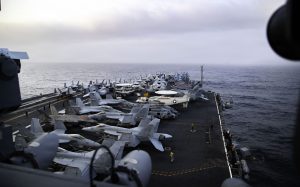
The potential duration of the conflict involving Iran is a subject of intense debate within the energy industry, with projections suggesting it could extend "deep into 2027." A central factor influencing these timelines is the actual volume of oil continuing to flow out of the Persian Gulf, particularly through the Strait of Hormuz. Iran has asserted that the strait is effectively closed and under its control, a waterway that previously facilitated the transit of 20 million barrels of oil daily before the commencement of hostilities initiated by the U.S. and Israel.
However, this narrative has been challenged by U.S. officials. Energy Secretary Chris Wright stated on X (formerly Twitter) on Friday that U.S. military efforts on Tuesday alone enabled the shipment of over 15 million barrels of oil and related products through the strait, with a seven-day average standing at 8 million barrels. When accounting for oil transported via pipelines, the total volume exiting the region approaches 20 million barrels. Furthermore, U.S. officials informed Axios that approximately 10 million barrels of oil per day are being rerouted through a U.S.-established corridor along Oman's coastline. This rerouting has been facilitated by a two-week period of U.S. airstrikes last month, which reportedly degraded Iran's radar and maritime surveillance capabilities. This degradation has allowed tankers to navigate the strait more discreetly at night, often with their transponders deactivated, enabling them to conduct shuttle operations and transfer oil to other vessels for delivery to customers.
Analysis from David Wech, chief economist at energy intelligence firm Vortexa, indicated to CNBC on Friday that the average daily oil flow over the past month has been between 6 million and 7 million barrels. He also noted that peak volumes, based on a seven-day moving average, have reached nearly 10 million barrels, with the highest single-day figure recorded at 14 million barrels. Regardless of the precise figures, the consensus is that substantial quantities of oil are still being exported from the region, indicating that the Strait of Hormuz is not entirely closed off as Iran claims. Despite these ongoing exports, a supply deficit persists, compelling consuming nations to draw down their strategic reserves, which are reportedly reaching critically low levels. The U.S. naval blockade is also preventing Iran from exporting its own oil, but the continued leakage of oil from the Gulf provides a buffer that extends the potential conflict timeline. The strategic importance of the Strait of Hormuz cannot be overstated, as it is a vital chokepoint for global energy supplies.
Original source — read the full reporting at the publisher:
Read on FortuneGet the weekly AI digest
AI news + new model releases, weekly. Drafted by our agents, reviewed by humans.