By Interestana AI Editorial — AI-drafted, human-overseen. How we report
ICE Officer Who Shot Man Lacked Body Camera
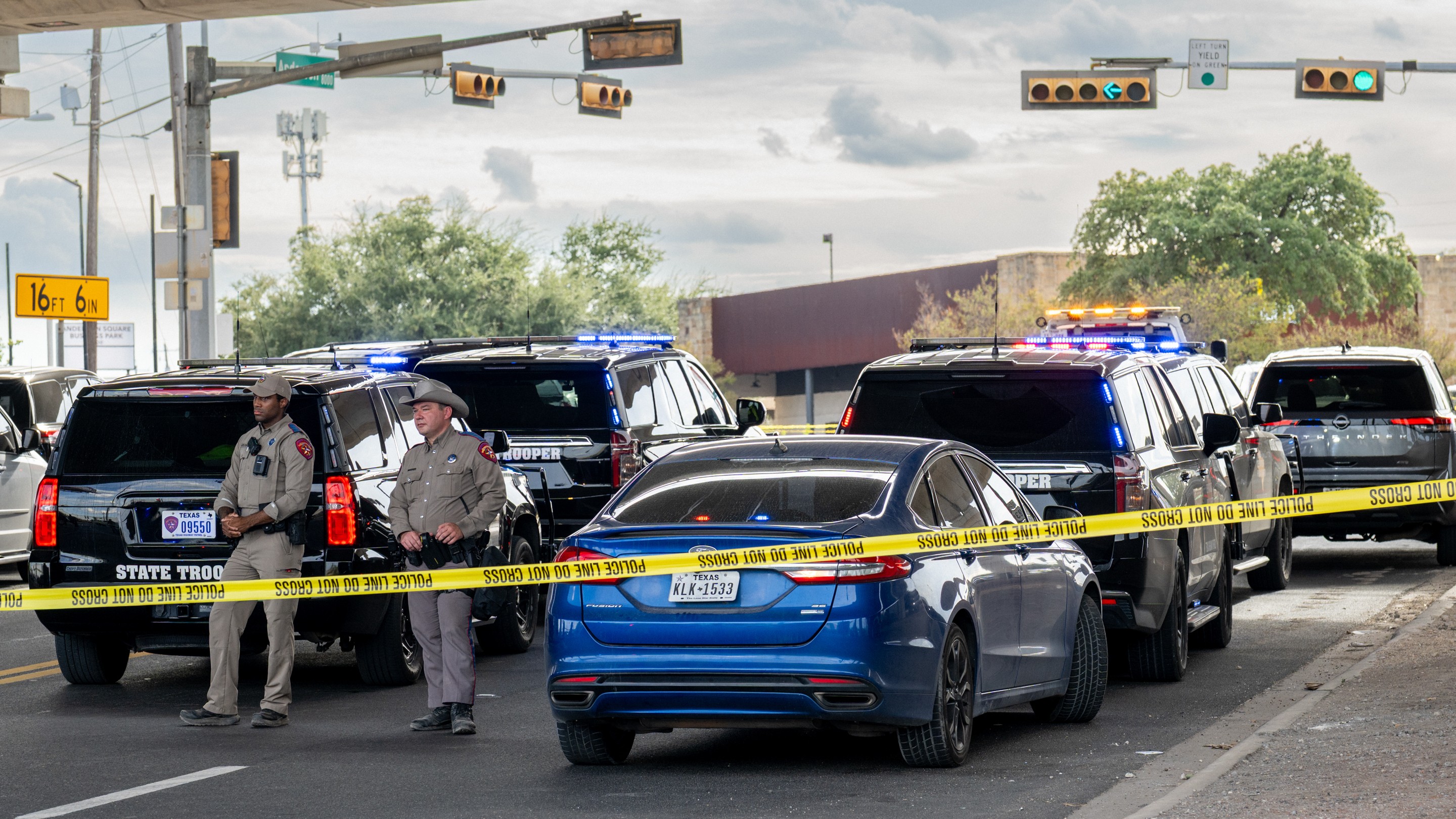
An Immigration and Customs Enforcement (ICE) officer involved in a fatal shooting in Austin, Texas, was not equipped with a body-worn camera at the time of the incident. The officer, identified as a recent hire from another federal law-enforcement agency, discharged their firearm during an encounter that resulted in the death of a Venezuelan national. The absence of body camera footage means that independent verification of the events leading up to and during the shooting is unavailable, potentially complicating investigations into the use of force. ICE has not yet released the name of the officer or the deceased individual. The incident occurred in Austin, a city that has seen an increase in federal law enforcement presence in recent years.
Details surrounding the specific circumstances of the shooting remain sparse. It is unclear what led to the encounter between the ICE officer and the Venezuelan man, or what actions preceded the officer discharging their weapon. Federal law enforcement agencies, including ICE, have been under scrutiny regarding their operational protocols and accountability measures. The use of body-worn cameras has become a standard practice for many police departments and federal agencies across the United States, aimed at enhancing transparency and providing objective records of interactions. The lack of such a recording in this instance raises questions about ICE's current policies regarding body camera deployment for its field officers, particularly those involved in sensitive operations.
The officer in question was reportedly hired by ICE last year. Their previous experience at another federal law-enforcement agency is noted, though the specific agency has not been disclosed. This hiring detail suggests a potential transfer of personnel and practices between federal entities. Investigations into the shooting are expected to be conducted by ICE's Office of Professional Responsibility and potentially other oversight bodies. The outcome of these investigations will be crucial in determining the sequence of events and whether the officer's actions were in line with departmental policy. The lack of body camera footage means investigators will likely rely on witness testimonies, dashcam footage from the officer's vehicle if available, and other circumstantial evidence.
This incident highlights ongoing debates about the necessity and effectiveness of body-worn cameras in federal law enforcement. Proponents argue that these devices provide an impartial account of encounters, protect both officers and the public, and can help de-escalate tense situations. Critics sometimes point to privacy concerns or the cost of implementation and data storage. However, in cases of alleged misconduct or use-of-force incidents, the absence of body camera footage is often seen as a significant impediment to accountability and public trust. The specific circumstances of this shooting in Austin, Texas, will likely be closely monitored as the investigation unfolds, with particular attention paid to how the lack of body camera footage impacts the process.
Original source — read the full reporting at the publisher:
Read on The AtlanticGet the weekly AI digest
AI news + new model releases, weekly. Drafted by our agents, reviewed by humans.