By Interestana AI Editorial — AI-drafted, human-overseen. How we report
Hyundai Ioniq 5 N Wheel Size Boosts Highway Range 12%
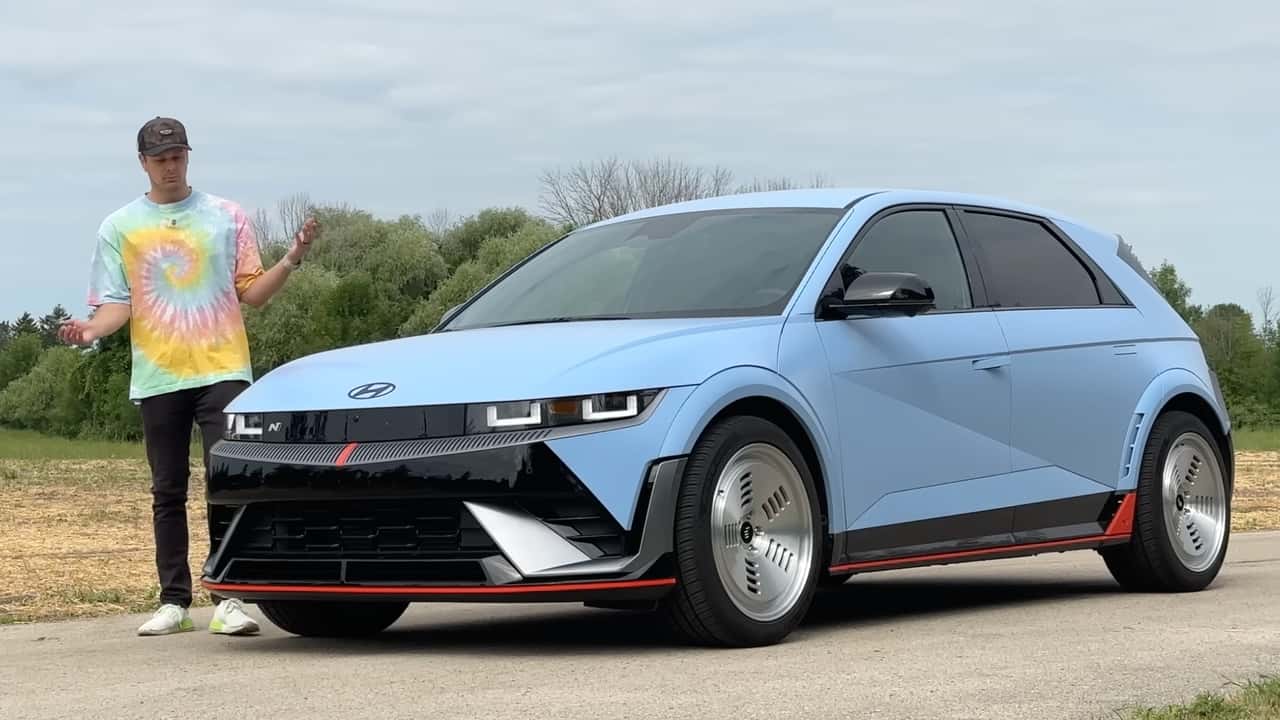
A Hyundai Ioniq 5 N owner has demonstrated that reducing the wheel size on the performance-oriented electric vehicle can substantially improve its highway driving range. This modification resulted in a 12% increase in efficiency during highway travel, a notable improvement for an EV that has faced scrutiny regarding its range capabilities. The owner's findings, shared through their experiences, highlight a practical solution for mitigating the energy consumption associated with larger, performance-focused wheel and tire setups common on high-performance electric cars.
The Ioniq 5 N, launched by Hyundai's N performance division, is designed for exhilarating driving dynamics, often incorporating larger wheels and wider tires to enhance grip and handling. However, these components typically come with a trade-off in aerodynamic efficiency and increased rolling resistance, both of which negatively impact an electric vehicle's range, particularly at sustained highway speeds. The specific wheel and tire combination used by the owner, which led to the 12% efficiency gain, involved a downsize from the factory-fitted larger wheels to a smaller set. While the exact specifications of the new wheels and tires were not detailed in the initial report, the outcome clearly indicates a significant benefit.
This real-world test provides valuable data for Ioniq 5 N owners and potential buyers who prioritize range alongside performance. The 12% improvement suggests that the factory wheel and tire package may be a significant contributor to the vehicle's highway range limitations. For context, the Hyundai Ioniq 5 N is equipped with a dual-motor all-wheel-drive system producing up to 641 horsepower, enabling rapid acceleration. Its battery capacity is 84 kWh. While its performance metrics are impressive, its EPA-estimated range of 221 miles on the highway is considered modest compared to some other EVs in its class, especially given its premium price point. The owner's modification offers a tangible way to extend this range without compromising the vehicle's core performance characteristics, although it might affect the car's aesthetic appeal or ultimate cornering limits.
The broader implications of this finding extend to the electric vehicle market, where manufacturers constantly balance performance, efficiency, and design. Wheel and tire selection is a critical factor in this balance. The Ioniq 5 N's case underscores how seemingly minor changes in unsprung mass and rotational inertia, coupled with aerodynamic considerations of the wheel design itself, can have a measurable impact on energy consumption. This owner's initiative serves as a practical case study for other EV drivers facing similar range concerns, suggesting that exploring alternative wheel and tire options could be a viable strategy for optimizing efficiency. The success of this modification could also influence future design considerations by Hyundai or other automakers when developing performance EVs.
Original source — read the full reporting at the publisher:
Read on InsideEVsGet the weekly AI digest
AI news + new model releases, weekly. Drafted by our agents, reviewed by humans.