Bernardo de Gálvez: Revolutionary Hero's Modern Appeal
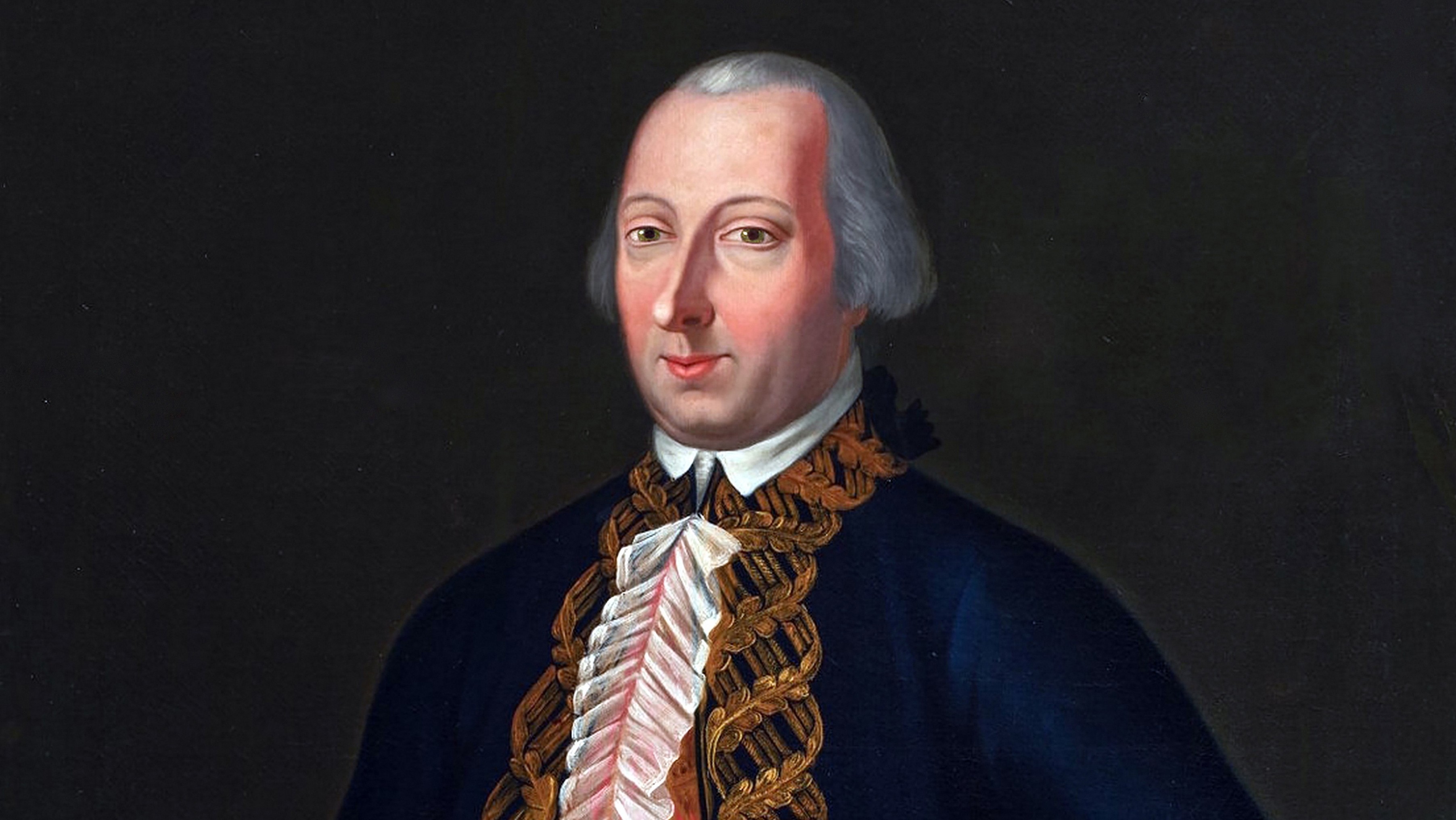
Bernardo de Gálvez, a pivotal Hispanic figure in the American Revolutionary War, is being re-examined for his contributions and potential appeal in 21st-century America. Gálvez, a Spanish military leader and governor of Louisiana and Cuba, played a critical role in supporting the American cause against the British. His strategic actions, including military campaigns and financial aid, significantly weakened British forces in the Southern theater, indirectly aiding General George Washington's efforts.
In 1779, Gálvez initiated a series of military offensives against British outposts along the Gulf Coast. He successfully captured key locations such as Fort Bute, Baton Rouge, and Natchez in 1779, followed by the crucial siege and capture of Pensacola in 1781. These victories not only secured Spanish control over vital territories but also disrupted British supply lines and diverted British military resources away from the main Continental Army. His efforts were instrumental in securing the southern border of the newly formed United States and contributed to the eventual American victory.
Beyond his military achievements, Gálvez was also a significant administrator and diplomat. As governor, he implemented policies that fostered trade and economic development in the region, including the port of New Orleans, which became a vital hub for American commerce. He also demonstrated a commitment to religious tolerance and supported various communities within his jurisdiction. His actions highlight a complex historical figure whose influence extended beyond the battlefield.
The renewed interest in Gálvez comes at a time when discussions about historical representation and the contributions of diverse groups to American history are prominent. His story offers a compelling narrative of alliance, strategic brilliance, and the often-overlooked role of Spanish and Hispanic individuals in the founding of the United States. Examining his legacy today invites a broader understanding of the nation's origins and the multifaceted nature of its historical development.
Original source — read the full reporting at the publisher:
Read on The Atlantic