By Interestana AI Editorial — AI-drafted, human-overseen. How we report
San Francisco AI Boom Fuels Economic Revival Amid Affordability Concerns
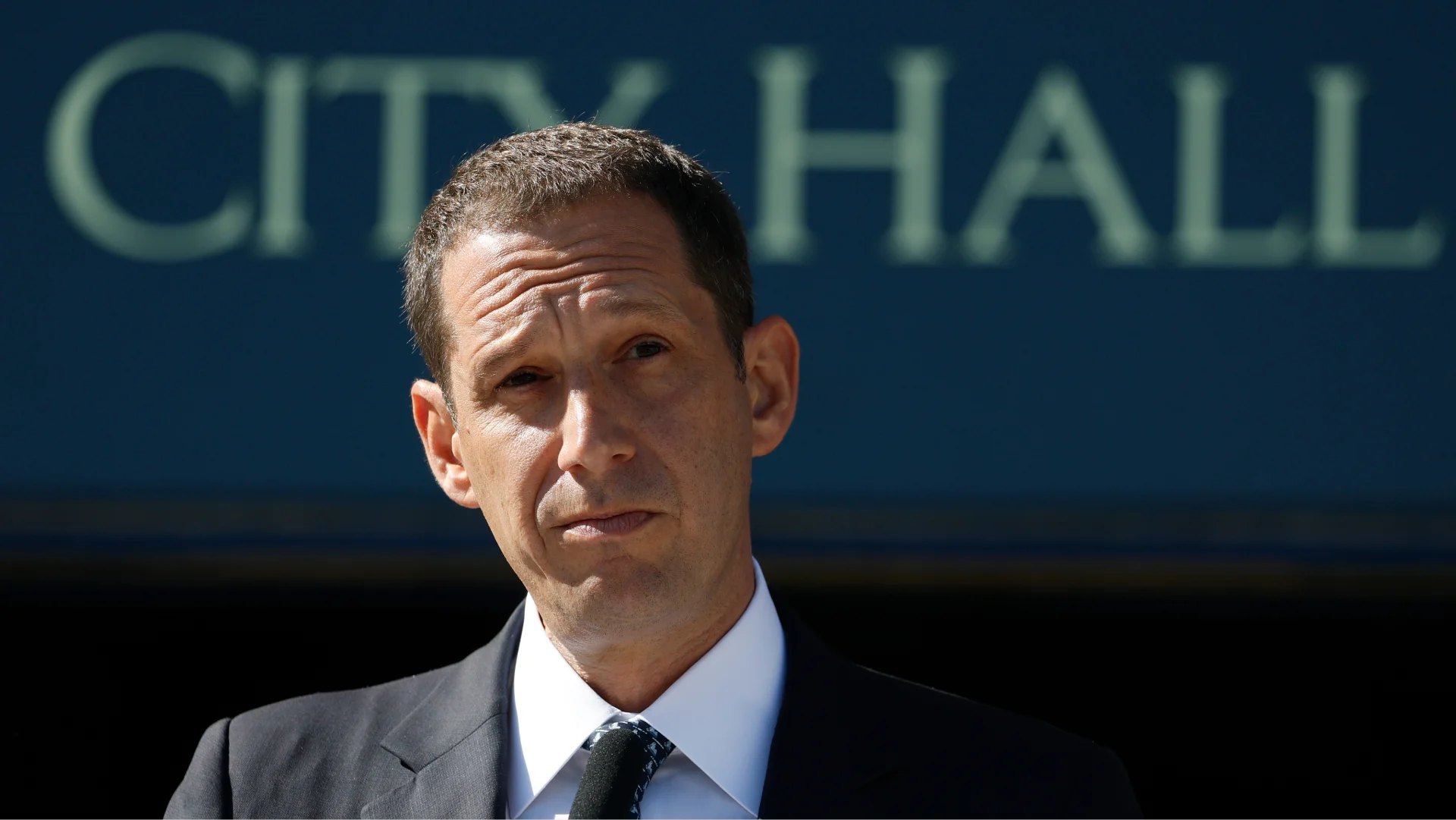
San Francisco is experiencing a notable economic resurgence, largely attributed to the burgeoning artificial intelligence (AI) industry. This boom has generated widespread optimism about the city's future, with new businesses and investments pouring into the region. The influx of AI companies and talent has revitalized commercial districts and created new job opportunities, signaling a potential return to the city's pre-pandemic economic vibrancy. However, this rapid growth is also exacerbating existing challenges, particularly concerning housing affordability. The increased demand for housing, driven by higher-paying tech jobs, is pushing rental prices and home values to unprecedented levels, making it increasingly difficult for many residents, including essential workers and long-time community members, to afford to live in the city. Mayor Daniel Lurie has publicly acknowledged these concerns, stating, "We have to make it more affordable." This sentiment highlights a growing tension between economic prosperity and social equity, prompting discussions about how to ensure the benefits of the AI boom are shared more broadly across the population. The city is now grappling with the complex task of balancing innovation and economic development with the need to maintain a diverse and inclusive community. Strategies being considered include potential policy interventions aimed at increasing housing supply, providing rental assistance, and supporting affordable housing initiatives. The success of San Francisco's economic revival may ultimately depend on its ability to address these critical affordability issues, ensuring that the city remains a viable and welcoming place for all its residents, not just those in the high-earning tech sector. The current economic landscape in San Francisco is characterized by a dual narrative: one of technological advancement and economic growth, and another of increasing socio-economic disparity. The concentration of AI companies and venture capital funding in the city has created a powerful engine for job creation and innovation. This has led to a significant increase in commercial real estate activity and a renewed sense of entrepreneurial energy. However, the economic gains are not being distributed evenly. The cost of living, particularly housing, has become a major barrier for many. The median rent for a one-bedroom apartment in San Francisco has surged, and the median home price continues to climb, far outpacing wage growth for many professions. This situation raises questions about the long-term sustainability of the city's economic model and its capacity to support a diverse population. The city's leadership is under pressure to implement policies that can mitigate the negative consequences of rapid economic expansion. This includes exploring zoning reforms to allow for denser housing development, incentivizing the construction of affordable housing units, and potentially implementing measures to curb speculative real estate practices. The challenge lies in finding solutions that do not stifle innovation or deter investment, while simultaneously protecting the affordability and livability of the city for its residents. The narrative of San Francisco's AI boom is therefore one of both opportunity and significant challenge, demanding careful consideration and proactive policy-making to ensure a more equitable future.
Original source — read the full reporting at the publisher:
Read on Inc.Get the weekly AI digest
AI news + new model releases, weekly. Drafted by our agents, reviewed by humans.