Literary Classics Appeal to Primal Instincts and Intellect
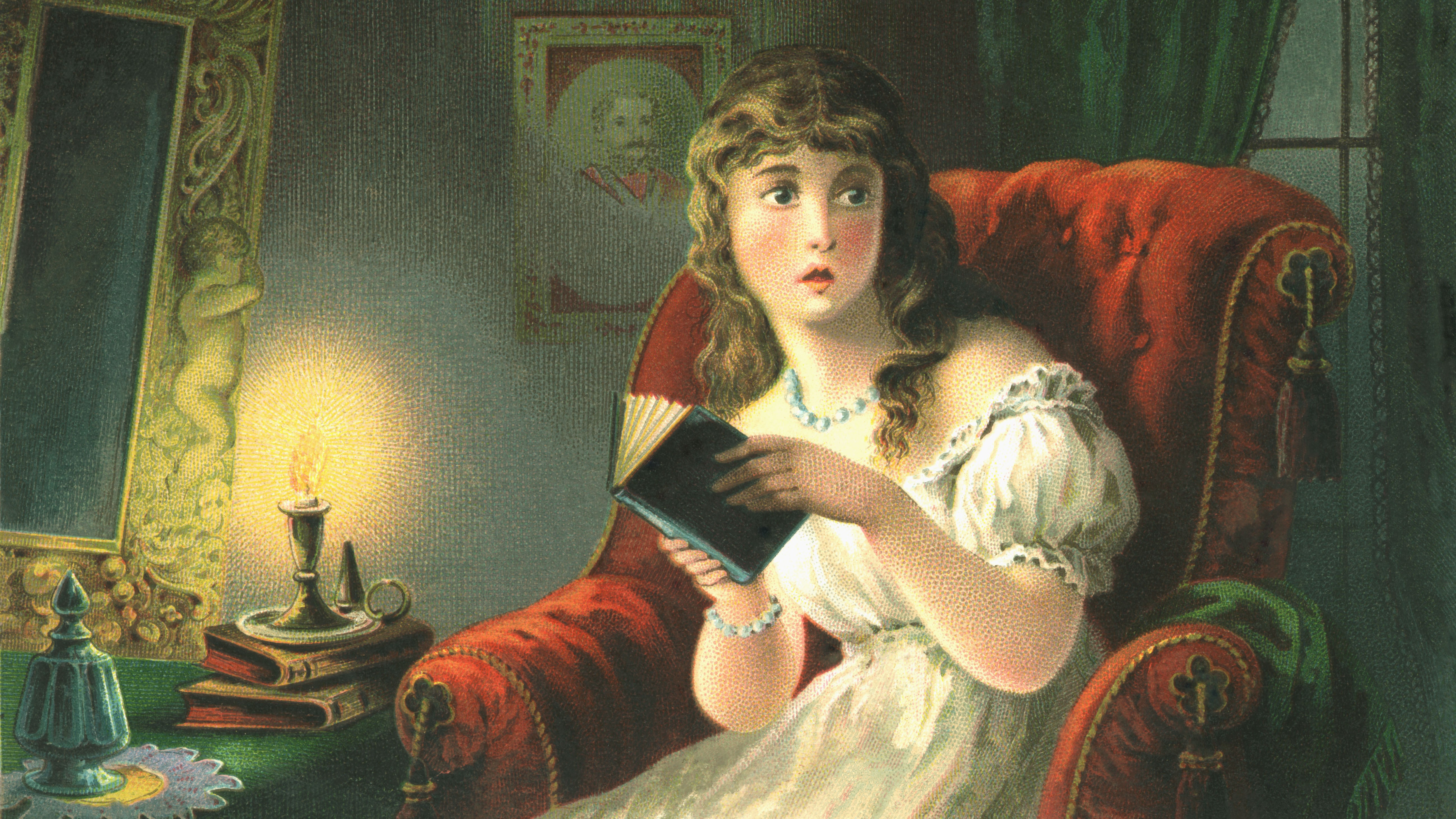
Many literary classics possess a dual appeal, simultaneously engaging readers' primal instincts and prompting intellectual reflection on the nature of that engagement. This phenomenon is described by the "Have It Both Ways" theory, which suggests that great books often provide visceral, instinctual satisfaction while also encouraging deeper, more complex thought processes. The theory posits that this combination is key to a work's enduring power and its ability to resonate across generations.
This dual engagement means that readers can experience immediate, almost subconscious reactions to a story's plot, characters, or emotional arcs. Simultaneously, these same readers are invited to analyze why they are reacting in such a way, questioning the underlying mechanisms of storytelling and their own psychological responses. This creates a dynamic where the reader is both passively absorbed and actively critical, a balance that contributes to the richness of the literary experience.
The "Have It Both Ways" theory highlights how authors can masterfully craft narratives that satisfy immediate desires for entertainment or emotional catharsis while also embedding layers of meaning, social commentary, or philosophical inquiry. This allows a book to be enjoyed on multiple levels, catering to different readerly intentions and cognitive capacities. The enduring appeal of many classic texts, from ancient epics to modern novels, can be attributed to this sophisticated interplay between instinct and intellect.
Ultimately, the theory suggests that the most impactful literature does not force a choice between simple pleasure and profound thought. Instead, it artfully weaves them together, creating a compelling and intellectually stimulating experience that leaves a lasting impression. This approach allows readers to "have it both ways," deriving both immediate gratification and long-term intellectual enrichment from the same text.
Original source — read the full reporting at the publisher:
Read on The Atlantic