By Interestana AI Editorial — AI-drafted, human-overseen. How we report
The Unseen Wound: Antisemitism's Corrosive Impact on American Politics
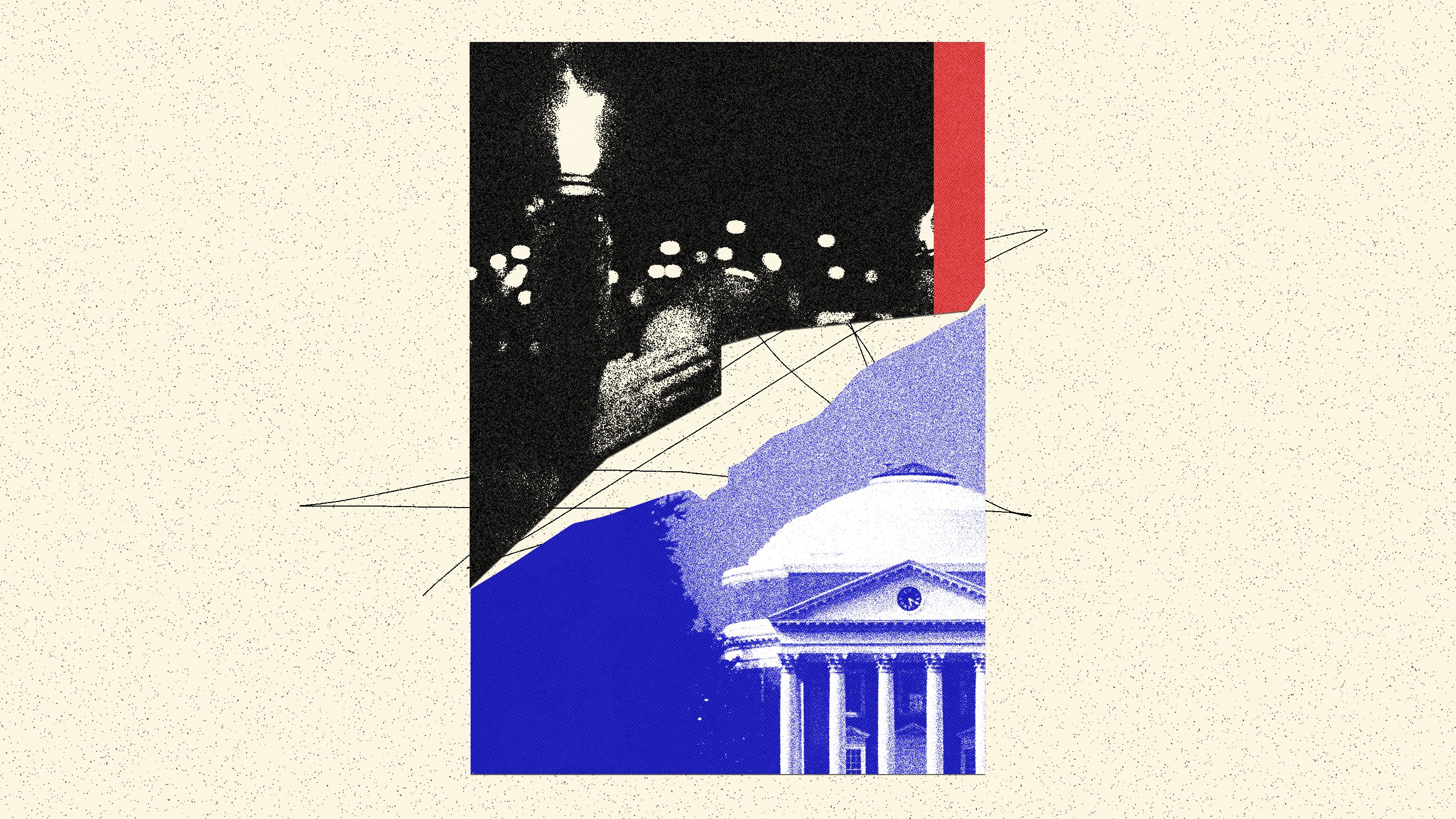
The deep fissures within American politics are significantly exacerbated by antisemitism, a pervasive form of hatred that, unlike more visible racial tensions, often remains unacknowledged. While race is frequently identified as the primary driver of societal fractures, the insidious currents of anti-Jewish sentiment exert a similarly corrosive influence on political discourse and national cohesion. This particular brand of animosity operates with a subtler, more embedded nature than overt racial animosities, frequently manifesting within conspiracy theories, political rhetoric, and cultural narratives that prove challenging to detect and confront directly.
The historical trajectory of antisemitism in the United States demonstrates a long and evolving presence, transitioning from overt forms of discrimination to more insidious manifestations of prejudice. Within the political landscape, this translates into the deployment of harmful tropes and stereotypes designed to demonize Jewish individuals and institutions. These narratives often falsely link Jewish people to global conspiracies or to an undue, clandestine influence over societal affairs. Such rhetoric possesses the potent ability to polarize communities, alienate segments of the electorate, and cultivate an environment where genuine political debate is supplanted by pervasive suspicion and animosity. The inherent difficulty in effectively combating antisemitism arises, in part, from its capacity to masquerade as legitimate political critique or as an integral component of broader ideological movements. This ambiguity makes it a formidable challenge for both the general public and political leaders to accurately identify and unequivocally condemn.
Furthermore, the complex intersection of antisemitism with other forms of prejudice, including racism and xenophobia, significantly complicates efforts to eradicate it. When antisemitic ideas are amplified through digital platforms such as social media, or when they are echoed by prominent public figures, they can gain considerable traction and contribute to a wider climate of intolerance. This can lead to tangible consequences, influencing voting patterns, shaping the contours of policy debates, and, in the most extreme cases, contributing to acts of violence. The persistent lack of widespread public acknowledgment and the absence of robust, bipartisan political action against antisemitism allow these damaging sentiments to fester and deepen, thereby exacerbating existing political divides and hindering the nation's progress toward a more unified and equitable society. Effectively addressing this multifaceted issue necessitates a concerted and sustained effort encompassing public education, the promotion of open and honest dialogue, and the rigorous accountability of all individuals who perpetuate anti-Jewish hatred, irrespective of their political affiliation or the platform they occupy.
Original source — read the full reporting at the publisher:
Read on The AtlanticGet the weekly AI digest
AI news + new model releases, weekly. Drafted by our agents, reviewed by humans.